What is a Gravel Bike? Core Features & 2026 Updates
Defining Gravel Bikes: The Hybrid DNA Explained
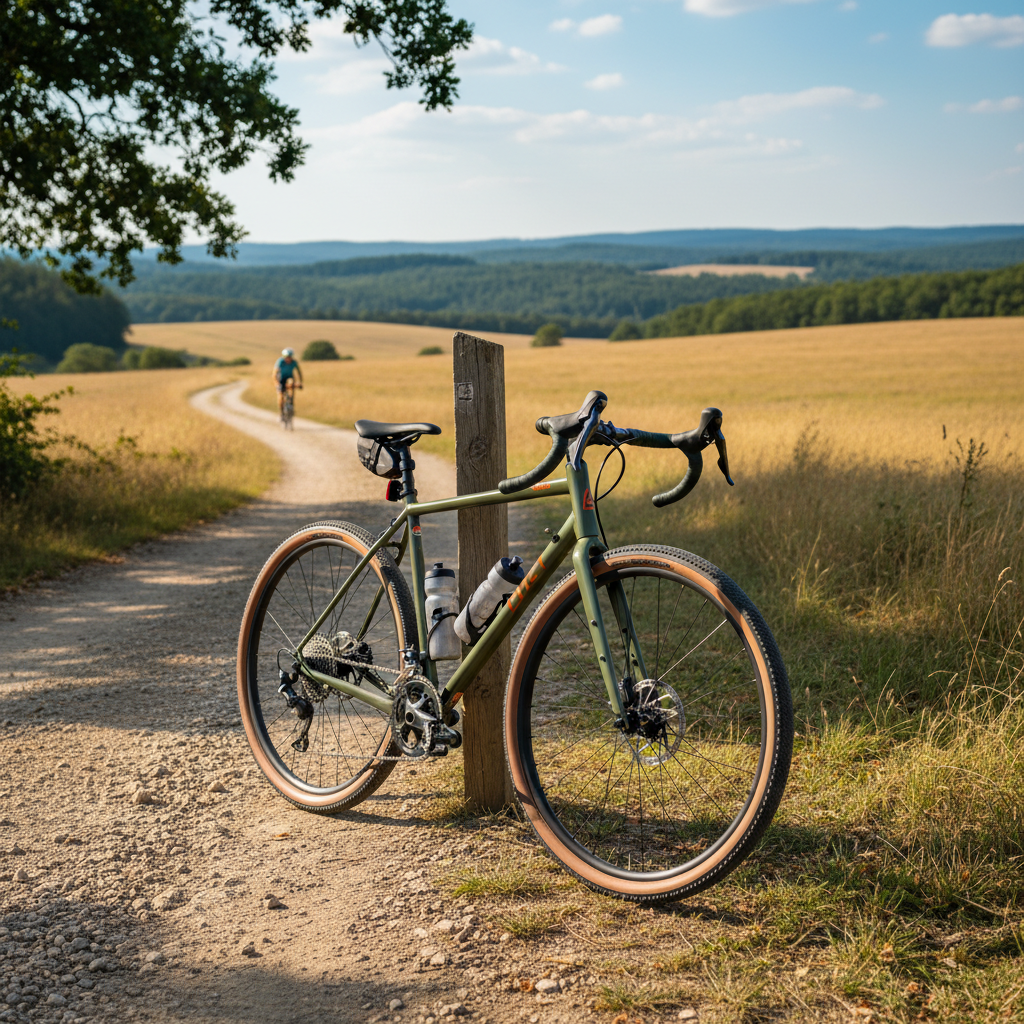
A gravel bike is a special kind of bike made to ride on many surfaces. It mixes features from road bikes and mountain bikes. This creates a bike that is fast on roads but strong and stable on rough paths like dirt or gravel. Gravel bikes have wide tires, strong frames, and comfortable shapes. In 2026, these bikes are even better with lighter frames and smarter, smoother gears.
Key Differences from Road & Mountain Bikes
Gravel bikes are different from road bikes because they have bigger tires and can handle rough trails. Road bikes are only for smooth roads. Mountain bikes are strong but heavy, and they ride best on rough trails. Gravel bikes are lighter than mountain bikes and more comfortable than road bikes while still being able to travel on gravel and dirt.
2026 Innovations in Gravel Bike Design
- Lightweight carbon and aluminum frames for easy riding and carrying.
- Wide-range gears for steep hills and fast flat roads.
- Tubeless tires to avoid flat tires on rocky roads.
- Better brakes (disc brakes) for more control in rain and mud.
- Mounts for bags and water bottles for long trips or adventure rides.
Why Choose a Gravel Bike? Real-World Advantages
Versatility for Mixed Terrain Adventures
Gravel bikes are good for city streets, country roads, forest trails, and rocky dirt paths. If you want to explore new places or commute to school or work, you can use this one bike.
Comfort, Safety, and All-Season Reliability
The relaxed design and wide tires make gravel bikes more comfortable than most bikes, especially over bumps and rough ground. They work well in sunny, rainy, or even snowy weather. Strong brakes and thick tires help keep you safe by stopping quickly and not slipping.
How to Transition to a Gravel Bike from Road or MTB
Step-by-Step: Making the Move from Road Bike
- Test a gravel bike at a local shop or borrow one from a friend.
- Notice the wider tires and higher handlebars, which make rides smoother and easier on rough ground.
- Start with easy gravel or dirt paths before trying rougher trails.
- Slowly increase your adventure as you get used to the new feel.
Switching from Mountain to Gravel: What to Expect
- Know that gravel bikes feel faster on roads but less “bouncy” on very rough paths.
- Practice smooth, quick steering and pedaling on mixed terrain.
- Learn to use the smaller, lighter frame for faster movement and climbing hills.
Skills Transfer & Technique Tweaks for New Riders
- Keep your weight balanced and look ahead on the trail, not just down.
- Use your brakes early and gently on loose ground.
- Shift gears before a big hill or rough section.
- Ride in a relaxed, upright position to stay comfortable on long rides.
Preparing for Your First Gravel Ride: A Practical How-To
Route Planning for Your Initial Adventure
- Choose a short route with mixed terrain—part pavement, part gravel road.
- Plan to avoid busy roads; look for local parks or bike trails.
- Use mapping apps or ask bike shops for safe beginner routes.
Must-Have Gear and What to Pack
- Helmet and gloves for protection.
- Water bottle and snacks for energy.
- Repair kit: spare tube, tire levers, pump, and multi-tool.
- Weather-appropriate clothes and a small first aid kit.
Ride Checklist: Pre-Ride Bike & Safety Inspection
- Check tire pressure and look for any cuts in the tires.
- Make sure brakes work well and gears move smoothly.
- Wiggle wheels and handlebars to check for tightness.
- Test lights and reflectors for visibility.
Setting Up Your Gravel Bike: Beginner Hands-On Guide
Essential Bike Fit and Positioning for Comfort
- Adjust seat height so your leg is almost straight at the bottom of each pedal turn.
- Change handlebar angle so you can reach them easily without stretching.
- Set saddle position so you feel stable and balanced while riding.
Tire Choice, Pressures & Tubeless Tips
- Choose tire width (35-45mm) for more grip and comfort on rough trails.
- Set tire pressure lower for soft ground and higher for hard ground (ask your shop for help if unsure).
- Consider tubeless tires to reduce risk of flats—these don’t have inner tubes and can “self-heal” small holes.
Adjusting Gearing for Mixed Terrain
- Set easy gears for climbing hills and tough terrain.
- Use harder gears for flat and fast sections.
- Practice shifting while pedaling smoothly, not with too much force.
How to Ride a Gravel Bike: Skills & Pro Techniques
Handling Loose Surfaces and Rough Roads
- Relax your grip; let the bike move under you, don’t fight the bumps.
- Keep your eyes ahead to pick the smoothest path.
- Shift your weight back on steep descents for control.
Climbing, Descending, and Cornering Safely
- Sit and pedal smoothly up hills to keep your rear wheel gripping.
- Slow down before sharp turns, especially on loose gravel.
- Keep pedals level and lean slightly into corners for balance.
Avoiding Common Beginner Mistakes
- Don’t over-inflate your tires—this makes the bike bumpy and less safe on gravel.
- Don’t brake too hard; instead, use both brakes gently on loose ground.
- Practice shifting gears before you need them—don’t wait until it’s too late.
Choosing the Right Gravel Bike in 2026: Buyer’s Checklist
Key Specs and Features to Consider
- Frame size: Try before you buy for the best fit.
- Tire size: Wider tires for trails, narrower for city rides.
- Type of brakes: Disc brakes are safer and stronger on gravel.
- Mounts for racks, bags, or water bottles if you plan to travel or carry things.
Which Frame Material is Right for You?
| Material | Pros | Cons |
|---|---|---|
| Aluminum | Light, affordable, strong | Can feel stiff over bumps |
| Carbon | Very light, smooth ride | Higher price |
| Steel | Comfortable, durable, classic look | Heavier |
| Titanium | Best comfort, never rusts | Very expensive |
Budget Models vs. High-End Options
- Beginner gravel bikes are often under $1500 and work well for most people.
- High-end options offer lighter frames, better parts, and extra features but cost more.
- Choose a bike that matches your needs and riding plans—test ride before buying if possible.
Real-World Gravel: Use Cases & Inspirational Stories
Commuting, Touring, and Adventure Racing
Gravel bikes are perfect for daily travel to school or work. They are fast on roads and safe on rough paths. Many people use gravel bikes for touring (long bike trips with bags) and adventure racing, which mixes roads and trails in one race.
Rider Testimonials: My First Gravel Experience
“I used to only ride on roads but wanted to try trail riding. My new gravel bike let me go on dirt roads and explore the countryside. It was comfortable, safe, and made cycling much more fun!”
“Switching from a mountain bike was easy. The gravel bike feels lighter and is just as strong. I now use it for commuting and weekend adventures.”
FAQ: Common Questions About Gravel Bikes
- Is a gravel bike good for beginners? Yes, they are easy to ride and safe for new riders.
- Can I ride a gravel bike on the road? Yes, they work well on both roads and trails.
- What gear do I need for my first gravel ride? Helmet, water, repair kit, and weather-appropriate clothing.
- Are gravel bikes expensive? There are many affordable options. Spend what fits your budget and needs.
- Do I need special skills for gravel riding? Basic bike skills are enough to start. You will learn new techniques over time.
Resources & Next Steps for Gravel Bike Beginners
- Find local bike shops for test rides and help with choosing the right model.
- Join beginner gravel riding groups or online forums for advice and new friends.
- Use safety checklists and practice basic bike repair before big rides.
- Read websites and watch videos about gravel riding to keep learning new tips.
Gravel bikes are the best way for beginners to try cycling on new terrain, improve fitness, and have fun outdoors. With the right set-up and practice, anyone can start gravel riding and enjoy many new adventures. Remember to start slow, plan your rides, and ask for help when needed. Enjoy your gravel bike journey!