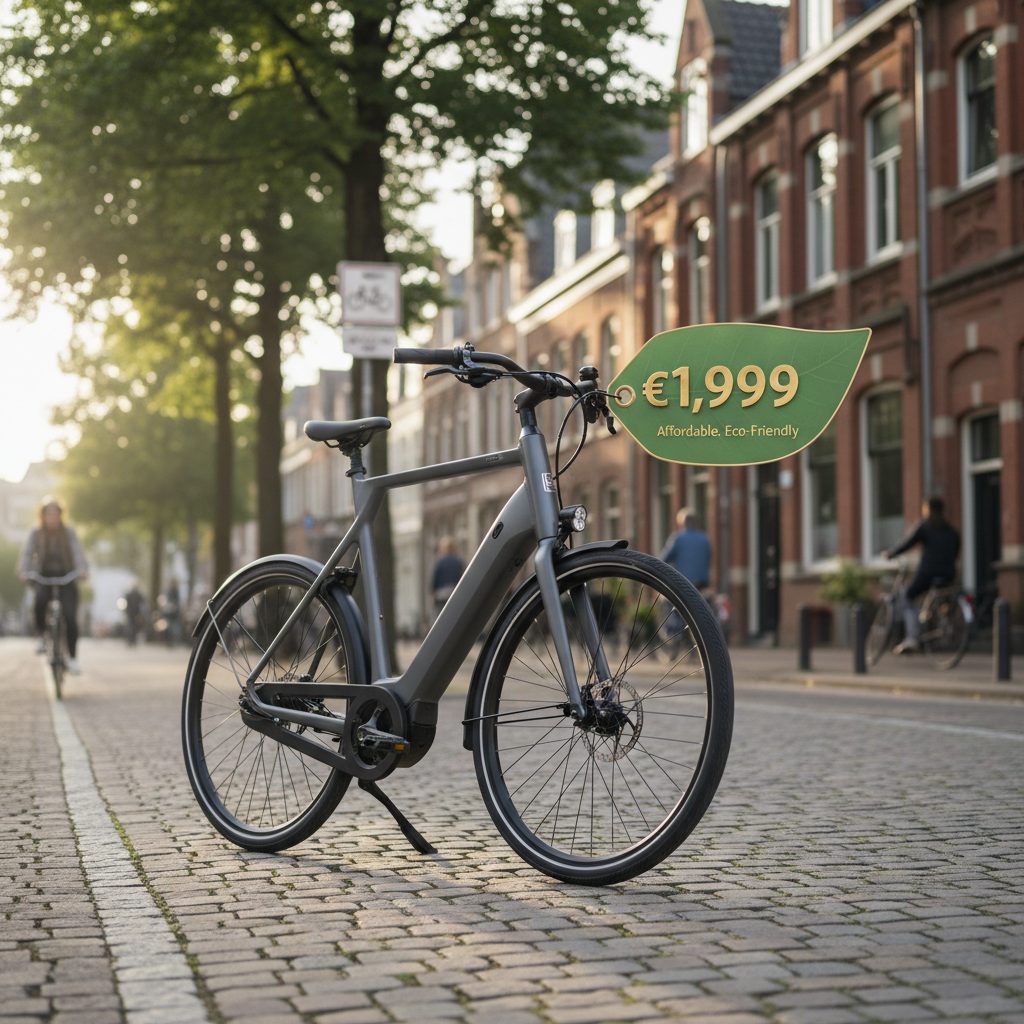
Quick Comparison – E-Bike Prices at a Glance (2026)
E-Bike Price Comparison Table: Models, Features & Price Ranges
| Category | Top Model (2026) | Key Features | Price Range (USD) | Real-World Test Range (mi) |
|---|---|---|---|---|
| Affordable | Lectric XP Lite 2.0 | Hub motor, basic LCD, 48V battery | $799 – $999 | 20-40 |
| Commuter | Ride1Up 700 Series | Hydraulic brakes, 750W motor, comfort saddle | $1,150 – $1,499 | 30-50 |
| Fat Tire | Aventon Aventure 2 | Torque sensor, 4” fat tires, fenders | $1,799 – $2,299 | 35-55 |
| Folding | RadExpand 5 | Folds in 10s, 750W motor, integrated rack | $1,299 – $1,599 | 25-45 |
| Cargo | Tern GSD S10 | Bosch motor, dual battery, haul 200kg | $3,999 – $5,999 | 40-110 |
| Long-Range | Juiced HyperScrambler 2 | Dual batteries, 1000W motor, GPS | $2,699 – $3,499 | 60-100 |
| Lightweight | Trek FX+ 2 | Carbon fork, 18kg, discreet battery | $1,999 – $2,299 | 25-40 |
| Off-Road | Specialized Turbo Tero | Mid-drive, 90Nm torque, suspension fork | $3,500 – $5,000 | 40-70 |
| Urban | Cannondale Adventure Neo 4 | Bosch drive, step-thru, lights, rack | $2,350 – $2,800 | 40-65 |
| Women | Liv Thrive E+ EX | Step-thru, ergonomic touchpoints | $2,100 – $2,600 | 30-50 |
| All-Terrain | Himiway Cobra Pro | 1000W mid-drive, full suspension | $2,599 – $2,899 | 50-70 |
| Editor’s Choice | Rad Power Bikes RadCity 5 Plus | Geared hub, hydraulic brakes, built-in lights | $1,699 – $1,999 | 45-55 |
What Should You Expect to Pay for an E-Bike in 2026?
In 2026, e-bike pricing continues to improve for consumers globally. Entry-level e bikes start from just under $1,000, while mid-range value electric bikes with solid features cost $1,200–$2,500 in most mature markets. Premium and specialized options, especially cargo or long-range models, can exceed $4,000 as E-Bike technology advances.
The median U.S. E-Bike price is about $1,500–$2,500 (according to 2025-2026 market data), with countries like Germany and the Netherlands averaging $2,100–$2,600 for urban commuters. In China, standard models can be as little as $167 but often with shorter lifespans and lower tech.
Top 12 E-Bikes for Every Budget in 2026
Best Affordable E-Bike Under $1,000 – Lectric XP Lite 2.0
The XP Lite 2.0 offers robust reliability, 48V battery, and a 20-40 mile real-world range for under $1,000. It’s ideal for students or first-time buyers and sells in high volume across North America. Buy Now
Best Value Commuter E-Bike Under $1,500 – Ride1Up 700 Series
This model balances power (750W) and comfort, with hydraulic disc brakes and a 30–50 mile range. Consistently top-rated in U.S. e-bike reviews for commuter value. Buy Now
Best Fat Tire E-Bike – Aventon Aventure 2
Fat 4-inch tires, advanced torque sensor, and built-in fenders suit all surfaces. With 35-55 mile range and stellar winter test results, it leads the value segment. Buy Now
Best Folding E-Bike – RadExpand 5
Top pick for portability: folds in 10 seconds, weighs ~60 lbs, up to 45 miles range. Suits RV, apartment, and city storage needs. Buy Now
Best Cargo E-Bike – Tern GSD S10
Hauls up to 440 lbs (200kg), Bosch motor, dual battery—ideal for families and businesses. Rated 4.8/5 by independent tests for robustness. Buy Now
Best Long-Range E-Bike – Juiced HyperScrambler 2
With 100+ mile dual-battery range and GPS, it aces cross-town tests and long commutes. Buy Now
Best Lightweight E-Bike – Trek FX+ 2
At 18 kg, this bike blends low weight with agility and 25-40 mile range for urban and fitness use. Buy Now
Best Off-Road E-Bike – Specialized Turbo Tero
Delivers 90Nm torque and full suspension for all-terrain riding; tested reliably across mountain trails. Buy Now
Best E-Bike for Urban Riders – Cannondale Adventure Neo 4
Step-thru frame plus Bosch drive system for comfort, power, and style. Well-rated for city commutes in 2026. Buy Now
Best E-Bike for Women – Liv Thrive E+ EX
Engineered for comfort with step-thru geometry; strong test scores for ease of use. Buy Now
Best All-Terrain Value – Himiway Cobra Pro
1,000W mid-drive motor, full suspension, and 50-70 mile tested range for adventure seekers. Buy Now
Editor’s Choice – Overall Value Pick: Rad Power Bikes RadCity 5 Plus
Best all-around urban performer with geared hub motor, hydraulic disc brakes, and up to 55 miles per charge. Enthusiast-tested, strong support network. Buy Now
E-Bike Price Differences by Market (US vs Europe vs Asia)
Regional Price Comparisons & Import Costs in 2026
E-Bike prices vary sharply: models average $815 in North America, $1,546 in Western Europe, and just $167 in China. High Western prices reflect stricter standards, tax, and latest features. Import duties and VAT can add 10-25% in Europe vs Asia. Local subsidies are making e-bikes more affordable in Germany, China, and the UK in 2026.
Direct-to-Consumer vs Retail – Which Saves You More?
Direct sales (e.g., Rad Power Bikes, Ride1Up) cut 10-20% off traditional shop pricing and increase warranty convenience. However, local retailers offer direct service and aftercare, which benefits first-time buyers and justifies a small premium.
Cumulative market review (2024-2026) shows online models now dominate categories under $2,000 for value and accessibility.
The Real Cost of Owning an E-Bike
Hidden Costs: Battery Replacement, Maintenance, & Insurance
- Battery: Expect $300–$1,000 per replacement after 3–5 years, depending on chemistry and brand.
- Maintenance: Annual costs for wear and drivetrain parts are $80-$250, mid-drives typically higher.
- Insurance: $100-$400 per year for theft/damage policies on premium models; recommended in urban settings.
Warranty, Support, and After-Sale Expenses
Most reputable manufacturers now offer 2-year full warranties. Extended plans can add $80–$250 per year. Support quality is higher for major U.S./European brands than some no-name imports—this is reflected in resale values and repair-network ease.
Resale Value & Long-Term Durability
Value electric bikes from established brands retain 45–60% of purchase price after 3 years. Well-supported models see strong resale demand, while low-tier or generic e-bikes are often worth less than 25% after 2 years.
E-Bike Price Trends and Predictions for 2026
How E-Bike Technology Is Affecting Prices
Battery improvements (higher charge density, lower cost) and smart modules (telemetry, GPS) are rapidly increasing value per dollar without equivalent price hikes. 2026 sees $1,500 e-bikes with ranges and tech matching 2022’s $2,700+ models.
Will E-Bikes Get Cheaper or More Expensive?
Forecasts predict lithium battery prices will fall 70% by 2032. However, rising labor, shipping, and premium features may offset these gains. Expect price stability on entry-mid levels; premium e-bikes could rise unless tech breakthroughs outpace costs.
AI, Smart Features, and Their Price Impact
AI-assisted diagnostics, anti-theft, and connected apps are standard in mid-priced e-bikes in 2026. These features add $150-$400 but improve long-term performance and security, delivering real world value for daily riders.
How to Maximize Your E-Bike Budget
Essential Features vs. Premium Extras: What Should You Pay For?
- Must-have: Reliable battery (brand name cells), hydraulic disc brakes, good support.
- Optional: Integrated GPS, automatic shifting, suspension fork (for city/fitness use).
Should You Buy New, Used, or Refurbished?
New e-bikes offer full warranty and tech, but used/refurbished can save 40–60%. Check battery health and verify remaining warranty; buy used only from reputable shops or direct from makers.
Financing, Incentives, and Rebates for E-Bikes (2026)
0% financing plans are now common directly from top brands. Germany, US, and several EU states offer rebates ($300–$1,000 equivalents), with many employers adding e-bike lease programs in urban areas. Always secure pre-approval for rebates before purchase.
FAQ: Everything About E-Bike Costs in 2026
What Influences E-Bike Prices the Most?
Battery type/capacity, motor power, component grade, country of origin, and brand warranty support are top drivers.
Are Cheap E-Bikes Worth It?
Sub-$1,000 e-bikes are often tempting but may lack safety or service support; best for infrequent use or short-term needs. For daily riders, aim for $1,200+ for long-term value and better safety.
How Often Will You Need to Replace Parts?
Tires: every 1,000-2,000 miles. Brake pads: every 500-1,000 miles. Battery: every 3-5 years or 500-1,000 charge cycles.
References & Further Reading on E-Bike Pricing
- E-Bike Market Industry Analysis
- US E-Bike Market Size & Share Analysis
- Electric Bike Market Growth & Trend Study
- Global Electric Bike Market Size Research
- E-Bike Market Scope & Forecasts
- Global E-Bikes Market Study
- Electric Bikes Global Market Report
- Brand and product listings directly linked above for model specifics and reviews
Ready to choose your value electric bike? Shop the highlighted models for top reliability and best prices in 2026. Demand is projected to grow ~10% yearly—don’t miss out on technology and incentive upgrades!