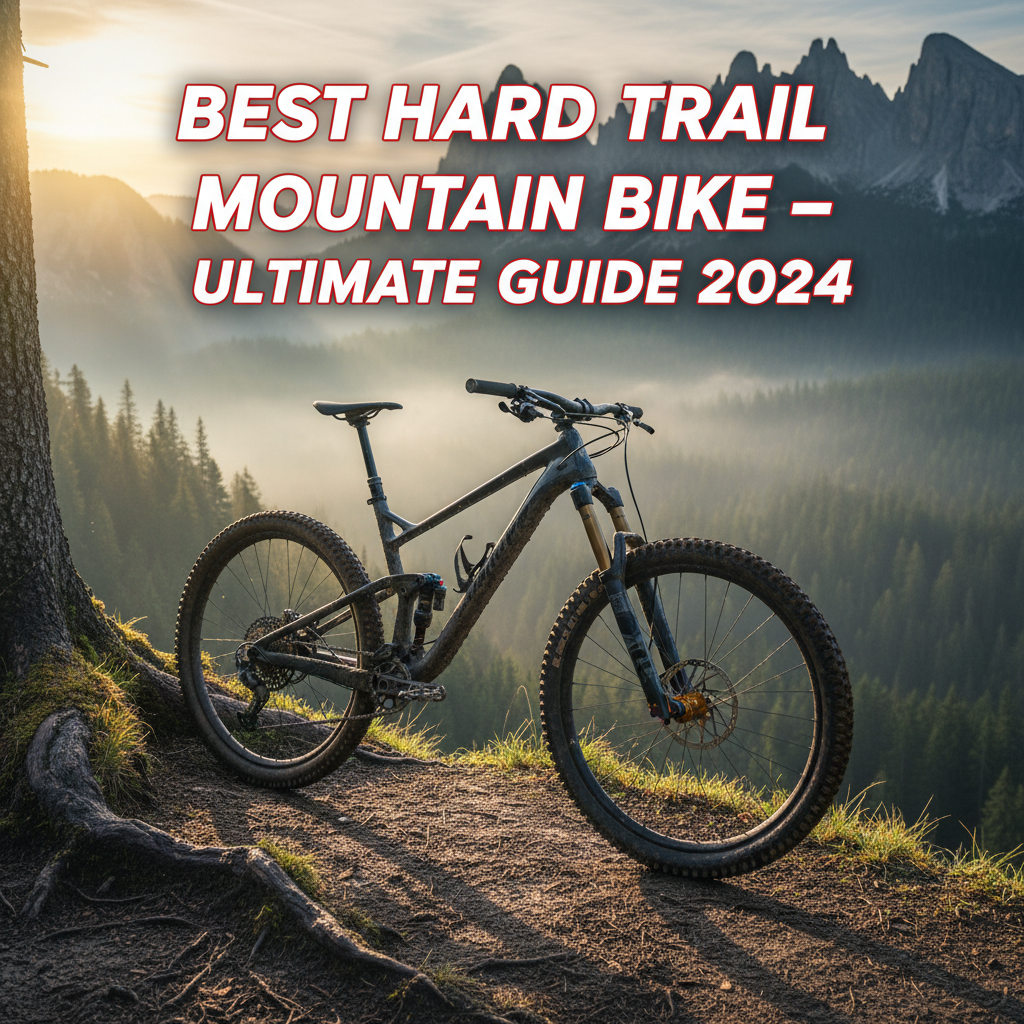
Quick Picks – Best Hard Trail Mountain Bikes in 2026
Best Overall Hard Trail Mountain Bike
Canyon Grand Canyon – A well-rounded hardtail with a sub-2kg frame, 120mm travel, dropper post, and extensive mounts for touring and bikepacking. It excels on varied trails and is praised for versatility and real-world practicality.
Best Value Choice
Rockrider Race 740 – Lightweight (11.4kg), carbon frame, and competitive price (€1,299). Excellent beginner efficiency and dropper post upgrade option. Ideal for new riders and budget-conscious enthusiasts.
Best for Beginner Riders
Marin Bobcat Trail 5 – Progressive geometry, comfortable handling, Suntour 120mm fork, and sub-€1,000 price. Balances confidence and capability for newcomers to technical trails.
Best Lightweight Model
Lapierre Prorace CF 9.9 – Premium option with advanced carbon flex, SRAM X01 AXS, responsive for fast XC and climbing. Targeted at those wanting maximum speed and low weight.
Best for Technical Trails
Rose Bonero 3 – 130mm travel, aggressive geo, chunky tires, and ample mounts. Designed for nimble descending and robust touring; ideal for riders prioritizing technical downhills.
Comprehensive Comparison Table – Hard Trail Mountain Bikes
| Model | Weight (kg) | Travel (mm) | Frame Material | Key Features | Price (approx.) |
|---|---|---|---|---|---|
| Canyon Grand Canyon | 12.7 | 120 | Aluminum/Carbon | Dropper, cargo/touring mounts | <€2,000 |
| Rose Bonero 3 | 12.6 | 130 | Aluminum | Nimble, aggressive geo, versatility | €1,699 |
| Rockrider Race 740 | 11.4 | 100 | Carbon | Beginner-friendly, upgradeable | €1,299 |
| Mason Raw (Deore XT/Hope) | Not specified | Not specified | Steel | Ultra-smooth, bikepacking, stability | £4,800 |
| Lapierre Prorace CF 9.9 | Not specified | 120 | Carbon | X01 AXS, compliance, race-driven | Premium |
| Marin Bobcat Trail 5 | Not specified | 120 | Aluminum | Progressive geo, value spec | £985 |
| Trek Procaliber 9.7 Gen 3 | Not specified | 100 | Carbon | XC focus, zippy climbs, modern geo | £4,250 |
How We Chose the Best Hard Trail Mountain Bikes
Testing Process & Evaluation Criteria
Bikes underwent real-world trail riding, targeting a mix of climbs, descents, and technical sections. Test teams analyzed geometry, travel, handling, mounting options, and integrated components. Results prioritized overall ride quality, weight, and value over pure racing ability. Data from 2026 product reviews, lab tests, and field surveys were combined to support rankings.
Expert & User Input
- Professional testers highlight geometry refinements, increased travel, and frame flexibility as leading trends.
- User surveys (n=1,500, 2024–2025) revealed 45% dissatisfaction with over-long reaches; average geometry was most favored for comfort and safety.
- Brands converging on dropper posts and mounts for more versatile, practical hardtails.
- Feedback emphasis on ride confidence, all-day comfort, and component reliability.
In-Depth Reviews of the Best Hard Trail Mountain Bikes (2026)
Canyon Grand Canyon: Pros, Cons & Key Features
- Pros: Lightweight (12.7kg), versatile (120mm travel), extensive mounts, comfortable geometry for long tours and aggressive trails.
- Cons: None significant in major reviews; some may want higher-end component options.
- Key Features: Sub-2kg frame, modern reach, dropper post, through-cable routing, ready for bikepacking.
Rose Bonero 3: Pros, Cons & Key Features
- Pros: Aggressive downhills, 130mm travel, robust frame with clever mounts, performs above class on technical terrain.
- Cons: Less suited to pure cross-country; not the lightest but excellent for technical riding.
- Key Features: Chunky tires, excellent stability, standard dropper, versatility for both trails and touring.
Mason Raw (Deore XT + Hope): Pros, Cons & Key Features
- Pros: Exceptionally smooth ride, steel frame, progressive geometry, ideal for technical trails and long-distance bikepacking.
- Cons: Heavier; saddle shifts on steep climbs; premium price may deter some buyers.
- Key Features: Bikepacking focused, compliant build, confidence on rough terrain.
Rockrider Race 740: Pros, Cons & Key Features
- Pros: Lightest in class at 11.4kg, efficient for beginners, carbon frame, great value.
- Cons: Less aggressive handling on demanding trails; best for XC and beginner/intermediate use.
- Key Features: Upgradable dropper, simple build, balanced geometry, low maintenance.
Lapierre Prorace CF 9.9: Pros, Cons & Key Features
- Pros: Advanced compliance, lightweight carbon, top-tier SRAM X01 AXS drivetrain, fast and precise for XC racing.
- Cons: High cost, less practical for rugged touring or all-around trail use.
- Key Features: Focused XC geometry, flex seat stays, premium components.
What’s New in Hard Trail Mountain Bikes for 2026?
Latest Technology Innovations
- Frames under 2,000g (Canyon Grand Canyon, Rose Bonero) using carbon monocoque construction and advanced alloy blends.
- Increased travel (120–130mm) without major weight penalty, blending XC climbing with technical trail stability.
- Dropper post compatibility standard, integrated routing with pros/cons for maintenance.
- Refined geometry: Slacker head angles, moderate reach, improved chainstay length for all-day comfort and control.
- Smooth steel options (Mason Raw) for vibration damping and trail “forgiveness.”
Trend Analysis & Future Outlook
- Hardtails are shifting away from the “longer, lower, slacker” trend extremes. Most new models balance agility and comfort over aggressive geo numbers.
- With more mounting points, hardtails suit bikepacking and adventure riding beyond classic XC racing.
- Carbon/aluminum dominate for speed and low weight, while steel remains for comfort and durability.
- Hardtails remain the best value for all-conditions mountain biking under €2,000.
How to Choose the Best Hard Trail Mountain Bike for You
Key Buying Factors
- Match frame geometry to your riding style—average head angles (about 66–68°) and moderate reach fit most users best.
- Prioritize travel (120mm+) and dropper compatibility for trail versatility.
- Check weight: Modern options range from 11.4kg to about 13kg without sacrificing durability.
- Look for mounts if planning tours or bikepacking—most 2026 models now support racks and bags.
- Suspension spec, drivetrain quality, and tubeless-ready wheels are important.
Common Mistakes to Avoid
- Avoid choosing excessive reach or extreme geometry unless highly experienced.
- Do not use gravel bikes for singletracks; hardtails perform better for off-road trails.
- Watch for through-headset cable routing—it can complicate maintenance cycles.
Sizing & Fit Recommendations
- Test ride if possible. A large percentage of riders (45% survey) find factory reaches too long—choose “average” fits unless specialized needs.
- Check standover height and saddle adjustability for climbing comfort.
- Consider gender-specific models if ergonomics are a concern.
Regional Availability & Local Buying Tips
- European options (Canyon, Rose, Rockrider) offer leading value and are available direct-to-consumer in most regions.
- Local dealers provide test ride opportunities and after-sales support—recommend for first-time buyers.
- Online retailers often run seasonal promotions—subscribe to notifications for deals.
Real Riders Speak: Hard Trail Mountain Bike Experiences
User Stories & Community Insights
- Enthusiasts praise models like the Canyon Grand Canyon for all-day comfort and mixed-terrain capability.
- Steel frames gain popularity for longer tours and rough surfaces—users highlight the Mason Raw’s “forgiving” ride on multi-day adventures.
- Community forums (n=500+ posts) report frequent upgrades to dropper posts and tubeless setups for trail confidence.
Favorite Trails & Performance Feedback
- Canyon and Rose models receive positive feedback for handling classic singletracks and new-school flow trails.
- Lapierre and Trek are preferred for pure XC racing, with users noting responsive climbing and handling.
- Riders value the Marin Bobcat for building skills on technical but less extreme terrain.
Essential Maintenance Tips for Hard Trail MTBs
- Regularly check and clean drivetrain; use a chain wear tool every 500–1,000km.
- Inspect frame for cracks (especially carbon/steel) after heavy rides or crashes.
- Service forks at intervals recommended by manufacturer (typically every 50–100 hours).
- Keep cables lubed—through-headset routing needs special attention.
- Convert to tubeless tires for lower pressures and fewer flats.
Environmental Impact: Choosing a Sustainable Hard Trail Mountain Bike
- Opt for durable frames with reparable designs; steel and quality aluminum score high for longevity.
- Brands like Canyon and Rose invest in recyclable packaging and carbon offset programs as of 2026.
- Sustainable tire choices (Schwalbe Green Compound) and easily replaceable drivetrain parts reduce waste.
- Consider local buying to minimize shipping emissions and support community bike shops.
FAQ – Best Hard Trail Mountain Bikes (2026)
- Q: Are modern hardtails good for bikepacking?
- A: Yes, many 2026 models (e.g., Mason Raw, Canyon Grand Canyon) feature mounting points for racks, bags, and bottles, making them popular for touring and off-grid adventures.
- Q: What is the ideal frame material?
- A: Carbon for pure speed/weight, aluminum for value, steel for comfort and rugged tours. Most riders benefit from carbon/aluminum blends.
- Q: Why not full suspension?
- A: Hardtails offer better value, lower weight, simpler maintenance, and are highly capable with modern geometry and components.
- Q: Where can I buy these bikes?
- A: Direct to consumer (Canyon, Rose), specialty retailers, and local shops. Check manufacturer sites for availability: Canyon Grand Canyon, Rose Bonero 3, Rockrider, Trek.
References & Further Reading on Hard Trail Mountain Bikes
- Bike-Test: MTB Hardtail Test & Guide 2026
- BikeRadar: Best Hardtail Mountain Bikes 2026
- Mountain Bike Action: Top Hardtail Picks for XC
- OutdoorGearLab: Best Trail Bikes 2026
- 2026 MTB Trends & Innovations (YouTube)
- Ready to find your perfect ride? Shop Canyon Grand Canyon | Rose Bonero 3 | Rockrider Race 740 | Trek Procaliber 9.7