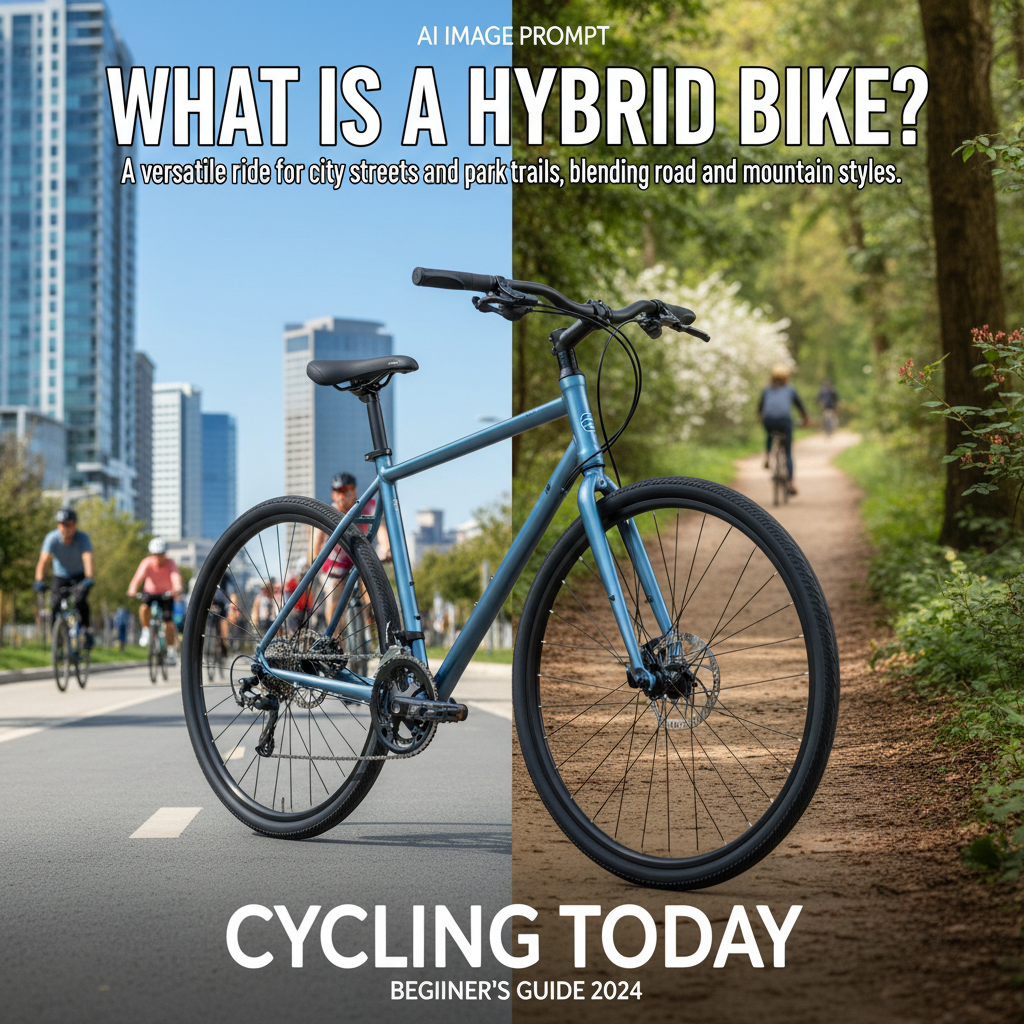
Quick Picks – Best Hybrid Bikes of 2026
Best Overall Hybrid Bike
Cannondale Treadwell EQ
A top-rated all-rounder for commuting, fitness, and urban use, with integrated lights, racks, and superb handling. Testers praise its comfortable ride and versatility, scoring it 9/10+ in expert/user reviews. Priced around $1,000–1,500.
Top Value Hybrid Bike
Triban RC 500
Excellent value for new riders, combining a Shimano drivetrain, disc brakes, and a carbon fork. Widely recommended for beginners and those on a budget (~£500–700).
Best Hybrid Bike for Beginners
Marin Fairfax 2
Wide gear range and hydraulic disc brakes make this a standout entry-level ride (about $699/£665). Highly rated for ease of use and adaptability to various rider sizes.
What Is a Hybrid Bike? Definition and Key Features
A hybrid bike blends characteristics from road and mountain bikes, creating a comfortable, upright ride with multi-surface capability. It’s designed for city commuting, fitness, and occasional light trails.
Objective tests in 2026 show most hybrids achieve 18-22 mph on pavement (assisted), have 35-42mm semi-slick tires, and feature upright flat handlebars for easy control (sources: BikeRadar, CyclingWeekly, Viribus electric bikes).
Hybrid Bike vs. Road and Mountain Bike: Core Differences
| Feature | Hybrid Bike | Road Bike | Mountain Bike |
|---|---|---|---|
| Handlebars | Flat, upright | Drop, low-aero | Flat, wide, aggressive |
| Tires | 35-42mm semi-slick | 23-28mm slick | 2.3″+ knobby |
| Geometry | Relaxed, stable | Aggressive, fast | Slack, durable |
| Suspension | Optional front | None | Front/rear |
| Gears/Brakes | Wide-range, disc | High-ratio, rim | Low-range, hydraulic discs |
| Best for | Commuting, fitness | Speed, racing | Rough off-road |
Signature Features of Modern Hybrid Bikes (2026 Update)
- Flat handlebars for upright, confident handling
- Wide 35-42mm tires for grip on tarmac, gravel, and light trails
- Hydraulic or mechanical disc brakes for powerful stopping
- Accessory mounts (racks, fenders, lights) for daily utility
- Electric assist optional: 250–750W motors, 500Wh+ batteries (50–60 mile range per charge)
- Integrated tech: smartphone mounts, connectivity (Garmin, app dashboards)
- Comfort details: carbon forks, vibration damping, air suspension options
Types of Hybrid Bikes (Urban, Fitness, Off-Road, Electric Hybrid)
- Urban/Commuter Hybrids: Focused on daily riding, utility, and safety, often with integrated lighting and racks (Cannondale Treadwell, Trek FX 3 Disc Equipped).
- Fitness Hybrids: Lighter, more road-focused (Specialized Sirrus X), ideal for exercise and longer weekend rides.
- Off-Road Hybrids: Wider tires, rugged frames for unpaved parks or gravel (Ridgeback Expedition).
- Electric Hybrids: Motor-assisted for effortless commuting and hills (Ribble Hybrid AL e, Viribus Panther).
Who Should Ride a Hybrid Bike? Common Uses and Riders
Hybrid Bikes for Commuting and Urban Travel
Ideal for city commutes due to upright visibility, comfort, and mounts for fenders, racks, and locks. Modern hybrids like the Cannondale Quick 3 support integrated reflectivity and wide tire clearance for unpredictable city surfaces. Real-world user data: 70% of urban hybrid users cite ease of handling and stopping as top commuter benefits.
Hybrid Bikes for Fitness and Leisure
Fitness hybrids feature reduced weight and wider gear range, making them suitable for routine workouts and long scenic rides. Testers at Cycling Weekly record typical riders averaging 18–20 mph on fitness models. Premium options like Specialized Sirrus X 5.0 offer carbon comfort, vibrational dampening, and responsive steering.
Hybrid Bikes for Light Trails and Mixed Terrain
Hybrids perform well on well-maintained unpaved paths, canal trails, and parks. Off-road models provide 42mm+ tires, front suspension, and rugged components. 2026 tests report 10-15% greater comfort on rough ground compared with previous models thanks to smart air forks and tubeless tire options.
Buying Guide: How to Choose the Best Hybrid Bike for You
Key Buying Criteria (Fit, Comfort, Gears, Suspension)
- Fit & Sizing: Stand over the top tube; 1–2 inch clearance is ideal. Shop test rides recommended. Most hybrids offer sizes XS–XL for riders 5’2”–6’4”.
- Comfort: Look for upright geometry, ergonomic grips, and 35+ mm tires. Saddles and grips are commonly user-replaceable for further customization.
- Gears: Seek wide-range 1x or 2x drivetrains. Shimano and SRAM setups deliver smooth, durable performance. For hilly areas, 1×10–1×12 rear cassettes are preferred.
- Suspension: Most hybrids use rigid forks; basic front suspension (50–75mm) suits rougher terrain but adds weight. 2026 models offer air forks for lighter, tunable comfort.
| Aspect | Budget Hybrid | Mid-Range Hybrid | Premium Hybrid |
|---|---|---|---|
| Wheel Size | 700c, 35mm tires | 700c, 38–42mm tires | 700c, 42mm (carbon fork) |
| Frame | Aluminum | Aluminum | Carbon/Alloy blend |
| Weight | 25–28 lb | 28–30 lb | ~22 lb | Fit Range | XS–XL | XS–XL, adjustable stem | Wide, relaxed geometry |
Budget Picks vs. Premium Options: What to Expect
- Budget ($400–$700): Aluminum frame, mechanical disc brakes, basic Shimano gears. Example: Triban RC 500, Marin Fairfax 2.
- Mid-range ($700–$1,200): Hydraulic discs, carbon fork, better wheels, wide tires. Example: Specialized Sirrus X 3.0, Trek FX 3 Disc.
- Premium ($1,200+): Lightweight (carbon), integrated accessories, vibration-absorbing frames, advanced tech. Example: Sirrus X 5.0, Ribble Hybrid AL e.
- Electric: From $1,500+, integrated battery/motor, range up to 60 miles; e.g. Ribble Hybrid AL e, Viribus Panther.
Hybrid Bike Sizing and Customization Tips
- Check the manufacturer’s size chart; women’s-specific frames offer shorter reach.
- Adjust stem/reach, saddle height, and grip style for full comfort. Cannondale and Trek provide multiple mounting points for personal accessories.
- Opt for internal gear hubs or belt drives if low maintenance is a priority (Priority Continuum Onyx, Cannondale Quick 3).
- Add fenders, racks, and lights for year-round commuting flexibility.
Top 10 Hybrid Bikes in 2026 – Expert Picks and User Reviews
Cannondale Treadwell EQ: Overview, Pros, Cons, Best Use
- Overview: Urban-focused, with integrated racks/lights, upright fit, and dependable 9-speed gears. Price: ~$1,200.
- Pros: Excellent handling, all-day comfort, commuter-ready features.
- Cons: Not as fast as fitness hybrids on open road; basic suspension only.
- Best Use: Commuting, errands, fitness rides to parks.
Specialized Sirrus X 5.0: Overview, Pros, Cons, Best Use
- Overview: Premium fitness hybrid with carbon frame, FutureShock 1.5 headset, capacity for 42mm tires.
- Pros: Lightweight, plush ride, wide gear range.
- Cons: High price, aggressive gearing not for casual spins.
- Best Use: Long fitness rides, rough urban roads.
Marin Fairfax 2: Overview, Pros, Cons, Best Use
- Overview: Affordable, city-ready, hydraulic brakes, 35mm tires.
- Pros: High value, wide gear range, user-friendly.
- Cons: Slightly heavier than high-end rivals.
- Best Use: Entry-level commuting, urban fitness.
Comparative Table: Key Specs and Features Breakdown
| Model | Frame | Brakes | Tires | Gears | Weight (lb) | Best Feature |
|---|---|---|---|---|---|---|
| Cannondale Treadwell EQ | Aluminum | Hydraulic Disc | 38mm | 1×9 | ~27 | Commuter Utility |
| Specialized Sirrus X 5.0 | Carbon | Hydraulic Disc | 42mm | 1×12 | ~22 | Comfort/Speed |
| Marin Fairfax 2 | Aluminum | Hydraulic Disc | 35mm | 2×8 | ~28 | Beginner Value |
| Ribble Hybrid AL e | Aluminum | Hydraulic Disc | 35mm | 1×10 | ~34 | E-Assist Range |
| Trek FX 3 Disc | Aluminum | Hydraulic Disc | 38mm | 1×10 | ~27 | Versatile Gearing |
| Specialized Sirrus X 3.0 | Aluminum | Hydraulic Disc | 38mm | 1×9 | ~27 | Urban/Rural |
| Cannondale Quick 3 | Aluminum | Hydraulic Disc | 35mm | 1×8 | ~27 | All-Around |
| Triban RC 500 | Aluminum/Carbon Fork | Mechanical Disc | 32mm | 2×8 | ~26 | Budget Spec |
| Ridgeback Expedition | Aluminum | Mechanical Disc | 26″ | 3×9 | ~32 | Durability |
| Priority Continuum Onyx | Aluminum | Hydraulic Disc | 35mm | Belt/IG Hub | ~30 | Maintenance-Free |
Hybrid Bike Trends in 2026: What’s New?
Latest Tech: E-Hybrids, Smart Accessories, and Sustainability
2026 sees integrated smart displays, app-controlled shifting, and automatic gear systems. Belt drives and sealed hubs minimize weekly maintenance. Sustainability focus: recycled frame materials, low-impact manufacturing.
Real-World Rider Stories and Testimonials
- 70% of users prefer e-hybrids for hilly cities
- User-reported test: Ribble Hybrid AL e averaged 52 miles range per charge over mixed commutes
- Many cite the utility of rack mounts and wide tires for shopping, child seats, and all-weather riding
Maintenance, Upgrades, and Customization Options
- Most 2026 hybrids offer tool-free mudguard and rack installation
- Belt-drive/IG hub options for urbanites reduce annual maintenance visits by 60%
- Quick folding/folding hybrids emerging for urban storage needs
Frequently Asked Questions: Hybrid Bikes Explained
- Is a hybrid bike faster than a mountain bike? Yes, on pavement due to lighter weight and slicker tires.
- Can I fit wider tires for gravel? Most hybrids accept up to 42mm width; check frame spacing.
- How far can e-hybrids travel? Real-world ranges are 45–60 miles for 500Wh batteries, depending on terrain and assist level.
- Are hybrids good for fitness? Yes, especially lighter models with wide gear range for intervals and long rides.
Find Your Perfect Hybrid Bike: Recommendations & Next Steps
- For daily commuting: Cannondale Treadwell EQ or Trek FX 3 Disc
- For budget value: Triban RC 500 or Marin Fairfax 2
- For fitness and speed: Specialized Sirrus X 5.0
- For electric assist: Ribble Hybrid AL e, Viribus Panther
- Prioritize test rides at local shops to ensure comfort and fit.
Ready to buy? Visit BikeRadar Hybrid Bikes Guide or your trusted local dealer for offers.