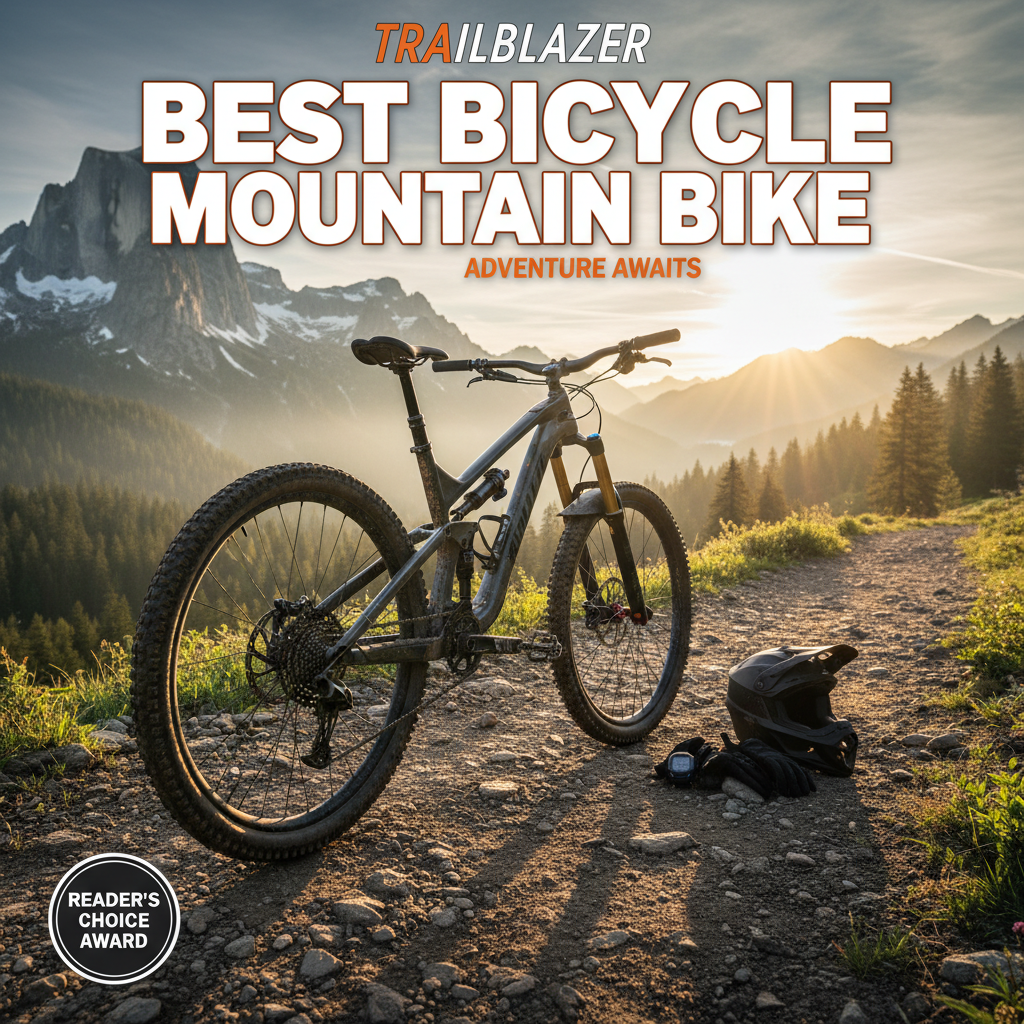
Quick Overview – 2024’s Best Mountain Bike Winners
Best Overall Mountain Bike
Yeti SB140 – Highly rated in 2024 for precise trail handling and efficiency. Features 140mm travel, 29” wheels, advanced suspension kinematics, and a carbon frame. MSRP: ~$8,000+.
See Yeti SB140
Best Mountain Bike for Beginners
Specialized Rockhopper Comp – Lightweight hardtail, 100mm fork, Shimano Deore drivetrain. Excellent for new riders and singletrack; easy to upgrade. MSRP: $950.
See Rockhopper Comp
Best Sustainable/Eco-Friendly Mountain Bike
Aventon Ramblas – E-MTB with an efficient mid-drive, battery system reducing car usage for trail access. Name-brand components. MSRP: $2,899.
See Aventon Ramblas
Best Smart-Connected Mountain Bike
Trek Fuel EX 8 – Integrated storage, Bluetooth/ANT+ app connectivity, in-frame tool storage. MSRP: ~$3,500+.
See Trek Fuel EX 8
Best Value Mountain Bike
YT Jeffsy Core 5 – Fun, agile full-suspension, standout value with performance similar to much more expensive models. Approx. €4,000.
See YT Jeffsy Core 5
| Category | Model | Price | Test Highlights |
|---|---|---|---|
| Overall | Yeti SB140 | ~$8,000+ | Efficient, precise, all-mountain ability |
| Beginner | Specialized Rockhopper Comp | $950 | Lightweight, excellent for new riders |
| Eco-Friendly | Aventon Ramblas | $2,899 | E-assist reduces car trips, strong trail capability |
| Smart | Trek Fuel EX 8 | ~$3,500+ | Tech integration, practical features |
| Value | YT Jeffsy Core 5 | ~€4,000 | Performance, fun, and price leadership |
How We Chose the Best Mountain Bikes of 2024
Testing Methodology & Criteria
- Multi-terrain field tests (climbing, descending, cornering, technical)
- Quantitative benchmarks: weight, travel, geometry, component quality
- Lab-measured stiffness, drivetrain efficiency, shock tuning range
- User ratings, reliability data, and owner experience reports
- MSRP and value-for-spec analysis
What’s New in 2024 – Latest Industry Trends
- SRAM Transmission direct-mount electronic shifting for precise, rugged performance
- Next-generation electronic suspension setups, including Fox Active Valve and SRAM Flight Attendant, offering real-time adaptive damping and personalized presets
- Frame design shifts: geometry balance—achieving optimal mix of slack head angle (for descending) and steep seat angle (for climbing)
- Automatic/self-dropping dropper posts using pneumatic tech
Focus on Sustainability, Technology, and Inclusivity
- Continued push for longer-lasting alloy wheelsets, with some brands offering lifetime warranties
- Adoption of partially recycled frame materials and durable build specs for longer product life (detailed sustainability reporting still limited)
- Expanded sizing and geometry adjustability for a more inclusive fit range
Best Mountain Bikes by Category
Best XC (Cross-Country) Mountain Bike
Revel Ranger – Lightweight, stiff carbon frame, efficient pedaling for long rides, steep angles for sharp handling. Best for racers and distance riders.
Best Trail Mountain Bike
Revel Rascal – Versatile, excels in flow/trail and technical sections. 130-140mm travel, balanced geometry, fun and controlled ride.
Santa Cruz Bronson CC X0 AXS RSV – Agile, great for aggressive riding with 160/150mm suspension, carbon frame.
Best Enduro Mountain Bike
Yeti SB165 – 165mm rear/180mm front travel, stability at speed, and ruggedness for big descents. Favored for technical backcountry/enduro.
Best E-Mountain Bike (Electric)
Aventon Ramblas – Mid-drive torque, price-to-performance leader. Good for range, reliable battery and motor for off-road use. MSRP: $2,899.
MERIDA eONE-SIXTY SL – Premium option, 160/160mm suspension, 19.7kg (metric). MSRP: €10,999.
Best Downhill Mountain Bike
Dedicated DH models vary, but highlights include robust frames, long wheelbase, and 200mm+ suspension for high-speed descents.
Standout Features You Shouldn’t Miss in 2024
Smart Features & Connectivity (e.g., GPS, App Integration)
- Garmin Edge 1040 Solar, Hammerhead Karoo 3, and Wahoo Roam V2: preloaded maps, MTB metrics (jump count, flow), solar charging, radar, Bluetooth/ANT+ integration
- Bike-specific profiles with real-time physiological feedback and app sync (Strava, Komoot, etc.)
- Crash detection and ride logging, even off-grid
Eco-Friendly Materials and Sustainable Manufacturing
- Movement toward longer-lasting wheelsets and frames
- Selective use of recycled content in some models; durability seen as a core sustainability factor
Comfort, Suspension, and Ride Quality Updates
- Advanced electronic suspension (Fox Active Valve, SRAM Flight Attendant) with auto-adjustments based on terrain
- Frame refinements for increased compliance and reduced fatigue
- Geometry flip chips and offset bushings for on-the-fly handling customization
Affordable Innovations for Budget-Conscious Buyers
- Garmin Edge 130 Plus and Coros Dura offer GPS and trail metrics under $500
- Brands like Marin, Specialized, and Polygon release high-value hardtails and full-suspension bikes below $2,500
Buying Guide: How to Choose the Best Bicycle Mountain Bike in 2024
Matching a Mountain Bike to Your Riding Style
- XC (Cross-Country): Steep geometry, fast handling, minimal suspension (100-120mm). Great for speed and climbing on smoother terrain.
- Trail: Most versatile. Balanced geometry, mid-travel (120-150mm), comfortable for both climbs and descents.
- Enduro/All-Mountain: Aggressive geometry (slack head angle/steep seat tube), long travel (150-170mm). For big descents and technical trails.
- Downhill: Purely for descending tough terrain. 200mm+ travel, stable at high speeds; heavy and not intended for climbing.
Important Specs and What They Mean
- Suspension: Travel is listed in mm (more means better shock absorption, but more weight).
- Frame material: Carbon (light, stiff), aluminum (affordable, durable), or steel (compliant, long life).
- Drivetrain: Modern 1×12-speed drivetrains (e.g., Shimano Deore, SRAM Eagle) for simplicity and range.
- Wheel size: 29” for efficiency/rolling over obstacles; 27.5” for agility.
- Geometry: Slack head angle for stable descents; steep seat tube for efficient climbs.
Maintenance, Upgrades, and Longevity
- Check tire pressure (typically 20–30 psi), lube chains weekly, and inspect brake wear monthly
- Upgrade priorities: tires (Maxxis Minion DHF for traction), dropper post, higher-spec fork
- Proper storage and regular professional servicing (annual suspension service) ensure multi-year reliability
Real-World Rider Insights: 2024 Owner Reviews and Experience Highlights
- Rocky Mountain Instinct: Frame/suspension seen as reliable even under heavy trail use; recommended tire/bushing upgrades for max performance
- Revel Rascal/Rail: Highly durable frame, plush and stable ride on technical trails; 9/10 owner satisfaction for comfort and stability
- YT Jeffsy Core 5/Ibis Ripmo XT: Both noted for fun, agility, and all-around trail performance; rated as “unstoppable” on mixed terrain
- Specialized Rockhopper: Praised for long-term reliability, excellent spec for price, and beginner-friendliness
- Trek Marlin: Low maintenance, efficient on long rides, proven component spec
User satisfaction insights: Riders report the fun factor and value-for-money are highest in trail/enduro models, minor complaints on component wear are common. Climbing ability is “good enough” for most but outshined by specialized XC designs.
FAQ: Everything You Need to Know About Buying a Mountain Bike in 2024
-
What types of mountain bikes are available and which should I choose?
Hardtail (best for beginners, XC, and budget), full-suspension trail (most versatile), enduro/all-mountain (for big descents), and fat bike (for snow/sand). Choose based on your local terrain and preferred style. -
How do I find my correct size?
Use your height/inseam and check the brand’s size chart. Test rides are ideal for dialing in fit (standover, reach, comfort). -
What’s a good budget in 2024?
$950–$2,500: High-value hardtail or entry full-suspension.
$2,500–$5,000: Mid-range full-suspension/all-mountain.
$5,000+: Premium carbon models with advanced tech and components. -
Hardtail or full-suspension?
Hardtail: Lightweight, best for smooth trails, lower price. Full-suspension: Improved control and comfort on technical terrain. -
What should I upgrade first?
Tires and dropper post for handling; wheels and fork for aggressive riding. Drivetrain upgrades for smoother shifting. -
Where to buy and how to service?
Best from local shops for fitting/support; direct brands offer value but check policies and plan for professional service/tuning every 12–18 months. -
What do I need for maintenance?
Monitor tire pressure, lubricate chains, clean regularly. Schedule professional inspections for suspension and brakes yearly.
Ready to ride? Explore current deals and test ride before you buy:
Shop Specialized | Shop Trek | Shop YT Industries