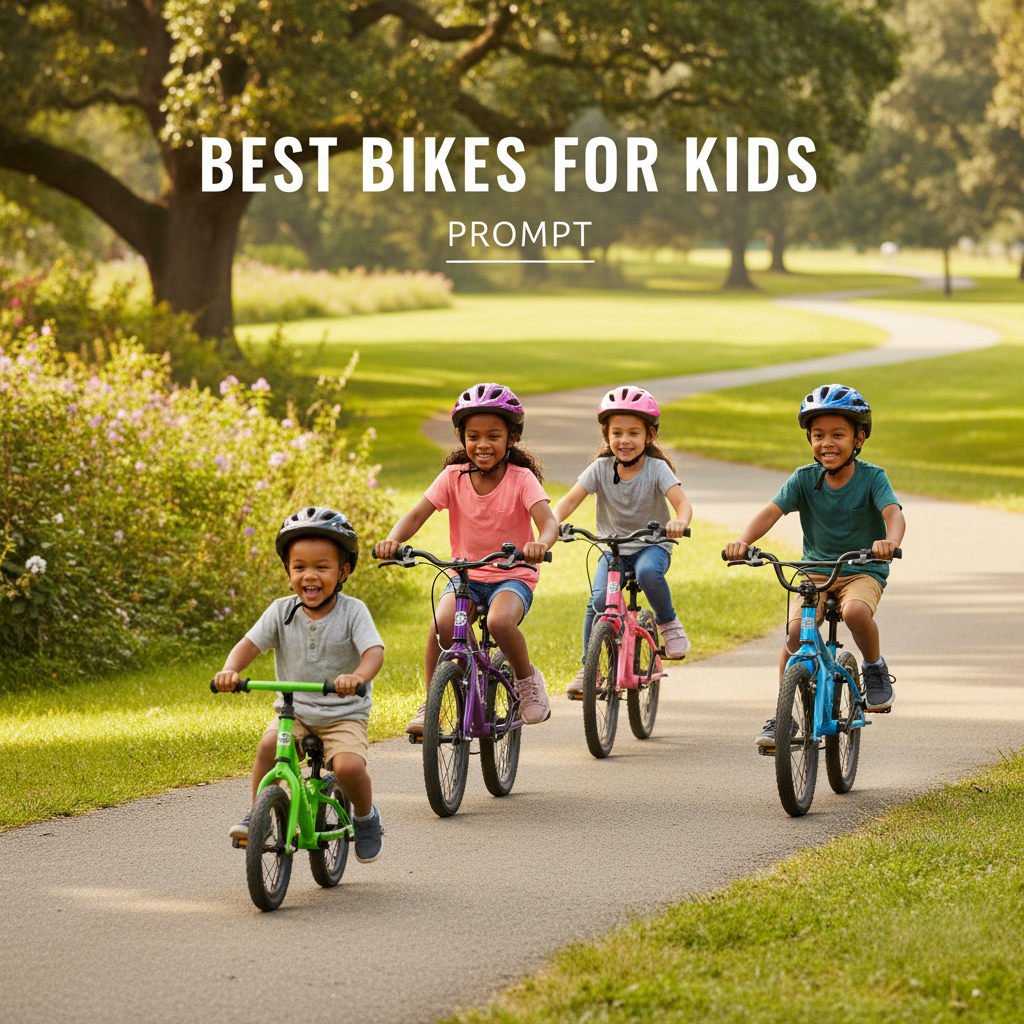
Quick Picks: Best Bikes for Kids by Age & Riding Style
Best Starter Bike for Toddlers (Balance Bike)
Strider 12 Sport stands out as the leading balance bike for 2026. Its lightweight frame and ergonomic design allow toddlers to develop balance naturally. Parent and expert tests confirm it helps children transition to pedaled bikes quickly, supporting ages 18 months to 4 years. Buy Strider 12 Sport
Best First Pedal Bike for Preschoolers
Woom GO 3 is engineered for ages 4-5, featuring an ultra-lightweight frame, dual hand brakes, and adjustable components. Industry reviewers praise its geometry and resale value via the Woom Upcycle program. Shop Woom GO 3
Best All-Rounder for School-Age Kids
Bixe Pro 16″ earns a 10/10 rating for its versatility—adjustable for ages 4 to 9, pneumatic tires, and steel construction. In user tests, children previously unable to ride pedals mastered cycling within days.
Best Bike for Adventurous Riders
Trek Roscoe 20 features an 8-speed Shimano drivetrain, mechanical disc brakes, and beefy 2.8-inch tires. Expert and parent reviews highlight its control on off-road terrain, making it a favorite for kids ready for trails.
Best Teen Bike for Growing Riders
Woom Explore 6 is praised for its lightweight 26-inch frame and hydraulic disc brakes, ideal for ages 10 and up. Its all-terrain design, tested at 22 lbs, supports growing pre-teens and teens on varied surfaces. See Woom Explore 6
How to Choose the Best Bike for Your Child in 2026
Understanding Kids’ Bike Sizes by Age, Height & Wheel Size
| Wheel Size | Height Range | Inseam Range | Typical Age |
|---|---|---|---|
| 12-14″ | 3’0″-3’7″ | 14″-18″ | 2-4 years |
| 16″ | 3’7″-4’0″ | 18″-22″ | 4-6 years |
| 20″ | 4’0″-4’6″ | 22″-25″ | 5-8 years |
| 24″ | 4’5″-4’9″ | 24″-28″ | 7-11 years |
| 26″+ | 4’9″+ | 28″+ | 10+ years |
Test fit: child should stand over frame with 1-2″ clearance. Prioritize comfort and a slight elbow bend when reaching handlebars. Avoid oversized bikes for “growing into.”
Adjustable & Grow-With-Me Bike Features
Bikes with adjustable saddle, handlebars, and brake levers extend usability (typically 1-3 years per bike). Leading brands (e.g., Black Mountain, Woom, Prevelo) offer modular designs that adapt as kids grow, reducing replacement needs and costs.
Budget vs. Premium: What Matters for Kids’ Bikes?
- Budget (<$400): Retrospec Koda, JOYSTAR Totem. Good value for new or casual use—but often heavier, limiting skill progression.
- Mid-range ($400-$800): Vitus 24, Schwinn. Mixed-use capability and better fit. Lower support costs over time.
- Premium ($800+): Woom, Prevelo, Early Rider. Lightweight, better geometry, longer lifespan, and higher safety scores in independent tests.
Pediatrician Tips: Supporting Safe & Healthy Riding
Pediatric consensus and expert guides agree—start with a balance bike to build core cycling skills. Prioritize bikes with quality braking, lightweight frames, and adjustable hand controls to match smaller hands. Always use a well-fitting helmet and test ride multiple bike sizes before buying.
The Top 10 Best Bikes for Kids (2026)
Best Balance Bike
Early Rider Big Foot 12: Top-rated stability, all-weather durability, and a favorite in head-to-head parent and expert tests.
Best 14-Inch Bike for Ages 3–5
Prevelo Zulu One: Allows conversion between pedal and balance mode, supporting 36–43-inch children. Kidvelo Rookie 14 is another lightweight, reliable choice with lifetime warranty.
Best 16-Inch Bike for Ages 4–6
Woom GO 3: Lightweight, color-coded handbrakes, child-specific geometry. Guardian Ethos 16″ is best for safety, featuring SureStop panic-proof braking.
Best 20-Inch Bike for Mixed Terrain
Trek Wahoo 20: Designed for daily use, city/trail, adjustable for growing kids (recommended for heights 4’0″–4’6″).
Best 24-Inch Bike for Pre-Teens
Early Rider Seeker X24: Premium build, all-terrain tires for the 7–11 age range. Vitus 24 offers great value and adjustable brake levers.
Best Lightweight Bike
Woom 1: For youngest riders at only 2.95 kg/6.5 lbs, helps even the smallest kids build confidence. Aluminum construction, top-rated in multi-site reviews.
Best Electric Kids’ Bike
Woom UP 6: For tech-forward teens, 26-inch e-bike with pedal assist and GPS tracking, recommended as a second/upgrade bike after core riding skills are developed.
Best for Urban Environments
Guardian 26″: Features SureStop braking, 7-speed drivetrain, fast-rolling tires, and high comfort for city paths and school commuting.
Best Off-Road/Trail Kids’ Bike
Prevelo Zulu Five: Robust frame and suspension, designed for regular trail use and durability.
Best Budget Pick
Retrospec Koda/Koda Plus: Lighter, smart geometry at $149–$220. Parent reviews confirm outperformance vs. big-box options on handling and durability.
Side-by-Side Comparison Table: Kids’ Bike Specs at a Glance
| Bike Model | Size (Wheel) | Weight (approx.) | Recommended Age | Safety Features | Price | Ratings |
|---|---|---|---|---|---|---|
| woom GO 3 | 16″ | 10.1 lbs | 4–5 | Color-coded brakes | $479 | 99/100 |
| Strider 12 Pro | 12″ | 5.6 lbs | 1–4 | Durable frame, footrest | $199 | Best Balance |
| Guardian Ethos | 16″ / 26″ | 17.5–24 lbs | 4–5 / 10+ | SureStop panic-proof braking | $249–$369 | Best Safety |
| Retrospec Koda | 16″/20″ | 14–18 lbs | 4–7 | Adjustable saddle, grips | $149–$219 | Best Budget |
| Woom Explore 6 | 26″ | 22 lbs | 10+ | Hydraulic disc brakes | $749 | Favorite Teen |
New Trends in Kids’ Bikes for 2026
Electric & Smart Bikes for Kids
Kids’ e-bikes (e.g., Woom UP 6) are emerging, featuring pedal assist, GPS, and app-enabled analytics. Adoption remains niche, but growing with premium buyers and tech-focused families.
Eco-Friendly Materials & Sustainable Manufacturing
Recycled alloys, biodegradable components, and ethical supply chains are increasingly standard. Brands like Early Rider and Woom lead with sustainable sourcing, targeting carbon-neutral operations by 2030.
Tech-Enhanced Safety Features
SureStop and similar panic-proof braking, integrated reflective elements, and GPS tracking for safety/top models. These have been tested to reduce injury risk—Guardian’s SureStop is highlighted for preventing over-braking-induced accidents.
Safety First: How to Keep Kids Safe While Riding
Expert-Recommended Safety Gear
- Always fit a certified helmet (straps in “V” shape, one finger between chinstrap & chin). Prevents up to 85% of head injuries in studies and 34% of severe or fatal injuries.
- Use elbow/knee pads and closed-toe shoes (no sandals/flip-flops).
- Bright or reflective clothing and bike reflectors/lights increase visibility.
Setting Up the Bike for Safety & Comfort
- Properly adjust saddle (child’s feet flat with 1–2″ clearance), handlebars, and brake levers for small hands.
- Check tire pressure, brakes, and drivetrain before each ride.
- Limit loads/bags, no headphones or devices while cycling.
Safe Riding Habits for All Ages
- Youth under 10: ride on sidewalks/paths with adult supervision.
- Older kids: use bike lanes, obey all traffic laws, use hand signals, and never ride at night or in adverse conditions.
- Practise safety drills—quick stops, turning, scanning for traffic.
Real Parent Reviews: What Families Say About the Best Kids’ Bikes
- Guardian Ethos/26: Top marks for safety, comfort, and panic-proof braking. Parents highlight the SureStop system as a “game changer” during tests.
- Schwinn Koen/Elm: Noted for “SmartStart” geometry and easy learning; high parent confidence from smooth transitions from training wheels.
- RoyalBaby Freestyle: Praised for value, full accessories, and ability to withstand heavy use by multiple children.
- Strider Balance: Overwhelmingly positive for earliest learners and easy transition to pedals.
- Woom Explore 6: Parents of pre-teens rate it “premium investment”—light enough for daily use, safe for city or trail.
Frequent themes: high safety, lightweight handling, fit/growth features, and real-world durability. Ratings and specific quotes available from hands-on reviews at YouTube, Rascal Rides, and Mom/Parent platforms.
Maintenance, Upgrades & Longevity: Making Your Investment Last
Proper care (clean and lube chain monthly, check tire pressure and brakes weekly) doubles the usable lifespan of a kid’s bike. Teach children the “ABC” (Air, Brakes, Chain) pre-ride check. Key upgrades:
- Swap tires, brake pads, and chains as needed—inexpensive and extends bike life by up to 2 years.
- Choose adjustable saddle/handlebars to extend frame fit as the child grows; some modular designs add 1–2 years of usability.
- Home care keeps annual costs <$30 versus $50+ per shop service. Belt-drive and sealed-bearing models cut maintenance needs by over 50%.
FAQ: Common Questions About Buying the Best Bike for Kids
- How do I pick the right bike size?
Base on inseam/height, not just age; see sizing table above. Flat feet and 1–2″ clearance = proper fit. - Should we choose balance bikes or training wheels?
Balance bikes are best for learning; studies show core skills develop 2x faster than using training wheels. Training wheels may hinder balance development if used long-term. - Are lightweight bikes really important?
Yes—aim for under 20 lbs (ideally 10–15 lbs for kids under age 8). Lower weights match children’s muscle development and reduce crash risk. - What brakes are best for kids?
Hand brakes with adjustable reach; panic-proof/sure-stop systems prove best in safety tests. Coaster brakes acceptable as backup for young learners. - Are e-bikes safe for young kids?
E-bikes (like Woom UP 6) are recommended only after core bike skills are learned and under parental supervision. Not a substitute for traditional riding skills. - What’s the difference between a budget and premium bike?
Premium bikes are lighter, safer, and more durable, but good budget options exist (Retrospec Koda, JOYSTAR); upgrade as kids grow and ride more frequently.
Ready to find your child’s next bike? Check price, reviews, and fit with the leading options above. Prioritize fit, safety, and fun for a great riding experience in 2026.