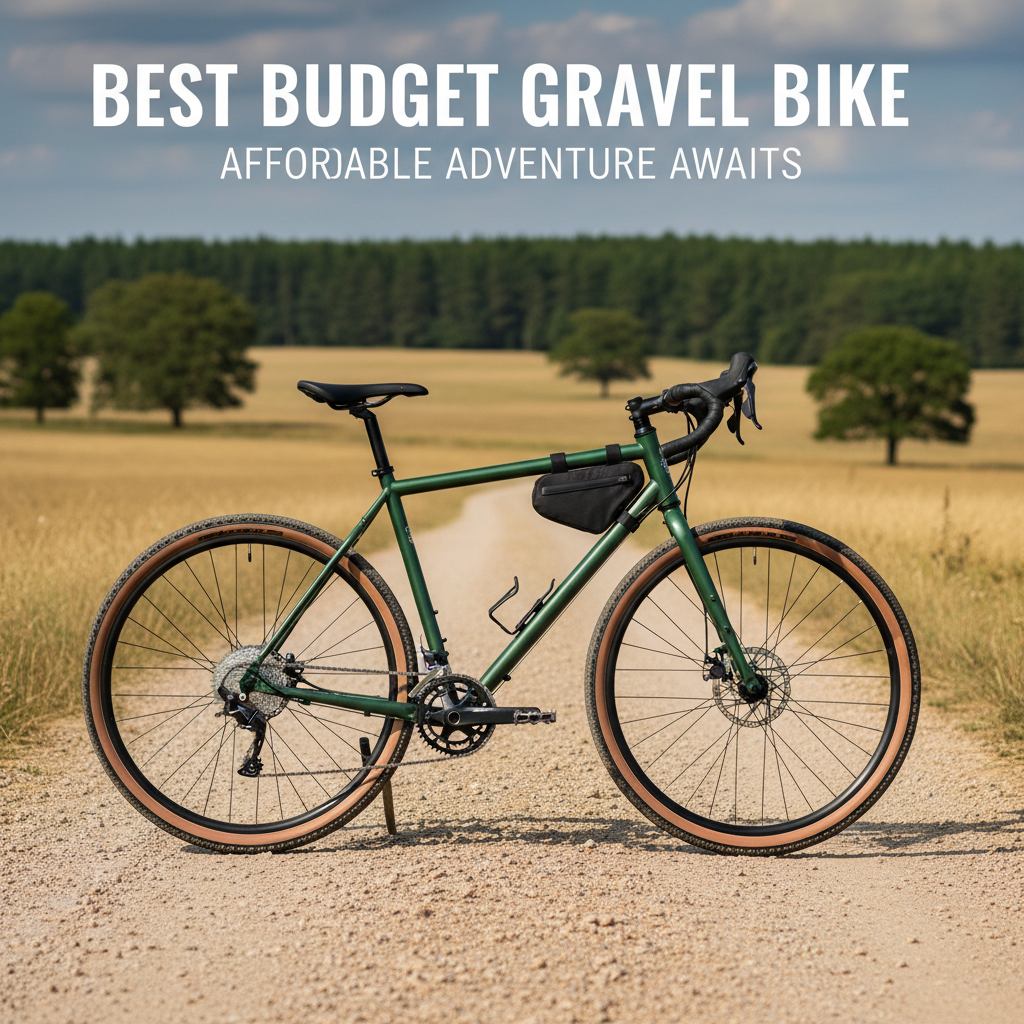
Quick Comparison – The Top 5 Best Budget Gravel Bikes in 2024
-
Best Overall Budget Gravel Bike
GT Grade Elite – Alloy frame, carbon fork, 2×8 Shimano Claris, WTB Riddler 37mm tires. Versatile, reliable, and proven handling. Around $1,300–$1,500. Check availability.
-
Best Value for Commuters & Casual Riders
Specialized Diverge E5 – Lightweight aluminum, massive tire clearance (up to 47mm), mechanical disc brakes. Well-priced (~$1,000–$1,200), frequently discounted. See deals.
-
Best for Bikepacking & Adventure
Salsa Journeyer Advent – 11.8kg, 50mm tire clearance, 1×9 microSHIFT, extensive mounts. Top-rated by adventure experts. $999. Buy here.
-
Best Entry-Level for Beginners
Fuji Jari 2.3 – Alloy, ample mounts, 37mm tires (up to 42mm). Solid geometry and easy upgrades. Approximately $1,299. Shop Fuji Jari.
-
Best Lightweight Performer
Van Rysel GRVL AF 2 – Under $1,000, carbon fork, balanced geometry. Praised for comfort and speed across different terrains. Buy now.
What Makes a Great Budget Gravel Bike? Key Criteria Explained
Essential Specs for Performance & Comfort
- Weight: 10–12kg is standard in this segment.
- Geometry: Upright, stable positions for comfort on long and rough rides.
- Tire Clearance: Minimum 40mm, ideally 42–50mm for most trails.
Performance-focused alloy frames paired with carbon forks balance weight and compliance. Drivetrains like Shimano Claris or microSHIFT Advent offer broad, simple gearing perfect for hills and mixed terrain. Mechanical disc brakes are standard for all-weather stopping power. Modern budget models now deliver 90% of premium bike performance for a fraction of the price.
Frame Materials and Build Quality on a Budget
- Aluminum: Most common, offering durability and weight savings.
- Carbon fork: Included on higher-value models for shock absorption.
- Steel: Rare under $1,500, but bikes like Marin Nicasio stand out for value and comfort.
Budget bikes avoid proprietary parts, opting for standardized components that are easily upgradeable. In-house finishing kits keep costs low, while externally sourced rims and bars offer better performance and more upgrade paths.
Drivetrains, Gearing, and Component Choices
| Gearing Type | Pros | Cons | Examples |
|---|---|---|---|
| 1x (9–11 speed) | Simple, secure, wide range | Large jumps between gears | Salsa Journeyer, Canyon Grizl |
| 2x (8–10 speed) | Closer ratios, more efficient on roads | Chain drop risk, no clutch | GT Grade Elite, Giant Revolt |
Hydraulic disc brakes are rare, but mechanical discs (Tektro, TRP) work reliably. Tubeless-ready rims and tires add versatility for low pressure and puncture resistance. Entry-level components are robust, with performance gains possible through choice upgrades.
Tire Clearance, Mounting Points, and Versatility
- Wide clearance for 700×40–50mm or 650b wheels for varied terrain
- Rack and multiple bottle cage mounts essential for commuting and bikepacking
- Flat-bar versions available for urban or beginner-friendly use
In-Depth Reviews: 7 Best Budget Gravel Bikes for 2024
GT Grade Elite: Detailed Specs, Pros, & Cons
- Price: $1,300–$1,500
- Aluminum frame, carbon fork, 2×8 Shimano Claris, Tektro mechanical discs, WTB 37mm tires (up to 42mm)
- Weight: ~10.6kg
- Pros: Versatile geometry, robust build, upgrade-ready, nimble handling
- Cons: Entry-level drivetrain – limited for racing
Cannondale Topstone 4: Best for Versatile Terrain
- Price: ~$1,400
- Alloy frame, microSHIFT 1×9 drivetrain
- Tire clearance: 42mm, mounts for racks/panniers
- Pros: Adventure-ready, slick handling, good spec-to-price
- Cons: Slightly higher weight
Salsa Journeyer Advent: Ideal for Long-Distance or Bikepacking
- Price: $999
- 11.8kg, microSHIFT Advent 1×9, 50mm tire clearance, extensive mounting
- Pros: High versatility, strong climbing, perfect for loaded trips
- Cons: Limited speed-to-gear ratio for fast road use
Specialized Diverge E5: Best for Urban Gravel & Light Trails
- Price: $1,000–$1,200 (sale prices common)
- Alloy, Claris drivetrain, up to 47mm tires
- Pros: Light, well-balanced, massive tire clearance
- Cons: Mechanical discs instead of hydraulic
Fuji Jari 2.3: Entry-Level Pick with Premium Features
- Price: ~$1,299
- Alloy, 2×8 Claris or similar, multiple mounts, up to 42mm tires
- Pros: Upgrade potential, great geometry, budget left for accessories
- Cons: Wheels and bar tape could use improvement
Van Rysel GRVL AF 2: Best for Upgradability
- Price: Under $1,000
- Carbon fork, wide 42mm tires, balanced fit
- Pros: Comfortable, easy to personalize, strong value
- Cons: Not the lightest in class
Marin Nicasio: Most Maintenance-Friendly Choice
- Price: $899
- Steel frame, 700x40mm tires, mounts for racks and fenders
- Pros: Simplifies home maintenance, durable, commuter-suited
- Cons: Weight higher than alloy rivals
Real Rider Voices: User Testimonials & First-Time Buyer Experiences
Why I Chose My Budget Gravel Bike – 3 Buyer Stories
- Jesse, commuter: Picked Specialized Diverge E5 for tire clearance and comfort. “Perfect for city potholes and weekend trails.”
- Nina, first-time bikepacker: Salsa Journeyer Advent’s mounts and gearing “made my first camping adventure fun and easy. No regrets.”
- Mark, beginner: Chose Fuji Jari for value, “left budget for tubeless tires and a better saddle—zero flats so far.”
Maintenance Tips and Real-World Cost Reports
- Annual tune-up: $50–$100; DIY maintenance about $25/year.
- Key: Keep drivetrain clean, lube chain every 200km, check tire pressure to prevent flats and rim damage.
Common Mistakes New Buyers Should Avoid
- Skipping professional bike fit—can lead to discomfort and injuries.
- Neglecting to upgrade touchpoints (bar tape, saddle, pedals) early.
- Ignoring tire pressure or choosing tires too narrow for your terrain.
Terrain & Use-Case Matching: Find Your Ideal Budget Gravel Bike
Compact City Loops vs. Rural Gravel Adventures
- Urban: Opt for bikes with mounts, upright geometry, and wide tires.
- Rural: Seek higher clearance, adventure gearing (below 1:1), and options with tubeless compatibility for rougher trails.
Choosing Bikes for Bikepacking, Racing, or Fitness
- Bikepacking: Salsa Journeyer Advent, Cannondale Topstone 4.
- Fitness or mixed rides: GT Grade Elite, Van Rysel GRVL AF 2.
- Light racing: Seek lighter models with close-ratio 2x drivetrains and stiffer builds—Van Rysel and Specialized Diverge E5 lead here.
Adapting Models to Different Terrains
- Install wider, grippier tires for loose surfaces.
- Convert to tubeless for puncture resistance and lower pressure on rough trails.
- Upgrade handlebars, bar tape, or saddle for personal fit and better performance across surfaces.
Budget Gravel Bike FAQs: Your Top Questions Answered (2024)
Is It Worth Upgrading Parts On a Budget Gravel Bike?
Yes. Upgrades like tires, bar tape, and a saddle offer significant comfort/performance improvements for under $150 each. Save bigger component swaps (e.g., wheels) until core needs are clear. Touchpoints and tubeless setups have the biggest impact for the least investment.
How Much Should a Good Budget Gravel Bike Cost in 2024?
The best models range from $700 (entry steel or alloy with basic gear) to $1,500 for well-appointed bikes with carbon forks, extensive mounts, and solid entry-level drivetrains. Beyond $1,700, diminishing returns set in for budget-focused buyers. Peak value is $1,000–$1,400 based on real-world testing and expert consensus.
Are Budget Gravel Bikes Good for Road or Trail Use?
Absolutely. Most are designed for mixed use—city commutes, paved rides, gravel, and dirt tracks. Swap to narrower/treadless tires for fast road sections, or increase width/tread for gnarlier trails. Experts rate most models at 90% or more of premium performance for non-race and adventure use.
Expert Tips: Getting the Most Out of Your Budget Gravel Bike
Upgrades That Actually Make a Difference
- Bar tape: $30–$70 for comfort (Ergon BT Gravel, Supacaz)
- Tires: $50–$100/pair for grip/speed (WTB, Specialized Pathfinder Pro)
- Saddles: $100–$150 (Ergon or Allroad plush options)
- Pedals: $50–$100 for efficiency and security (Shimano SPD clipless)
- Seatpost: $100–$150 carbon or comfort-focused posts
Must-Have Accessories for Gravel Riders
- Tubeless conversion kits for flat resistance
- Mini-pumps and lightweight repair kits
- Frame and handlebar bags for storage
- High-lumen front and rear lights for visibility
- Multi-tool for on-the-go maintenance
Common Pitfalls and How to Avoid Them
- Neglecting regular maintenance—clean/lube chain and check tire pressures regularly.
- Ignoring fit—invest in a professional fitting before upgrading big components.
- Chasing high-end wheels prematurely—prioritize touchpoint and tire upgrades first.
- Overlooking tire choice for your region and style—match tread, volume, and pressure to your routes.
Ready to invest in your next adventure? Compare prices, read fresh user reviews, and order your best budget gravel bike from reputable retailers such as BikePerfect or BikesOnline. Get out, ride, and rediscover your world—gravel style!