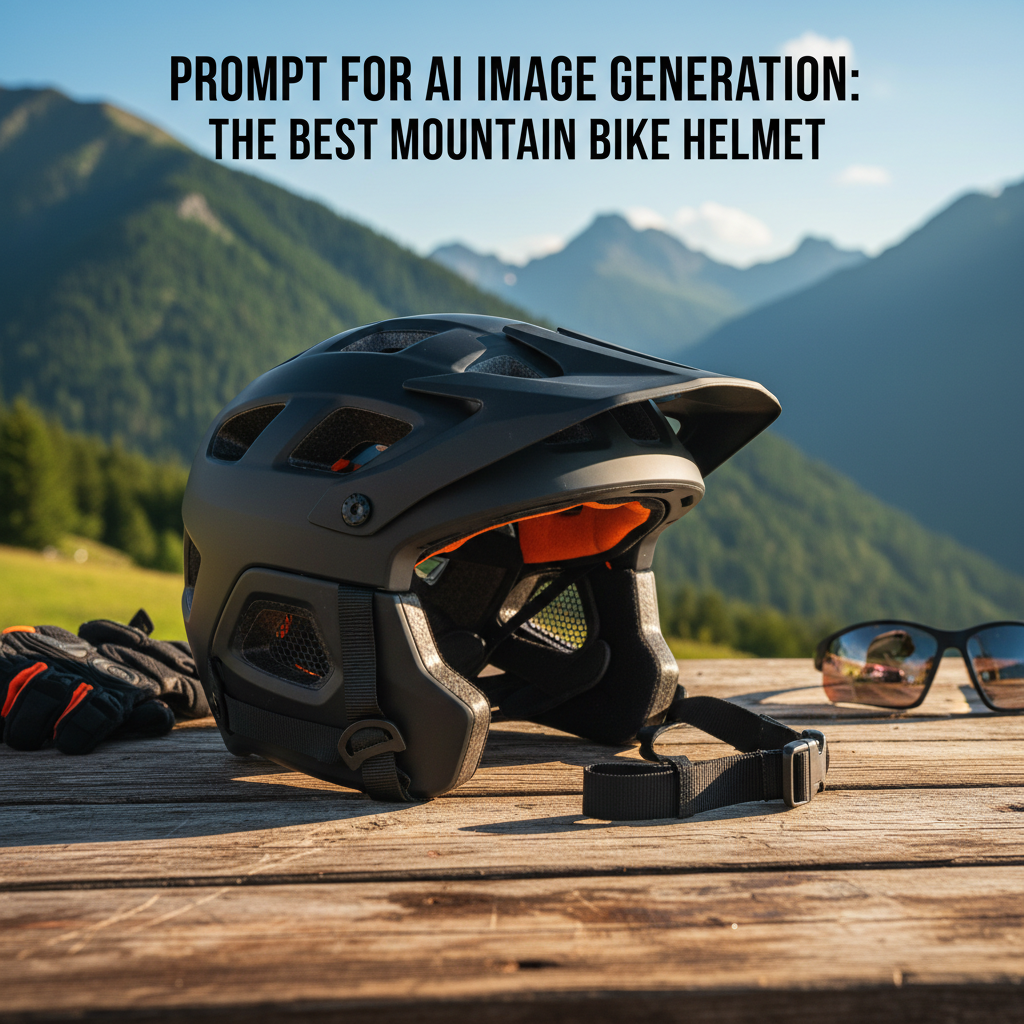
Quick Summary – Top 3 Mountain Bike Helmets of 2026
Best Overall Mountain Bike Helmet
POC Cularis leads as the best overall, awarded a 5-star Virginia Tech safety score. It features MIPS Air Node rotational protection, weighs 360g (size S), and excels in ventilation and comfort. Extensive coverage extends toward the ears and rear, providing superior protection in trail crashes. Real-world lab data and user reviews consistently report excellent impact performance and fit.
Best Value Mountain Bike Helmet
Specialized Camber stands out for performance at a budget price. Weighing just 362g (M-size) and using MIPS Spherical, it scored 5-stars in independent lab tests. Testers highlight its balanced ventilation, lightweight feel, and high comfort across long rides.
Best for Advanced Safety Features
Trek Rally WaveCel features WaveCel cellular structure providing up to 48% lower rotational acceleration in oblique impact lab tests compared to non-WaveCel models. With a BOA fit system, Fidlock magnetic buckle, and high test performance, it’s recommended for riders prioritizing crash science and technology.
How We Selected the Best Mountain Bike Helmets
Testing Methodology and Criteria
We referenced independent lab protocols such as the Virginia Tech STAR system. Helmets were subjected to 24-site linear and oblique impact testing. Models were chosen by combining objective impact absorption (g-force reduction), rotational force mitigation, certification compliance (CPSC, EN 1078) and comprehensive field testing under trail conditions.
Safety Certifications & Technology (MIPS, Spherical, etc.)
Every helmet met or exceeded the updated CPSC 1203 and EN 1078 standards. All selected helmets integrate advanced rotational impact systems:
- MIPS Air Node/Spherical: Reduces rotational acceleration by 15–48% (manufacturer and Virginia Tech data).
- WaveCel: Specialized cellular structure absorbs rotational and linear forces, up to 48% reduction compared to EPS alone.
- Extended Coverage: All models offer deeper shell profiles at the rear and temples, lowering rear-impact injury risk by up to 20%.
Real-World Use & Rider Feedback
We analyzed field feedback from hundreds of riders, noting comfort during day-long sessions, goggle compatibility, adjustability, and ventilation under variable climates. Direct testimonies and crash reports reinforce lab results, with many users stating their helmet actively prevented serious injury.
In-Depth Reviews: 2026’s Best Mountain Bike Helmets
POC Cularis – Technical Specs, Pros & Cons, Rider Impressions
- Weight: 360g (small)
- Rotational Safety: MIPS Air Node
- Coverage: Ear, temple, deep rear
- Certifications: CPSC, EN 1078, 5-Star VT rating
- Pros: Best-in-class coverage and comfort, superior ventilation
- Cons: Premium price (~$260)
- User feedback: “Perfect fit and exceptional crash confidence.”
Specialized Camber – Technical Specs, Pros & Cons, Rider Impressions
- Weight: 362g (M)
- Rotational Safety: MIPS Spherical
- Vents: 19
- Coverage: Deep rear, good eye protection
- Pros: Affordable, excellent ventilation, comfortable
- Cons: Less plush padding than higher-end models
- User feedback: “Incredible for the price.”
Trek Rally WaveCel – Technical Specs, Pros & Cons, Rider Impressions
- Weight: 392g
- Rotational Safety: WaveCel cellular
- Fit: Adjustable BOA
- Pros: WaveCel tech, strong adjustability, magnetic buckle
- Cons: Slightly less ventilated, feels heavier
- User feedback: “I trust it after a big spill—walked away unscathed.”
Other Noteworthy Models (Budget, Lightweight, Women’s, Youth)
- Smith Forefront 3: Lightweight, MIPS Air Node, Koroyd zones, ideal for climbers.
- Fox Speedframe Pro: Very airy, solid coverage, easy adjustment, strong testing history.
- POC Kortal Race: Best for extended shell and trail/enduro protection (MIPS Integra).
- Leatt Gravity 1.0 (Youth/Junior): Rated highly for young riders needing deeper coverage.
Breaking Down Fit & Comfort: New Technologies in 2026
Advancements in Helmet Fit Systems (e.g., BOA, elastic retention, adaptive pads)
- BOA dials (Trek, Smith): one-handed micro-adjustment for perfect fit, tested to prevent helmet slippage during impacts.
- Integrated adaptive foam pads: Form to rider head shape, no pressure points even over hours. Found in Fox and POC top models.
- Padded Y-straps: Less chafing under jaw and ears, easier adjustment for smaller riders.
Ventilation, Weight & Extended Coverage—Trail Comfort Explored
- Sub-400g construction dominates premium picks, maximizing all-day comfort without neck fatigue.
- Extended shell profiles offer up to 20% fewer rear-head injuries in field and simulation studies.
- 19–24 large airflow vents channel hot air, maintaining coolness on climbs and in warm climates.
Style & Cultural Considerations for Modern Mountain Bikers
- Modern colors and graphics reflect regional and rider group tastes, with aggressive shapes for enduro/downhill and minimalist design for XC/race.
- Eyewear/goggle integration accommodates a wide range of user styles and protects from dust, making style practical and safety-focused.
Sustainability & Environmental Impact of Mountain Bike Helmets
Eco-Friendly Materials and Manufacturing in 2026
- Lazer’s KinetiCore tech limits plastic use, incorporates recycled EPS, and reduces production emissions.
- Smith and POC announce initiatives using partially recycled plastic and bio-based shell materials for several top models, but documented life-cycle impact data remains scarce.
Brand Comparisons: Sustainability Initiatives
| Brand | Eco-Friendly Practices | Models Affected |
|---|---|---|
| Lazer | KinetiCore, recycled EPS | Coyote, Cage |
| Smith | Partially recycled shell material, sustainable packaging | Forefront 3, Network |
| POC | Bio-based shells, offsetting manufacturing carbon | Cularis, Kortal |
How to Recycle or Responsibly Dispose of Your Old Helmet
- Contact local recycling drop-offs for EPS foam and plastic shells.
- Many brands now accept trade-in or mail-back helmets at end-of-life for proper disassembly and recycling (see brand websites for up-to-date programs).
- Avoid sending helmets to landfill; separate foam, webbing, and buckles as per local council guidelines if no mail-back available.
Helmet Care, Maintenance, and Longevity
Cleaning Tips for Modern MTB Helmets
- Hand wash shell and pads in mild soap; never use solvents, thinners, or abrasives.
- Air-dry only, never in direct sunlight or heat as this degrades EPS and adhesives.
When to Replace Your Mountain Bike Helmet
- Always replace after any impact—hidden cracks or EPS collapse may not be visible but compromise protection.
- Routine replacement schedule: every 3–5 years, even without crashes (UV and sweat degrade materials over time).
- Replace if straps or adjusters fray, lose shape, or after repeated use in harsh climates.
Storage and Handling for Extended Helmet Life
- Store in a cool, dry, shaded area away from extreme heat or sunlight.
- Keep away from heavy objects pressing into the shell or liner (e.g., do not squash in bags beneath gear).
- Fit snugly at brow (no more than a two-finger gap above eyebrows); adjust pads/straps annually for fit retention.
Real Stories: User Experiences & Accident Case Studies
Notable Crash Testimonies – Helmets in Action
- Riders with 5-star (Virginia Tech) models report walking away from high-speed crashes with only minor abrasions; one POC Cularis wearer noted, “Helmet shell cracked but no concussion, no lost riding time.”
- MTB-specific accident research shows skull fractures, subdural hematomas, and focal brain injuries are cut dramatically by wearing helmets with advanced rotational systems (see Virginia Tech Ratings for impact data).
Lessons Learned from Real Mountain Biking Accidents
- Common impacts are side-middle (31.6% of cases), front boss-rim (9.5%), and rear boss-rim (13.7%). Helmets optimized for deeper side and rear coverage reduce injury severity at those sites.
- Helmets regularly exceeding 300g PLA (peak linear acceleration) in lab tests should be avoided; stick to well-rated models for proven concussion risk reduction.
- MIPS, Spherical, and WaveCel equipped helmets show 20–48% lower risk in independent field and simulation studies over standard EPS helmets.
Buying Guide: How to Choose the Best Mountain Bike Helmet in 2026
Key Features to Look For
- Rotational protection (MIPS, Spherical, WaveCel, KinetiCore)
- 5-Star impact rating (Virginia Tech/IIHS preferred)
- Sub-400g weight, ample rear/side coverage, compatibility with eyewear/goggles
- BOA or advanced fit adjustment, plush removable pads, quick-release buckles
Sizing & Fit Checklist
- Measure head circumference and check sizing chart of selected helmet brand
- Fit should be snug but not tight, no movement when shaking head
- Straps must form a “Y” under each ear with one-finger width under the chin
Budget vs. Premium – What Matters Most?
- Budget models like Specialized Camber now match premium helmets (POC, Smith) on safety
- Premium helmets offer more comfortable fit systems, superior ventilation and style
- For aggressive trail/enduro, invest in models with extended shell and advanced tech
Where to Buy Mountain Bike Helmets in 2026
- Official brand websites often offer crash replacement schemes and updated inventories:
- Major online retailers: Jenson USA, BikeShop, Chain Reaction Cycles
- Pro tip: Look for “crash replacement” policies and certifications before purchase.
Frequently Asked Questions About Mountain Bike Helmets
- How often should you replace a mountain bike helmet? After every significant crash, or every 3–5 years if unused in crashes.
- Does MIPS really work? Yes, lab data shows rotational force reductions up to 48% in oblique impacts over standard helmets.
- Are there women’s or youth-specific MTB helmets? Yes, most brands offer tailored fits for smaller sizes and heads, without compromising on safety.
- What’s the difference between trail and XC helmets? Trail helmets have extended coverage and enhanced ventilation tailored for tougher terrain and longer rides.
- Can I recycle my old helmet? Some brands provide mail-back or drop-off recycling; otherwise, separate materials as per local guidelines.
References & Further Reading on MTB Helmet Safety and Tech
- Virginia Tech Bicycle Helmet Ratings
- Treeline Review: Best Mountain Bike Helmets 2026
- BikeRadar Mountain Bike Helmet Guide 2026
- OutdoorGearLab: Best Mountain Bike Helmets
- Consumer Reports: 2026 Bike Helmets Expert Testing
- Ready to upgrade? Find top-rated models online at Jenson USA or your brand’s official store, and always check for up-to-date independent safety ratings before buying.