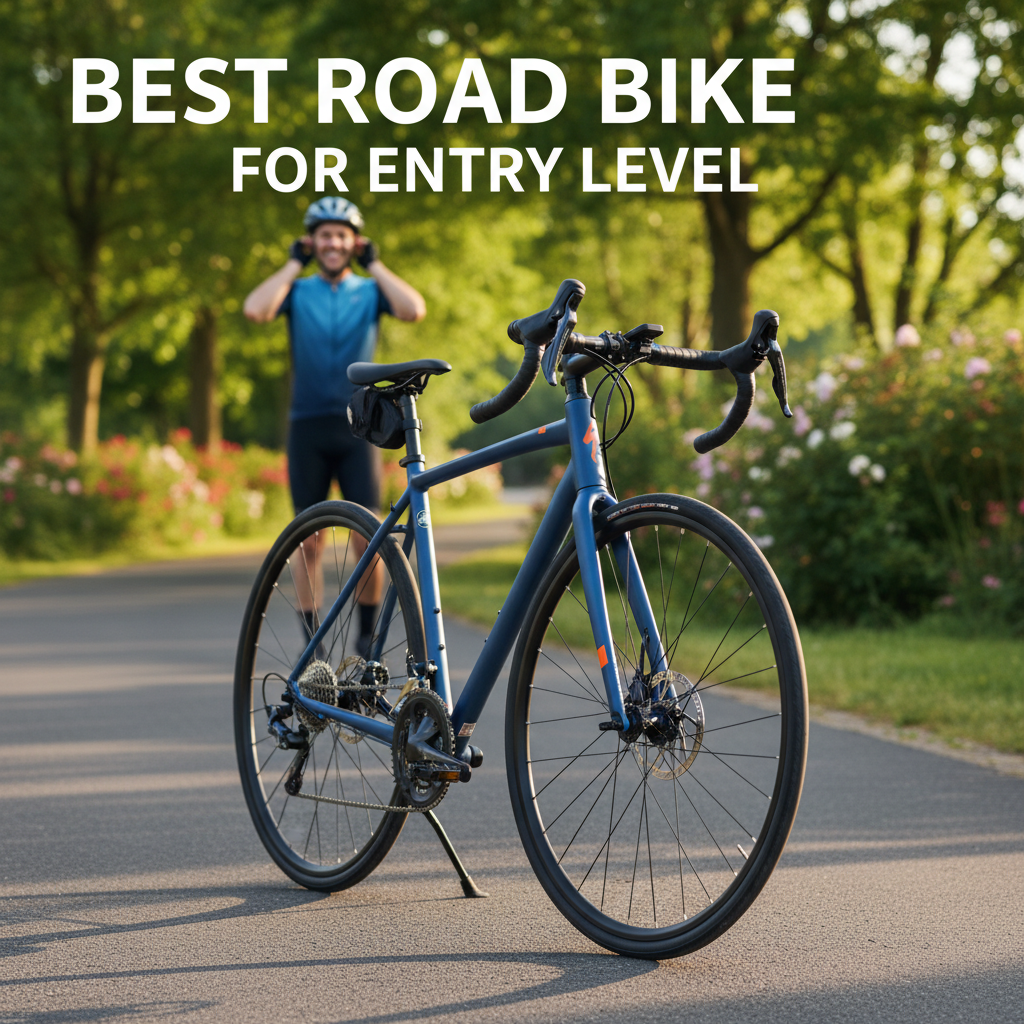
Quick Picks – The Top 3 Entry Level Road Bikes for 2024
Best Overall Entry Level Road Bike
Giant Contend AR 3: Aluminum frame, carbon fork, Shimano CUES groupset. Widely praised for its balanced ride quality, versatile tire clearance (up to 38mm), and potential for upgrades. Price: $1,000–$1,500. Extensive expert tests confirm its stability on descents and responsive handling, suitable for all road types.
Best Budget-Friendly Choice
Triban RC 500 (Decathlon): Features a Shimano Sora drivetrain, competent rim or disc brakes, and a versatile frame for varied terrains. Heavier but ranked highly for value. Price: ~$850. Testers cite reliable shifting and comfort, especially for those watching costs.
Best for Comfort and Long Rides
Trek Domane AL 2: Aluminum frame, Shimano Claris groupset, disc brakes, 32mm tires, and innovative vibration reduction (Future Shock). Price: under $1,500. Experts highlight exceptional comfort on rough roads, though climbing efficiency is slightly lower due to extra comfort features.
How to Choose the Best Road Bike for Entry Level Riders in 2024
Key Features Entry Level Riders Should Look For
- Frame Material: Lightweight aluminum with carbon fork for vibration damping and easier steering.
- Gearing: 8–12 speed (Shimano Claris/Sora/105) with wide-range cassettes for hills and flats; aim for sub-1:1 gear ratio on climbs.
- Brakes: Mechanical or hydraulic disc brakes, favored for reliability in all weather conditions.
- Wheels/Tires: Double-walled rims, 28–35mm wide tires, tubeless-ready options, with mounts for fenders/racks for extra utility.
- Geometry: Endurance-focused, relaxed design (taller head tube), prioritizing stability and comfort over aggressive racing posture.
Aluminum vs. Carbon Frames: Pros & Cons
| Aspect | Carbon (Pros) | Carbon (Cons) | Aluminum (Pros) | Aluminum (Cons) |
|---|---|---|---|---|
| Weight | 300–500g lighter (up to 1 lb/454g saved) | High-end carbon is costly, entry-level may not outperform modern aluminum | Very close in weight with hydroforming tech | Slightly heavier, slower on steeper hills |
| Stiffness/Ride Feel | Tunable and absorbs vibrations well | More easily damaged by impacts | Responsive, solid power transfer | Transmits more road buzz, less forgiving on rough roads |
| Durability | Indefinite fatigue life if uncrashed | Prone to invisible cracks after a crash | Bends instead of cracks, withstands knocks better | Fatigue can develop over years |
| Cost | Premium feel and performance edge | Expensive, limits funds for groupset/wheels | Affords better components at same budget | Marginal price difference gone after intense long-term use |
| Comfort | Reduces fatigue by 18–22% on endurance rides (older test data) | – | Good on smooth roads, improving with tech advances | “Burnout” more common during 100+ mile rides |
Most entry-level riders are advised to choose aluminum for best value and durability, unless the budget easily covers premium carbon without component compromises.
Disc Brakes, Gearing, and Modern Tech Explained
- Disc Brakes: Provide consistent stopping power in wet or dry; mechanical discs easier to maintain, hydraulic offer more modulation.
- Gearing: Wide cassettes (up to 32–34 tooth) allow easier hill climbing; compact chainsets (50–34 teeth) common in entry-level bikes.
- Modern Tech: Tubeless tires reduce flat risks and boost comfort; internal cable routing and thru-axles standard on many $1,000+ bikes; racks, fender mounts greatly improve all-road/adventure usability.
Essential Fit Guidance for All Body Types
- Frame size should give 1–2 inches clearance when standing over the top tube.
- Check reach: Arms should be slightly bent, back at roughly 45°; stem and saddle adjustments can fine-tune fit.
- Saddle height: Legs nearly straight (25° bend) at pedal low point—test for knee comfort when pedaling.
- Test ride: Ensure no knee or back pain, comfortable handlebar reach, and stable handling. Professional fitting highly recommended.
2024’s Best Entry Level Road Bikes – Full Reviews & Pros/Cons
Giant Contend AR 3: Overview, Specs, Pros, and Cons
- Frame/Fork: Aluminum with carbon fork
- Groupset/Brakes: Shimano CUES, disc brakes
- Tire Clearance: Up to 38mm
- Price: $1,000–$1,500
- Pros: Top-rated for versatility, upgrade potential, comfort, and reliable handling tested in group rides and variable terrain
- Cons: Slightly heavier than performance-only bikes; not as aggressive as pro race bikes
Triban RC 500 (Decathlon): Overview, Specs, Pros, and Cons
- Frame/Fork: Aluminum, straight fork
- Groupset/Brakes: Shimano Sora, rim/disc brakes
- Tire Clearance: 28–32mm
- Price: ~$850
- Pros: Best value in its class, highly regarded for shifting/braking, low maintenance
- Cons: Heavier frame, basic finishing kit
Specialized Allez: Overview, Specs, Pros, and Cons
- Frame/Fork: Aluminum, carbon fork
- Groupset/Brakes: Shimano Claris, disc brakes
- Tire Clearance: Up to 30mm
- Price: $1,200–$1,800
- Pros: Rigid yet comfortable ride, performance geometry, race-ready feel, top-rated for pavement
- Cons: Less comfort on rougher gravel; higher-end models may stretch budgets
Trek Domane AL 2: Overview, Specs, Pros, and Cons
- Frame/Fork: Aluminum, vibration-dampened fork
- Groupset/Brakes: Shimano Claris, disc brakes, Future Shock
- Tire Clearance: 32mm
- Price: <$1,500
- Pros: Premium comfort, future-proof features, stable for all riders and long distances
- Cons: Bouncier ride on hills, slightly heavier than rivals
Liv Avail AR 3 (for women/all-genders): Overview, Specs, Pros, and Cons
- Frame/Fork: Aluminum, women’s-specific geometry
- Groupset/Brakes: Shimano, disc brakes
- Tire Clearance: Up to 38mm
- Price: <$1,500
- Pros: Best fit for female riders, endurance geometry, easily adjusted fit
- Cons: Limited to fewer high-end upgrade options
Tommaso Imola/Forcella: Overview, Specs, Pros, and Cons
- Frame/Fork: Aluminum, carbon fork
- Groupset/Brakes: Shimano Claris, rim brakes
- Tire Clearance: 25–28mm
- Price: $800–$1,200
- Pros: Lightweight, rapid gear changes, comfort
- Cons: Customer service varies, basic accessories
Budget Breakdown – What to Expect and How to Get the Most for Your Money
True Entry Level Price Ranges in 2024
- Best entry-level bikes: $800–$1,400 dominates the segment
- Performance upgrades: $1,400–$2,400 brings better groupsets, carbon forks, and tubeless-ready wheels
Sales and promotions significantly reduce out-of-pocket costs. Used bikes from major brands can deliver premium value under $1,000—with the caveat of careful inspection.
Essential Accessories First-Time Riders Need (and Their Cost)
| Accessory | Purpose | Estimated Cost (USD) |
|---|---|---|
| Helmet | Head protection | $50–$150 |
| Cycling shoes + pedals | Efficient pedaling, clipless system | $80–$200 |
| Bike lights | Visibility for commuting or any ride | $20–$60 |
| Lock | Theft prevention | $30–$100 |
| Padded shorts/jersey | Comfort for longer rides | $50–$120 |
| Floor pump + multitool/tubes | Basic maintenance and repairs | $30–$70 |
Total starter kit: $200–$400 for essentials.
Building Your Starter Kit: Helmet, Shoes, Tools & More
- Begin with a CPSC-certified helmet and visible, fitted clothing.
- Choose comfortable shoes and compatible pedals for safety and efficiency.
- Carry basic tools and a spare tube to handle roadside fixes.
- Don’t neglect locks and lights if commuting or urban cycling is planned.
New for 2024: Best Entry Level Electric Road Bikes
Top E-Road Bike Picks for Beginners
- Ride1Up CF Racer 1: $3,000–$4,000. Full carbon frame, TQ-HPR50 mid-drive motor (50Nm), 24-speed Shimano 105 Di2, 32/40mm tire compatibility. Best for budget-conscious e-road beginners, highly praised for low weight and natural pedal feel.
- Cannondale Topstone Neo SL 2: $3,625. Alloy frame, mid-drive motor, Shimano GRX, hydraulic disc brakes, 700x42c tires. Top versatility for paved and gravel, stable for first-time e-riders.
- Bianchi Impulso E-Road: ~$5,500. Upright endurance geometry, punchy motor, mounts for racks/fenders, forgiving for fitness building.
Pros, Cons & Special Considerations for Electric Road Bikes
- Pros: Boosts speed and range (30–50 miles/charge typical), reduces fatigue, helps riders build fitness gradually, removes barrier of hilly terrain. Lightweight designs now accessible to beginners.
- Cons: High cost (most $3,000+), need for routine battery charging, requires basic setup/maintenance skills; can be intimidating for first-time users.
- Special Advice: Select removable battery for easy charging, prioritize bikes with wider tires and hydraulic brakes, demo test recommended before purchase.
Common Beginner Mistakes & What to Avoid in Your First Road Bike
Buying Too Much (or Too Little): Honest Advice
- Over-buying: Don’t pay for carbon or pro-level parts at the expense of fit and component balance. Invest in quality across the board, not just in one area.
- Under-buying: Don’t get stuck with a bike lacking essential features (decent tires, reliable brakes, modern gearing).
- Always check fit before committing.
- Match the bike to your primary riding goal—avoid off-road models unless you will use them for mixed surfaces.
Upgrade Paths: When and What to Improve First
- First upgrades: Wheels/tires (for weight and ride quality), saddle for long distance comfort, pedals matching shoe system.
- Component quality (consistent groupset, not “mix and match”), disc brakes over rim if possible for longevity and ease of use.
- Consider gear range and spoke/wheel durability based on body weight and terrain.
Frequently Overlooked Specs or Features
- Wheels/spokes count for heavier riders
- Brake system (disc with thru-axle preferred)
- Realistic gear ratios for your local hills
- History and condition (if used), especially for carbon frames
Essential Maintenance & Safety Tips for Entry Level Road Bike Owners
Basic Maintenance Checklist for New Riders
- Before every ride: Air (tire PSI), Brakes (pad/lever check), Chain (clean/lubed). This “ABC check” prevents most reliability issues.
- Weekly/Bi-weekly: Clean frame and drivetrain, relube chain, check for unusual noises or drag.
- Monthly: Tighten bolts, check for rust/frayed cables, true wheels if wobbling.
- Every 6–12 months (or heavy use): Full inspection for cracks/damage, service or replace cables/chains, regrease bearings.
How to Stay Safe on the Road
- Do the pre-ride ABC check every time – low tire pressure or weak brakes are crash risks.
- Always wear a properly-fitted helmet and visible clothing.
- Obey traffic laws, signal turns, and avoid distractions.
- Carry spare tube, patch kit, pump, and multitool – all essential for roadside fixes.
- Track all maintenance; see a pro mechanic twice a year for tune-ups if unsure.
FAQ: Entry Level Road Bike Choices Answered
- What should a beginner road bike cost?
$800–$1,400 for basic models; $1,500–$2,400 for better components and features. - What’s the best type of entry-level road bike?
Endurance and all-road bikes with relaxed geometry are ideal. Gravel bikes also work for more terrain versatility. - Aluminum or carbon?
Aluminum offers best value/durability for first-time buyers; carbon is lighter but may require component/fitting sacrifices below $2,000. - What components matter most?
Groupset quality (Shimano Claris/Sora/105), wide tire compatibility (28–32mm), disc brakes for safety/control. - What accessories are needed?
Helmet, pedals and shoes, lights, lock, pump, multitool, and spare inner tubes. - How should I start riding?
Begin with flat, 25–30 km routes, focus on comfort and handling before attempting hills or group rides.
Ready to get started? Shop top entry-level road bikes at Giant, Specialized, Trek, or Decathlon. For deeper research, check official buyer’s guides at Cycling Weekly, BikeRadar, and CyclingNews.
Tip: Consult with local dealers for fits and demo rides—your comfort and fit are as important as the model!