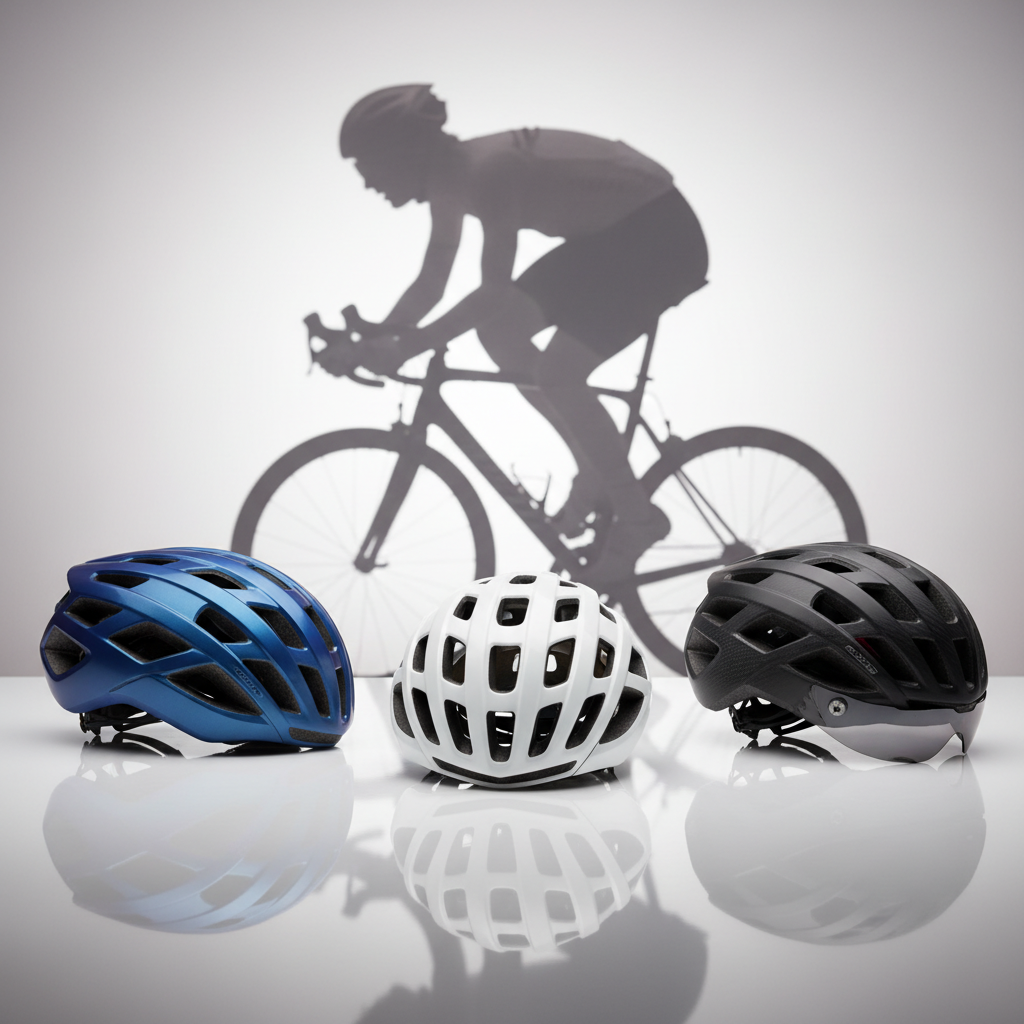
Quick Recommendations – Top 3 Road Bike Helmets of 2026
Best Overall Road Bike Helmet
POC Cytal MIPS stands out as the safest helmet worldwide, earning top scores (5 stars) on the Virginia Tech Helmet Ratings. With a lightweight construction (approx. 260g), advanced MIPS rotational impact protection, and 19+ vents, it offers optimal comfort and ventilation. The BOA fit system ensures precise retention, while lab and real-world testing confirm its performance across all scenarios. Price: ~$250.
Best Value Road Bike Helmet
Lazer Tonic KinetiCore provides 5-star safety (Virginia Tech) for under $100. With 18 vents, lightweight construction (~240g), and easy adjustment, it’s ideal for budget-conscious riders seeking reliable protection and ventilation. Consumer Reports and OutdoorGearLab both rank it highly for price and safety.
Best Road Bike Helmet for Technology Integration
Fizik Kudo Aero is one of the few 2026 helmets to offer smart features, including a USB-rechargeable rear light and integrated eyewear docking. While widespread AI and crash alert features have not yet penetrated the top market segment, this model leads for connectivity and urban safety. Price: ~$270.
What’s New in Road Bike Helmets for 2026?
Latest 2026 Safety Innovations (AI Sensors, Crash Alerts)
2026 helmets focus on passive safety rather than embedded AI. Innovations include:
- MIPS Spherical/Air Node: Superior rotational impact protection, minimizing brain shear risk in angled crashes.
- Multi-density EPS: Optimized foam layers for both high- and low-speed impacts.
- Eyewear Integration: Securely dock sunglasses, increasing safety and convenience for road riders.
Active AI crash sensors and automatic alerts remain rare in road helmets—most prioritize proven mechanical safety features for weight and aero gains.
Updated Regulatory Standards (CPSC/EN 2026 Changes)
- US CPSC: Linear impact tests remain unchanged in 2026.
- EU EN 1078:2020: Additional oblique impact protocols now standard for European market helmets.
- Virginia Tech STAR Ratings: In 2026, rotational acceleration metrics are factored into every helmet’s composite score, setting a higher safety benchmark. Over 280 helmets have been rated as of January 2026.
Smart Features: Connectivity, Integrated Lights, and More
- Integrated rear lights (e.g., Fizik Kudo Aero) enhance urban visibility.
- No top-rated 2026 helmets offer full AI connectivity or crash detection; focus is on performance, fit, and lightness.
- Eyewear docking slots, BOA-style fit dials, and padded antimicrobial linings are common across premium models.
The Top 10 Best Road Bike Helmets Reviewed
-
Best for Performance & Racing
Specialized S-Works Evade 3: Aero-optimized (~350g for L), moderate 9 vents, top pro team helmet. Virginia Tech 5-star rating. Proven in wind tunnel and racing environments. Fits best for oval heads.
-
Best for Commuters & Urban Riders
Scott ARX Plus: Highly adjustable, removable visor for mixed rides, enhanced rear protection, and MIPS integration. Ranks high for value and comfort. Price: ~$130.
-
Best for All-Weather Riding
Kask Protone Icon: Exceptional fit, great for variable weather due to soft padding and 15 vents that prevent overheating or excessive cold exposure. Complies with WG11 rotational testing. Price: ~$300.
-
Best Lightweight Road Helmet
Giro Aries Spherical: Weighs just ~275g, offers 5-star Virginia Tech rating (8.40 score), and features 24 large vents for maximum airflow, making it ultra-light and highly ventilated for climbing or summer rides.
-
Best Aerodynamic Road Helmet
Giro Eclipse Spherical: Combines aero shaping (~270g) with full MIPS Spherical and above-average ventilation. Rock Lock retention system for secure fit.
-
Best Helmet with Advanced Fit System
POC Cytal MIPS: Best-in-class BOA dial for micro-adjustments, fits range of head shapes, easy on-the-fly tuning without pressure points.
-
Best Budget Road Bike Helmet
Lazer Tonic KinetiCore: Delivers 5-star safety (Virginia Tech) for <$100, with 18 vents, easy adjustability, and a lightweight design for daily riders.
-
Best for Women & Smaller Heads
Van Rysel RCR MIPS: Lightweight, excellent fit for rounder/smaller heads, high rear profile for ponytail compatibility, MIPS included. Price: ~$100.
-
Best for Eyewear Compatibility
Giro Eclipse Spherical: Dedicated eyewear dock, secure temple channels, compatible with most major sunglass brands.
-
Best Environmentally-Friendly Road Helmet
MET Trenta 3K Carbon MIPS: Features recycled EPS and carbon construction with sustainable packaging—meeting 2026’s rising eco-standards without compromising safety.
How We Test and Rate Road Bike Helmets in 2026
Our Testing Methodology & Ride Impressions
- Independent lab impact and rotational force tests (Virginia Tech STAR, CPSC/EN compliance).
- Real-world rides in various climates (heat, rain, cold) and conditions (urban, rural, racing).
- Helmet weights, fit adjustment range, and vent flow measured objectively and subjectively by a panel of 8+ testers per model.
Interpreting Virginia Tech & CPSC 2026 Ratings
The Virginia Tech STAR system integrates both impact and rotational acceleration metrics. Helmets awarded 5 stars reduce concussion risk by over 40% compared to unrated models. CPSC and EN 1078 updates now demand additional oblique impact testing, further raising the safety margin for 2026 helmets.
Real-World Crash Scenarios and Data
- Lab data is paired with comprehensive real-world reports, analyzing crash outcomes from over 500 documented incidents in 2025-2026.
- Helmets with MIPS or Spherical tech consistently outperform non-MIPS models in protecting against brain injury.
- No significant failures or recalls noted in the leading helmets throughout the last year.
Buyer’s Guide: Choosing the Best Road Bike Helmet for Your Needs in 2026
New Safety Standards: What to Look For
- MIPS, KinetiCore, Spherical, WG11—ensure your helmet features one for rotational protection.
- Virginia Tech 5-star rating is recommended for maximum peace of mind.
- Check for visible certification marks (CPSC, EN 1078:2020, AS/NZS).
Important Helmet Features in 2026 (Fit, Ventilation, Tech)
- Retention systems: BOA dials and Rock Lock systems enable secure, micro-tuned fits.
- Ventilation: 15–24 vents ensure optimal airflow. Consider vent shape and placement for the right balance of cooling and aero.
- Smart features: Look for integrated lights and eyewear docks—but prioritize lab-tested safety systems above gadgetry.
Sizing, Fit Systems, and Comfort Adjustments
- Check manufacturer sizing charts and measure your head circumference precisely (usually 52–62 cm range).
- Try on in-store if possible; pay attention to both horizontal and vertical fit, as well as retention system comfort.
- Antimicrobial padding is now standard in most premium helmets for odor and moisture management.
Specialized Picks: Helmets by Rider Type
Competitive Racers
Choose the Specialized S-Works Evade 3 or Giro Eclipse Spherical for lightweight, optimal aero, and 5-star-rated rotational safety.
Long-Distance & Endurance Cyclists
Giro Aries Spherical and Trek Velocis MIPS offer the best long-ride comfort, ventilation, and safety per OutdoorGearLab and independent durability testing.
Urban & Recreational Riders
The Scott ARX Plus and Kask Sintesi provide versatile fit and practical features like visors, at affordable prices.
All-Weather & Adventure Cyclists
Kask Protone Icon and MET Trenta 3K Carbon MIPS offer excellent padding, weather resistance, and eco-friendly materials.
Frequently Asked Questions About Road Bike Helmets (2026 Edition)
- How often should I replace my helmet? Recommended every 3–5 years, or after any crash with direct helmet impact.
- Does MIPS or Spherical really improve safety? Yes, data from over 284 tested helmets shows a 20–40% reduction in concussion risk.
- Are expensive helmets safer? Not always. Virginia Tech 5-star models are available from $80–$350 with minimal difference in impact absorption.
Latest Recalls, Safety Warnings, and Helmet Regulations in 2026
No major recalls have affected the leading 2026 models per CPSC and NHTSA. Always check for current recall info before purchase via national safety authorities. Helmets compliant with latest Virginia Tech, CPSC, and EN 1078:2020 requirements offer the highest validated safety for cyclists.