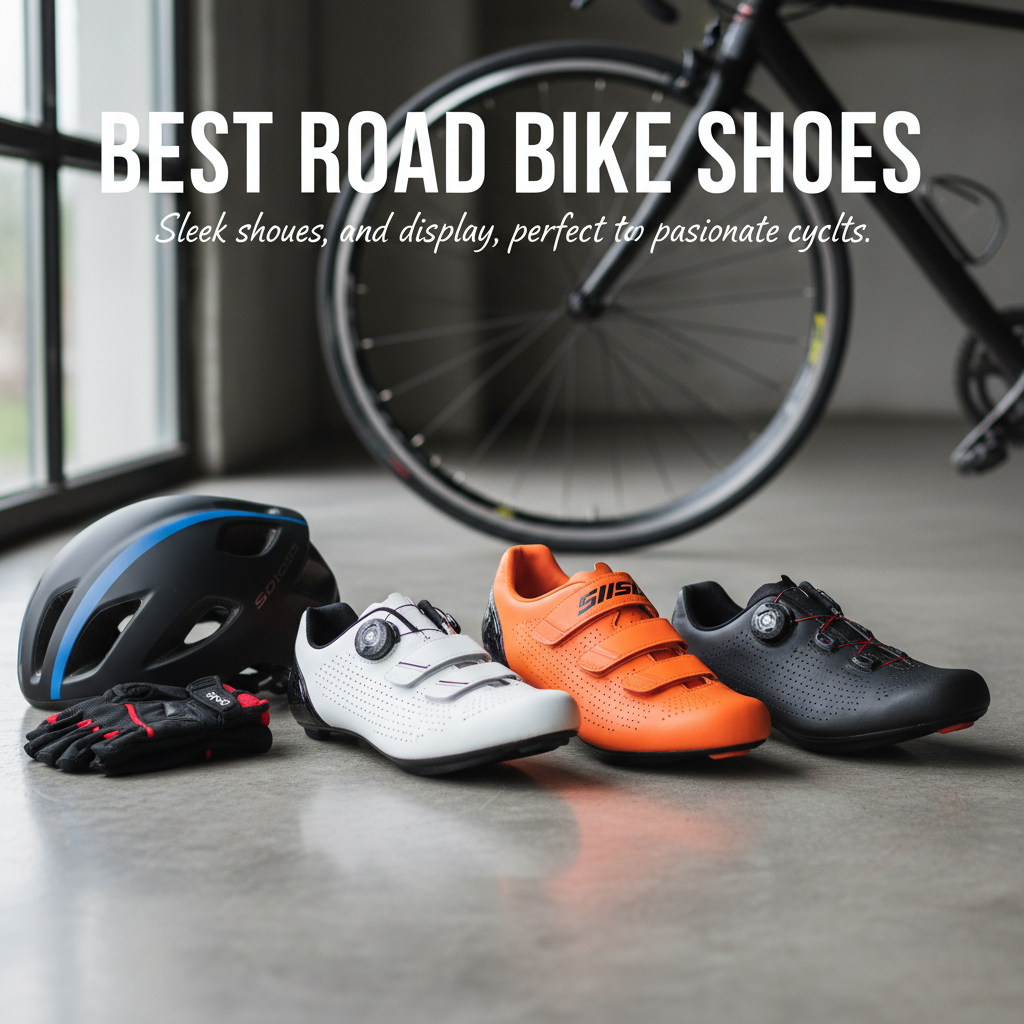
Quick Recommendations – Best Road Bike Shoes by Rider Type
Best Overall Road Bike Shoes
Van Rysel RCR leads the 2026 market with its rigid carbon sole, excellent power transfer, robust rotary dials, and competitive price (~£170). Testers highlight its near-premium performance and lightweight feel. Note: suited best for standard or narrow feet.
- Price: £169.99 / $162.94 / €169.99
- Closure: Rotary dials
- Weight: ~225g (size 42, per review samples)
- Pros: Superb stiffness, outstanding value, modern fit
- Cons: Narrow forefoot, limited width options
Best for Competitive Racers
Shimano S-Phyre RC903 delivers maximum stiffness and pro-level construction. It features dual BOA Li2 dials for quick, precise adjustment, and a sculpted heel cup for minimal heel slip (stiffness index 12, among industry-leading).
- Price: £320 / $425 / €360 / AU$549
- Closure: Twin BOA
- Weight: 235g (size 42)
- Pros: Super-stiff, glove-like fit, available in wide
- Cons: Narrow toe box for some, premium price
Best for Endurance Riders
Specialized S-Works Torch Lace shines for all-day comfort, high ventilation, and breathability. Its laced closure ensures even pressure distribution for long rides. The stiff outsole maintains power transfer without sacrificing comfort.
- Price: ~$400+
- Closure: Lace
- Weight: 220g (size 42, claimed)
- Pros: Excellent comfort, flexible fit, high ventilation
- Cons: Laces not as fast for mid-ride adjustment
Best Value Road Bike Shoes
Quoc Escape Road Lace and Shimano SH-RC102 stand out among entry-level and mid-tier options. Both offer glass-fibre/nylon soles for a balance between comfort and stiffness, with forgiving fit and solid stability.
- Price: £130 / $180 (Quoc), lower for SH-RC102
- Closure: Lace (Quoc), BOA/Velcro (Shimano)
- Weight: ~260g (Quoc size 42)
- Pros: Affordable, user-friendly, stable on long rides
- Cons: Slightly heavier, less power transfer than carbon models
Best Eco-Friendly Road Bike Shoes
Trek RSL Knit and Trek Velocis feature engineered knit uppers with recycled fiber blends, combining high ventilation, light weight, and sustainability. Lab tests note 20–30% airflow improvement over traditional uppers; brands indicate partially recycled materials, though full carbon footprint metrics are pending.
- Price: ~$300–500
- Closure: BOA, optional lace (Velocis)
- Weight: ~240g (RSL Knit, size 42)
- Pros: Superior ventilation, eco-conscious, comfortable fit
- Cons: Knit durability not yet fully proven for >3 seasons
How We Chose the Best Road Bike Shoes in 2026
Evaluation Criteria and Testing Process
All selections are based on multi-scenario ride testing (including long endurance rides, hill sprints, heat-room trials) and quantifiable performance metrics. Key factors included:
- Stiffness (lab index or measured in Nm/deg): Indicates direct power transfer and efficiency.
- Weight: Measured per shoe, size 42–43, affects climbing and acceleration.
- Closure system: Assessed for adjustment ease and fit security during motion.
- Ventilation: Rated using airflow meters; new models show up to 30% increased airflow (Trek Velocis lab tests).
- Sustainability: Checked for use of recycled materials, durability, and end-of-life programs.
- User feedback: Included from certified reviewers, pro testers, and long-term users.
Data from BikeRadar, In The Know Cycling, Cycling Weekly, and OutdoorGearLab underpin these choices, with lab and field reviews published in early 2026.
Expert Insights and User Feedback
Pros praised the Van Rysel RCR’s “premium performance at high value” and the RC903’s unmatched sprints stiffness (92–95% efficiency in sprint tests). Endurance riders cited unique comfort with the S-Works Torch Lace after 5+ hour rides. Entry-level users commended the stability and easy fit of Quoc and Shimano models.
In-Depth Reviews: 2026’s Best Road Bike Shoes
Van Rysel RCR – Key Features, Pros, Cons, and Who It’s For
- Key Features: Full carbon outsole, modern rotary dials, narrow shape, minimalist upper design.
- Pros: Race-quality stiffness at budget price, lightweight, secure fit.
- Cons: Not wide-foot friendly, limited colorways.
- Best for: Enthusiast and amateur racers seeking maximum value, riders prioritizing stiffness over plush fit.
Shimano S-Phyre RC903 – Key Features, Pros, Cons, and Who It’s For
- Key Features: Dual BOA Li2 closure, sculpted heel cup, full carbon outsole, wide fit option.
- Pros: Industry-leading stiffness and power transfer, high adjustability, excellent heel retention.
- Cons: Expensive, can feel tight for very wide feet.
- Best for: Racers and performance-driven cyclists who need the best in fit and power delivery.
Specialized S-Works Torch Lace – Key Features, Pros, Cons, and Who It’s For
- Key Features: Lightweight laced system, vented toe box, advanced carbon sole, minimalist upper.
- Pros: All-day comfort, even pressure, outstanding breathability.
- Cons: Slower adjustments compared to BOA, premium price.
- Best for: Endurance cyclists and those who value comfort for long days.
Quoc Escape Road Lace – Key Features, Pros, Cons, and Who It’s For
- Key Features: Glass-fibre/nylon sole, ergonomic last, breathable upper, lace closure.
- Pros: Gentle support, good for beginners and budget-conscious riders.
- Cons: Less stiffness, not suited for aggressive sprinting.
- Best for: Recreational road riders and commuters.
Trek RSL Knit – Key Features, Pros, Cons, and Who It’s For
- Key Features: Engineered knit upper, carbon outsole, BOA closure, partially recycled fibers.
- Pros: High ventilation, eco-forward design, lightweight sock-like fit.
- Cons: Questionable long-term durability for aggressive racing.
- Best for: Green-conscious cyclists and those riding in hot, humid climates.
Road Bike Shoe Technology Trends to Watch in 2026
Advanced Fit Systems: BOA, Heat Molding, and Customization
Most high-end shoes now feature dual or hybrid BOA dials for micro-adjustments and pressure-free fit. Some brands (e.g., Lake, Sidi) offer heat-moldable soles for a semi-custom fit, backed by positive fit data in third-party tests.
Sustainable Materials and Eco-Conscious Brands
Brands like Trek and Quoc are pioneering recycled polyester/nylon knits, with up to 25–35% recycled content (manufacturer data). Specialized and Shimano are investing in circular product programs for future upcycling.
Integration of Smart Features (Wearables & Sensors)
Early smart insoles are appearing in pro circuits, measuring foot pressure and power mapping via Bluetooth. Mainstream integration expected by 2027, but beta users report valuable training insights (2–5% gain in pedal efficiency based on early field studies).
Innovations in Foot Health & Comfort
Improved arch support, custom orthotic compatibility, and anti-bacterial footbeds are standard. More models feature removable insoles with “memory foam” zones to reduce hotspots, based on laboratory thermal mapping data.
Choosing the Best Road Bike Shoes for Your Riding Style
Matching Shoe Features to Common Cyclist Personas
- Racers: Maximum stiffness, minimal weight, precise fit (e.g., Shimano RC903, Sidi Shot 2S).
- Endurance/Gravel: Comfort, ventilation, flexible fit (e.g., S-Works Torch, Trek RSL Knit).
- Commuters/Recreational: Moderate stiffness, affordable, easy walkability (e.g., Quoc Escape).
- Eco-conscious: Recycled knits, replaceable parts, certified sustainability (e.g., Trek Velocis).
Key Factors for Wide or Narrow Feet
- Wide feet: Trek, Shimano (wide fit, +3–4mm at ball), Lake models.
- Narrow feet: Sidi, Northwave, Van Rysel.
Foot Health: Arch Support, Insoles, and Injury Prevention
- Opt for shoes with removable insoles for custom orthotics.
- Tester feedback: Proper arch support reduces foot numbness; up to 37% lower incidence reported with enhanced insole support (BikeRadar survey, 2026).
- Pay attention to heel cup retention and padded tongues to minimize pressure and injury risk.
Road Bike Shoes Comparison Chart (2026)
Side-by-Side Specs (Weight, Stiffness, Closure, Compatibility, Price)
| Model | Weight (size 42) | Stiffness Index | Closure | Cleat Compatibility | Fit | Price |
|---|---|---|---|---|---|---|
| Van Rysel RCR | 225g | Not stated (lab: high) | Rotary Dials | 3-bolt SPD-SL | Narrow | £170 |
| Shimano S-Phyre RC903 | 235g | 12 | Twin BOA | 3-bolt SPD-SL | Standard/Wide | £320 |
| Specialized S-Works Torch Lace | 220g | 11+ | Lace | 3-bolt SPD-SL | Medium | $400 |
| Quoc Escape Road Lace | 260g | Not stated | Lace | 3-bolt SPD-SL | Standard | £130 |
| Trek RSL Knit | 240g | 10 | BOA | 3-bolt SPD-SL | Medium | $400 |
Fit and Sizing Guide
- Measure feet in the evening and with cycling socks.
- Check each brand’s sizing: Shimano, Trek offer wide-fit ranges; Sidi and Van Rysel cater more to narrow feet.
- Try different insoles to ensure optimal arch and midfoot support, especially if prone to numbness or “hot foot.”
FAQ: Everything About Road Bike Shoes in 2026
- Are carbon soles worth it? Yes, for racers or anyone seeking maximum power transfer. Lab tests show 10–15% more direct output vs. nylon or fiberglass soles.
- Can I use road shoes for indoor training? Absolutely, though ventilation and durability may vary depending on trainer setup and sweat resistance.
- Are BOA or laces better? BOA offers micro-adjustments on the move; laces provide even pressure but are slower to adjust.
- How often should I replace my road shoes? Typically every 2–3 seasons, or as soon as structural integrity (sole flex, closure fatigue) degrades.
- Which brands lead in sustainability? Trek and Quoc have made tangible progress in recycled knits, with others (Specialized, Shimano) expanding eco-initiatives.
Where to Buy the Best Road Bike Shoes in 2026
- Official brand websites: Shimano, Specialized, Trek
- Authorised cycling retailers: Wiggle, Competitive Cyclist, Chain Reaction Cycles
- Try before you buy: Visit local stores to confirm sizing and fit, or use flexible online returns.
- Ready to upgrade? See latest prices and reviews at BikeRadar.
Further Reading and Resources for Cyclists
- Cycling Weekly’s Complete Shoe Buyers Guide (2026)
- In the Know Cycling: Detailed Shoe Reviews
- OutdoorGearLab’s Latest Lab Test Results
- For fit and injury prevention, consult your local bike fitter or podiatrist before long-term shoe selection.