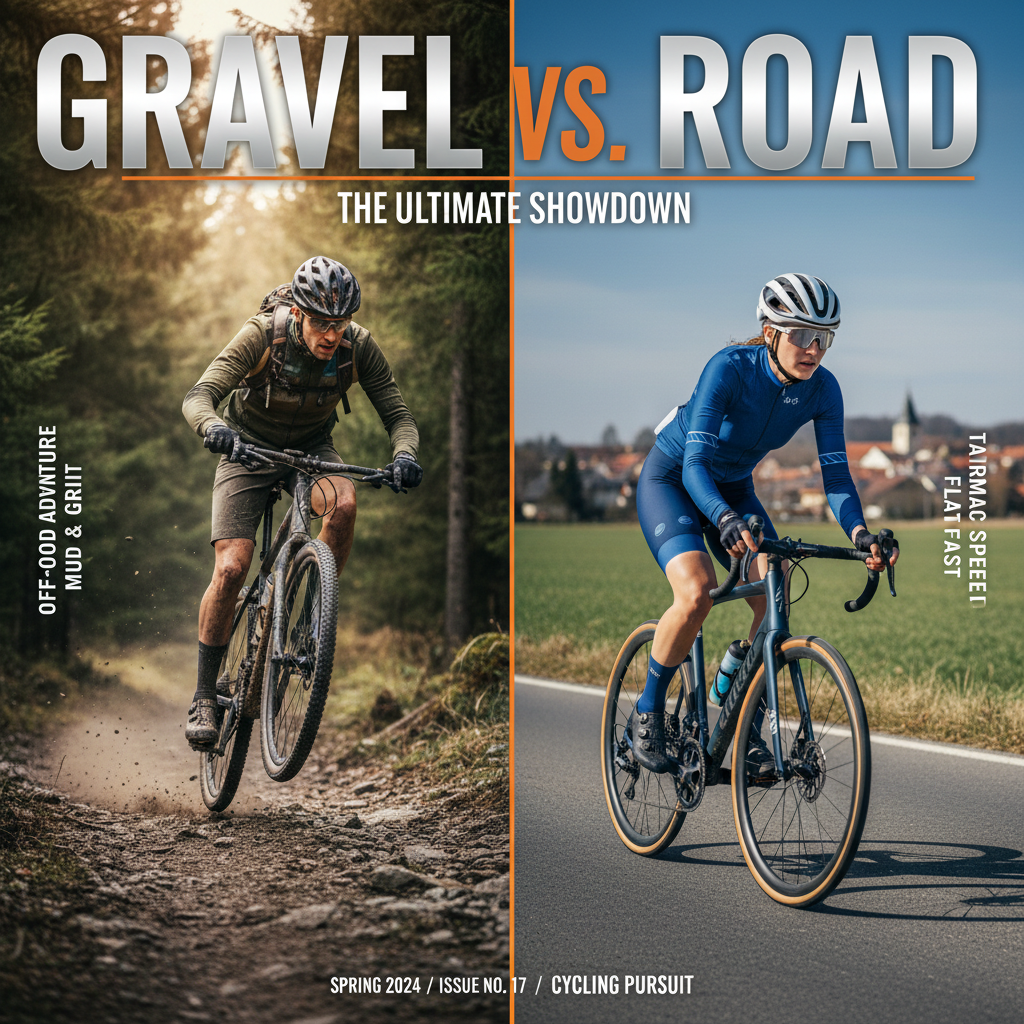
Quick Picks – Best Bike Type for Every Rider in 2026
Best for Commuters
Choose a road bike for speed and efficiency on paved routes. 2026 models feature 30–32mm tires for comfort on rough city roads. Gravel bikes, fitted with slick 35–40mm tires, are a viable choice for mixed surfaced commutes, offering stability and mounts for racks and mudguards (REI 2026).
Best for Adventure Seekers & Bikepackers
Gravel bikes dominate, providing wider tire clearance (up to 57mm), relaxed geometry, and multiple mounts for bags/panniers. Their stability and low gearing are ideal for long, loaded trips (Cycling Weekly 2026).
Best for Speed & Performance Enthusiasts
Opt for a road bike. Advanced carbon frames, aero tube profiles, and aggressive geo let you maximize speed and responsiveness. Top 2026 road bikes: Giant TCR Advanced SL, BMC Roadmachine. For gravel race events, choose aero-focused gravel bikes with 45–50mm tires (BikeRadar).
Best for Beginners
Entry-level gravel bikes are more affordable (from £650), stable, and versatile for various surfaces. Road bikes require more experience for handling and are less forgiving for new riders (BikeRadar 2026).
Best for Sustainability-Conscious Cyclists
Steel or titanium gravel bikes offer longevity and repairability over carbon road bikes. Brands like J Laverack and Genesis emphasize sustainability by using more durable materials (Velo).
Gravel Bike vs Road Bike: The 2026 Comparison Table
| Feature | Gravel Bike | Road Bike |
|---|---|---|
| Frame Geometry | Relaxed, stable, longer wheelbase | Aggressive, responsive, shorter wheelbase |
| Tire Clearance | Up to 57mm (MTB-style, semi-/full tread) | 30–40mm (slicks on smooth surfaces) |
| Comfort Features | Suspension seatposts, shock-absorbing forks, upright posture | Minimal, focused on stiffness, lower stack |
| Gearing | Wide-range 1x/2x drivetrains, lower gearing for climbs | Higher gearing, closer steps, 2x setups |
| Mounts & Versatility | Multiple mounts (racks, fenders, cages) | Minimal (mainly bottles) |
| Purchase Price (2026) | £650–£3,000+; sub-£2,000 accessible | £1,600+ entry, £11,000+ premium |
| Weight | 9–11kg (alloy & carbon); titanium/steel higher | 7–9kg (carbon models dominate) |
| Sustainability | Steel/Ti options; longer life, better recyclability | Mainly carbon/aluminum, less recyclable |
Core Differences: Geometry, Tires, Comfort & Handling
Frame Geometry and Riding Position
Gravel bikes feature a longer wheelbase and slacker head angle, increasing stability off-road. Road bikes focus on short wheelbases and steep angles for quick handling. Measured stack-to-reach ratios: gravel (1.55–1.65), road (1.35–1.45), promoting more upright riding on gravel (REI).
Tire Innovations & Wheelsets in 2026
2026 gravel bikes adopt tubeless, 45–57mm tires with advanced inserts for lower pressures and pinch-flat prevention. Road endurance bikes clear 40mm for comfort. Wider tires now merge benefits—gravel for grip and compliance, road for rolling speed. New models (Canyon Grail, BMC URS) showcase these specs (Cycling Weekly).
Comfort and Vibration Damping Advances
Technology like IsoSpeed decouplers and suspension seatposts (20–40mm travel) dominate in 2026, reducing rider fatigue on rough surfaces. Carbon layup techniques in bikes like Trek Checkpoint SL further absorb shock without sacrificing weight (Trek Travel).
Handling Dynamics on Various Terrains
Recent head-to-head tests reveal that gravel bikes excel on rocky, muddy, and technical tracks, benefiting from low BB heights, wide rubber, and slack angles. Road bikes dominate on smooth pavement but feel harsh on trails, with limited tire volume reducing control and comfort (Velo).
Tech Innovations (2025-2026): What’s New for Gravel and Road Bikes?
Latest Frame Materials & Construction Methods
OCLV 500 carbon, refined aluminum alloys, and increased adoption of titanium and steel in gravel highlight 2026. Aero tube shaping for gravel (e.g., Rose Backroads FF), internal storage, and magnetic mounts are rising trends. Frames now integrate flex and suspension tech as standard (Trek Travel).
Evolving Drivetrains and Gearing
SRAM Force XPLR AXS wireless electronic shifting leads in gravel; Shimano GRX upgrades anticipated. 1×12 systems with wide cassettes are common, but 2x drivetrains see preference in mixed road/gravel racing for smoother cadence control. Universal Derailleur Hanger (UDH) is fast becoming a standard for compatibility (BikeRadar).
Smart Accessories & Integrated Tech
Integration includes real-time surface condition sensors, SmartSense radar, aero hydration, and wireless tire pressure displays. E-gravel bikes feature discreet 360Wh battery integration, expanding adventure capability (CyclingNews).
Notable Changes in Regulations and Standards
No major regulations, but open standards now favored: threaded bottom brackets, UDH, and increased tire clearances for both bike types improve long-term serviceability and longevity (BikeRumor).
Total Cost of Ownership: Which Bike Wins in 2026?
Purchase Price Breakdown
- Gravel bikes: £650–£3,000+; mass of high-value sub-£2,000 models (Marin Gestalt X10, Canyon Grizl AL).
- Road bikes: £1,600+ entry, with premium models over £11,000 (Specialized Allez, BMC Roadmachine).
Maintenance & Upgrade Considerations
- Annual servicing: $200–500 for both types, with gravel bikes incurring higher tire replacement cost due to wear but offering greater durability overall.
- Gravel upgrades: Frequent, affordable tweaks (wheelsets, groupsets, tires) due to versatile usage.
- Road upgrades: Skewed premium (e.g., Dura-Ace Di2, carbon wheelsets run $1,000+).
Long-Term Value and Resale Trends
- Gravel bikes retain 60–80% of value after 2–3 years, driven by demand for adventure/commuter use.
- Road bikes retain 50–70% (entry-mid), but high-end models depreciate faster due to tech cycles.
- Estimated 5-year ownership (10,000 miles): £3,000–£4,000 for a £1,500 gravel bike, vs. £5,000+ for a £2,500 road bike.
Sustainability Showdown: Environmental Impact of Gravel vs Road Bikes
Eco-Friendly Materials & Manufacturing in 2026
Steel and titanium frames in gravel outperform carbon/aluminum in road bikes for sustainability—durability, repairability, and recyclability are key. Brands like Genesis and J Laverack lead with these options, while most road bikes remain carbon-dominant (Alpkit).
Lifecycle Emissions & Disposal
- No exact 2026 data, but material choice is decisive: steel/titanium offer lower cradle-to-grave emissions via longer life and repair.
- Carbon fiber: Higher embodied CO2, limited recyclability. End-of-life is landfill or downcycling.
- Road bikes optimized for low-use-phase weight, but overall lifecycle less sustainable than durable gravel builds.
Brand Leaders in Sustainability
- J Laverack (GRiT): Titanium, lifetime frames.
- Genesis (Fugio): Steel/alloy, affordable multi-terrain focus.
- Canyon: Carbon innovation (not focused on sustainability).
Real-World Scenarios: Which Bike Excels When?
Urban Commuting & Everyday Use
Road bikes excel on all-pavement routes; gravel bikes, when fitted with smooth tires and fenders, become robust for mixed conditions and bad roads (REI).
Group Rides & Racing Events
Road bikes dominate speed on pure tarmac group rides and classic races. Gravel bikes are now seen with 2x drivetrains in group gravel events for finer gear control. Suspension and wider tires provide edge in off-road events (Velo).
Off-Road & Bikepacking Adventures
Gravel bikes are purpose-built: multiple mounts, wide tires, and stable geometry for bikepacking and exploration—road bikes are unsuitable due to lack of mounts and tire capacity.
Mixed-Surface Challenges
Gravel bikes outperform road bikes on technical sections, roots, mud, and chunky tracks, offering lower gearing and much better control. Testing on demanding gravel courses showed suspension and tubeless setups key for comfort and consistency, with road bikes falling behind off-tarmac (Bicycling).
Community & Expert Voices: Reviews and Experiences
Rider Profiles: From Pro Racers to Weekend Explorers
- Pro Racers: Increasingly build one-bike quivers for both road and gravel racing; prioritize aero and gearing options.
- Explorers: Choose steel or titanium gravel bikes with mounts for rugged, long-distance journeys, valuing comfort and flexibility.
- Commuters: Appreciate the adaptability and comfort of modern gravel setups, especially in cities with poor infrastructure.
2026 Gravel and Road Cycling Trends
- All-road designs merging categories (32–35mm tires standard).
- Professionalization of gravel, with tech and budgets of road racing crossing over.
- Versatility prioritized over specialization: one bike for all rides is the trend.
Real User Testimonials
- “Gravel is no longer niche. My one bike goes everywhere from road to singletrack to touring.”
- “46mm tires with inserts let me commute daily and race weekends—no compromises.”
- “Steel gravel bike—heavy, but after three major crashes, still going strong!”
FAQ: Gravel Bike vs Road Bike in 2026
- Is a gravel bike slower on pavement? Yes—typically 5–10% less efficient than a road bike due to tire width and weight, but close with slick tire setups.
- Can I race road events on a gravel bike? For local/fun events, yes—choose slick tires and lock out suspension or use a rigid fork.
- What’s the best for rough city rides? Gravel bikes with 35–40mm slicks outperform road bikes on potholes and gravel streets.
- Are gravel bikes better for long-distance travel? Yes—mounts, tire options, and comfort enhance bikepacking and self-supported touring.
- Which type resells better? Currently, gravel bikes hold value longer and are easier to sell, especially sub-£2,500 models.
Final Recommendations & Choosing the Right Bike for You (2026)
If maximizing speed on tarmac is the goal and you don’t plan to venture beyond smooth roads, a carbon road bike remains the gold standard. For riders seeking unmatched versatility, adventure, or comfort—on mixed pavement, gravel, or dirt—modern gravel bikes deliver best-in-class performance, value, and sustainability options. Beginners and commuters will find gravel bikes the easiest to live with, while eco-conscious riders should seek out steel or titanium builds for lifetime durability.
- Shop for top-rated gravel and road bikes below:
- Canyon Gravel Bikes – See Current Offers
- Giant Road Bikes – Official Store
- Genesis Adventure Bikes – Sustainability Focus
Still unsure or need a test ride? Visit your local bike store for real-world demos. Buy the bike that matches most of your weekly routes and supports the riding you want to do—because in 2026, both gravel and road bikes are better than ever.