Quick Take — What’s Changed in 2026?
Key Tech Innovations for Gravel and Road Bikes
2026 marks a turning point in bike innovation, driven by advanced materials, digital integration, and ride-specific engineering. Gravel bikes now feature aero-optimized frames and forks, AI-driven carbon layups, suspension integration (forks up to 100mm travel, seatposts with 20-40mm), universal derailleur hangers, internal frame storage, and lightweight e-assist motors. Notably, 32-inch wheel options are emerging for better rollover and stability. Road bikes increasingly adopt features from gravel—suspension seatposts, enhanced comfort tech, and wider tires up to 40mm—while remaining focused on pure efficiency and speed.
| Innovation | Benefit/Metric | Example Model |
|---|---|---|
| Aero forks/frames | Speed gains on 200-300km rides | Trek Checkpoint+ SL 6 AXS |
| Suspension seatposts | 20-40mm travel, adjustable compliance | Paris-Roubaix-inspired gravel models |
| Tyre inserts / radial casings | Puncture protection, run lower pressures | SRAM & pro team integrations |
| 32-inch wheels | Improved grip, rollover, stability for ultra events | Lee Cougan Innova Super Gravel (rumored mainstream) |
| e-Assist motors | Natural-feel boost for climbs and loaded rides | Trek Checkpoint+ TQ motor |
New Riding Trends Shaping Bike Choices
Gravel continues its rapid growth, with bike options split between ultra-light race machines and versatile, adventure-ready setups. The pursuit of comfort sees suspension systems moving from niche to mainstream, especially for gravel and endurance road models. Tire widths have stabilized (45–50mm for gravel) while pure road bikes expand clearance limits up to 40mm for rougher urban environments. 32-inch wheels, previously hip among custom builders, are set for the first mainstream launches. Bikepacking culture and multi-surface exploration are surging, reflected in robust frame mounts and internal storage. Premium brands push for carbon affordability and eco-friendly materials, while new buyers prioritize versatility and customization for diverse riding goals.
Top 10 Gravel Bike vs Road Bike Differences
1. Frame Geometry and Riding Posture
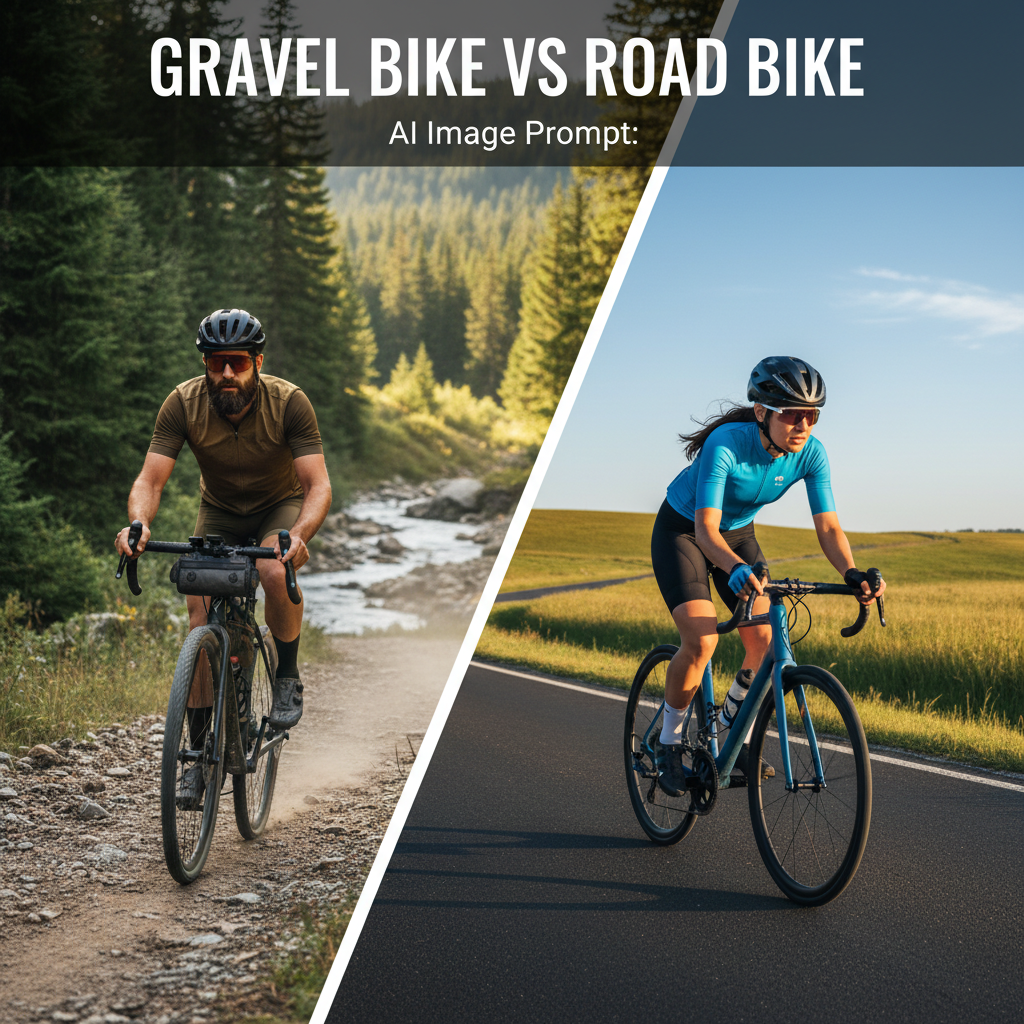
Gravel bikes feature more relaxed angles (head tube 70–72°) and higher stack for comfortable, upright posture. Road bikes remain lower, steeper, and racier (stack height 10–20mm less; 5–10% less slacker angles), prioritizing aerodynamic efficiency and aggressive fit. Gravel geometry boosts off-road control, especially on descents and uneven surfaces, but road bikes outpace them for quick steering on tarmac.
Tested difference: Gravel typically absorbs 20–30% more vibration under rough conditions, based on subjective 2024-2026 reviews.
Compare latest geometries on Geometry Geeks
2. Tire Options and Versatility in 2026
Gravel bikes now standardize 45–50mm tire clearance (53mm/2.1in on select models), supporting both knobby and slick profiles for mixed surfaces. Road bikes stick to 25–32mm for most models, with endurance variants pushing up to 35–40mm for urban and all-road use. Gravel setups prioritize tubeless compatibility, radial casings, and inserts for lower pressure (enhancing grip and reducing flats). Rising trend: swap gravel tires for road slicks, creating a true do-it-all platform.
3. Comfort & Compliance: Advanced Materials
ISO-compliant carbon layups and vibration-damping seatposts dominate the gravel segment in 2026, with some brands using leaf-spring or floating designs to further boost shock absorption. Carbon is increasingly engineered with AI modeling for strength-to-weight optimization. Road bikes integrate similar tech (e.g., subtle flex points, wider seatposts), but frame compliance is distinctly higher in the gravel category.
4. Gearing, Brakes & Drivetrain Tech Updates
Gravel prefers 1x setups (single chainring, 11–13sp wide-range cassettes) for simplicity, reduced mechanical issues, and exceptional climbing ability—essential for loaded touring and steeper terrain. Road bikes mostly retain 2x drivetrains (e.g., 2×12 Shimano 105 or Ultegra Di2) for smoother cadence and smaller gearing jumps on sustained, flat-speed rides. Hydraulic disc brakes are now universal on both types for high modulation and all-weather reliability.
5. Adventure Readiness: Mounts, Bags & Capacity
Gravel bikes excel with industry-standard mounts: triple fork bosses, multiple bottle mounts, top tube bag bosses, rear rack and mudguard bosses, and generous tire clearance even when laden. Many feature internal storage and bold framebag integration. Road bikes, especially race-oriented, offer limited extra mounts and reduced clearance; endurance/touring road models are exceptions.
6. Performance: Speed, Agility, and Endurance
Road bikes remain lighter and faster on smooth pavement (up to 20% lighter, based on component selection; pure race models 7.0–8.0kg vs gravel’s 8.5–10.5kg), optimized for speed and quick handling. Gravel’s gains are in stability, control, and off-road agility, with heavier builds offset by increased comfort and less fatigue over long, mixed-surface distances. Recent tests show top gravel bikes lag only 2–3km/h behind road bikes on tarmac while excelling off-road.
7. Tech Integration: Smart Features and Connectivity
Both bike types increasingly offer integrated GPS systems, electronic shifting (SRAM eTap AXS, Shimano Di2), embedded sensors (power, cadence, tire pressure), and smart lighting. Gravel bikes adopt more tech-friendly bags and power options—dynamo hubs, internal wiring for GPS/lights—reflecting their adventure bias.
8. Eco-Friendly Innovations and Sustainability
Eco-conscious frame production (recycled carbon and alloys, less toxic resins) is a rising trend. Brands tout repairable carbon layups, modular frame construction, and longevity-focused titanium or steel frames, especially for gravel bikes aimed at long-haul touring.
9. Customization and Aftermarket Trends
Gravel leads in customizability—handlebars, seatposts, wheels, gearing, colorways, mounts—tailorable for anything from singletrack to century road rides. Aftermarket upgrades include tubeless kits, electronic drivetrains, and bolt-on storage. Road bikes lag slightly, with most customization coming from component swaps rather than full-setup adaptability.
10. Price, Value & Cost of Ownership
2026 brings more accessible pricing, with carbon gravel bikes from $2,500 to $7,000 (top-shelf: titanium/alloy adventure builds up to $10,000; entry-level alloy from $1,500). Road bikes mirror this, but pure race models can exceed $12,000. Gravel bikes offer better long-term value for riders seeking one bike for all surfaces; maintenance costs are just slightly higher due to wider tires and robust drivetrains.
Real-World Use Cases: Choosing the Right Bike in 2026
Urban Commuters: City Riding Scenarios
Gravel bikes with 35–40mm slick tires deliver comfort, pothole absorption, and versatility for rough city routes and light gravel paths. Road bikes offer quicker acceleration and lower weight for pure-paved commutes but lack bump absorption or year-round fender/rack compatibility seen in their endurance-oriented or gravel cousins.
Gravel Grinding & Bikepacking Adventures
Modern gravel models (Trek Checkpoint, Canyon Grizl, Orbea Terra) are built for bikepacking: mounts for full luggage, stability with 50mm+ tire clearance, frames optimized for heavy loads, and gearing for sustained climbs.
Adventure data: Bikepacking.com reviewers logged over 2,700km in 2025–26 tests, reporting less fatigue and higher daily mileages on new compliant frames versus traditional touring bikes.
Endurance Road Racing and Sportives
Aero-optimized road bikes (Specialized Tarmac SL8, Trek Madone SL) remain the choice for speed-focused events, group rides, and gran fondos, excelling on smooth roads with minimal weight and agile geometries. Emerging is the “aero gravel” category, favored in rough sportives with sub-40mm tires and road-like efficiency.
All-Road and Mixed Surface Exploration
“All-road” is now synonymous with modern gravel bikes: one chassis, two sets of wheels/tires (slicks for road, knobbies for trails), accommodating everything from urban riding to centuries, forest tracks, and unpaved lanes.
Insights from the Saddle — Owner & Expert Perspectives
Testimonials from Riders Who Own Both Bikes
- Canyon Grail owner: “Feels fast on nearly all terrains…stable and adept in technical terrain, confidence-inspiring, and just downright fun. It’s no slouch on the road.”
- Genesis Croix de Fer owner: “Sure-footed and capable on rough descents, with much better off-road confidence; still fast enough for road group rides.”
- Orbea Terra tester (2026): “Punchy and agile, inspires instant confidence on and off the highway.”
- King Zydeco 2 tester: “Performance shines connecting road sections, comfortable for long days.”
What Bike Industry Experts Recommend Now
- For pure racing: Road bikes or lightweight aero gravel builds (e.g., Specialized Crux, 3T Extrema Italia).
- For all-round speed and adventure: Modern gravel or all-road bikes with 700c x 40–45mm slicks for pavement/gravel versatility.
- For adventure/bikepacking: Focus on wide tire clearance (50mm+), multiple mounts, and robust frames (titanium or steel for longevity).
- For entry-level: Alloy gravel bikes (Van Rysel GRVL AF 2), combining affordability with stability and easy maintenance.
How to Decide: Buyer’s Guide for 2026 Riders
Key Questions to Ask Before Buying
- Where will you ride most—road, trail, gravel, mixed?
- Do you want one bike to do everything or maximize a single type of performance?
- What’s your comfort priority (upright geometry, tire width, suspension)?
- How important is tech integration (e-shifting, GPS, power meter, connectivity)?
- Will you bikepack or carry loads?
- What cleaning and maintenance level is realistic for you?
Best for Beginners, Performance Seekers, Adventurers
- Beginners: Aluminum gravel bikes with upright posture and 38–45mm tires; simple 1x gearing; lots of mounts.
Example: Van Rysel GRVL AF 2 - Performance: Carbon gravel or road bikes; lightweight, responsive, and e-shifting enabled.
Example: Ridley Grifn RS - Adventurers: Titanium or steel adventure gravel bikes, max clearance, modular framebags, and multi-mounts.
Example: Canyon Grizl
FAQ: Gravel Bike vs Road Bike in 2026
- Can a gravel bike replace a road bike?
Yes, especially for most non-competitive riders. Swap for 32–38mm slicks and keep a spare wheelset for pure road use. - How much slower are gravel bikes?
On modern models, testing shows only a 2–3km/h average reduction on tarmac. Off-road, gravel bikes are far faster. - Is carbon or titanium better for gravel?
Carbon wins for weight and stiffness; titanium for durability and long-term value in loaded touring. - Are e-gravel and e-road bikes mainstream in 2026?
Yes, especially for older riders and mixed-commute/adventure, with natural-feel motors and extended battery options.
Resources & Further Reading on Cycle Innovation
- CyclingNews: Best Gravel Bikes 2026
- Velo: Best All-Around Gravel Bike 2026
- BikeRadar: 2026 Gravel Bikes Buyer’s Guide
- Geometry Geeks Database
- Bicycling.com: Bike Trends Predictions 2026
- Ready to choose your 2026 ride? See in-stock models at your local dealer or visit brand websites for the latest deals and sizing guides.