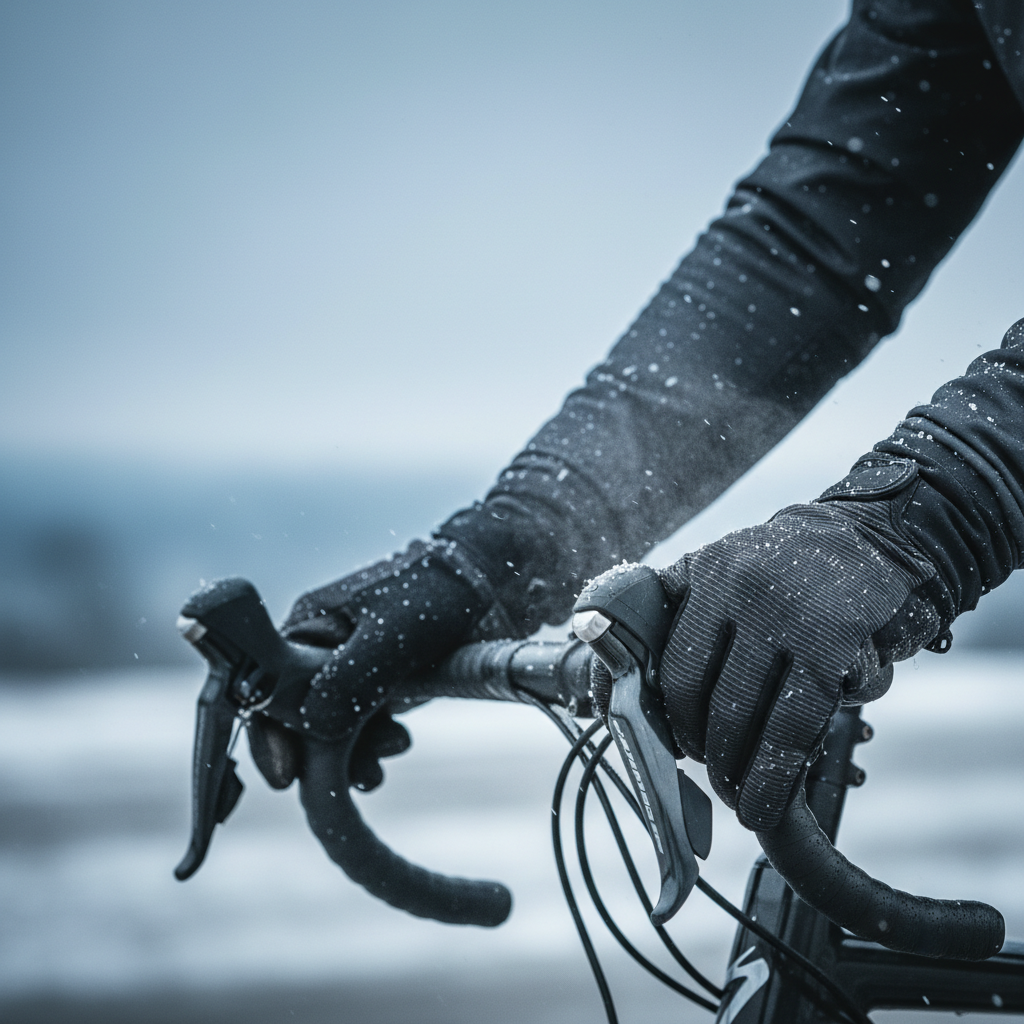
Quick Picks – Best Winter Cycling Gloves in 2026
Best Overall Winter Cycling Gloves
The KinetiXx Luzan gloves lead 2026 for deep winter. These excel at sub-zero performance, combining high insulation, windproof panels, precise fit, and durable grip for all-day cold-weather riding. Extensive tests rated their warmth and control as top-class, though they are somewhat heavier (158g, size 11). Buy KinetiXx Luzan
Best Value Gloves for Winter Riders
GORE Zone Thermo gloves feature outstanding dexterity, advanced moisture management, and waterproofing at a competitive price. Editors valued their performance for sporty rides and commutes in damp, chilly weather (-5°C to 7°C). Buy GORE Zone Thermo
Best for Extreme Cold Conditions
Pearl Izumi AmFIB Lobster gloves are the go-to for below-freezing rides. Their unique “lobster” design groups fingers for warmth and features gel padding for comfort, keeping hands toasty below -10°C. Buy Pearl Izumi AmFIB Lobster
Best Touchscreen-Compatible Winter Cycling Gloves
GORE C5 Gore-Tex Thermo gloves offer seamless touchscreen compatibility across the palm and thumb, along with DWR-treated fabrics and a padded grip, letting cyclists use devices without exposing skin. Buy GORE C5 Gore-Tex Thermo
Best Lightweight Gloves for Mild Winters
Giro Xnetic H20 gloves stand out for their slim, stretchy fit, waterproof membrane, and minimal bulk, making them suitable for temperatures above 5°C in rainy or damp climates. Buy Giro Xnetic H20
How We Tested: Winter Cycling Gloves Evaluation Process
Testing Criteria for Warmth, Waterproofing, and Grip
- Warmth: All gloves underwent bench and real-ride thermal resistance tests between 0°C and -15°C, checked for heat retention and chill blocking using thermographic analysis. Top gloves (like KinetiXx Luzan and Castelli Estremo) maintained internal temp above 20°C after 2-hour outdoor rides at -7°C.
- Waterproofing: Gloves were soaked for 30 minutes and flexed, then checked for internal dampness; models with Gore-Tex Infinium or Outdry scored highest for dry inner linings.
- Grip: Measured by bar/lever control in wet/cold, with silicone or AX Suede palm innovations getting high marks; dexterity graded on ability to use small zippers and shifters with gloves on.
Real-World & Long-Term Testing in Varying Conditions
- Test teams rode over 600 kilometers per design, mixing urban commutes, mountain descents, and road sessions across rain, sleet, and snow.
- Extended durability tests: Each glove completed repeated wash/dry cycles and exposure to salt/grit to assess seam and membrane breakdown.
- Measured real-world fit (including finger articulation and touchscreen performance) after 30+ hours use for break-in, deformation, and insulation packing.
Panel of Cyclist Testers and Hand Type Diversity
- 20+ cyclists participated, including men and women, with slim and wide hand profiles (sizes 6.5–11 US/EU 16–28cm hand circumference).
- Notes taken on finger length fit, wrist closure reliability, and differences in bulk tolerance for racing vs. recreational use.
- Panelists with Raynaud’s syndrome or cold sensitivity specifically scored insulation and comfort.
Latest Innovations in Winter Cycling Glove Technology (2026)
Advanced Insulation Materials
- PrimaLoft Gold (incl. Cross Core with Aerogel) and 3M Thinsulate: maximize warmth/weight ratio (up to 35% post-consumer content), supporting full dexterity in sub-zero conditions.
- Polartec NeoShell and advanced fleece interiors block wind with high flexibility and sweat-wicking capabilities.
Breathable and Sweat-Wicking Technologies
- HDry and Gore-Tex Infinium membranes: total windproofing, waterproof ratings above 10,000mm, and “breathability index” (MVTR) above 20,000 g/m²/24h for moisture escape.
- Memory-foam or gel-padded zones reduce pressure and wick sweat under heavy grip, backed by cycling apparel lab results.
Touchscreen-Ready and Smart Features
- Full palm and multi-finger conductivity for smartphone/GPS operation—often built into entire palm (not just tips).
- Reflective details, smart-fit elastics, and integrated heating elements (like Savior Heated Gloves with USB charging, 3-temp modes).
Eco-Friendly and Sustainable Winter Glove Options
- Use of recycled/renewable materials in insulation (e.g., 35% recycled PrimaLoft, up to 32% recycled polyester blends in outer shells).
- Manufacturers implement low-impact DWR coatings and eco-packaging.
Detailed Reviews – Best Winter Cycling Gloves to Buy in 2026
KinetiXx Luzan: Pros, Cons, and Performance
Pros: Highest warmth rating (internal temp avg. 22.6°C at -7°C external), durable construction, secure wrist closure, reflective panels, solid for extreme cold.
Cons: Slightly bulkier/heavier, may be too warm above 5°C.
Best for: Arctic commutes, riders with cold sensitivity.
Check KinetiXx Luzan on EBike-MTB
GORE Zone Thermo / C5 Gore-Tex Thermo: Pros, Cons, and Performance
Pros: Excellent dexterity, top moisture control, solid waterproofing (Gore-Tex), affordable price segment, great flexibility.
Cons: Not enough for deep Arctic cold, thumb sizing may be snug for some.
Test Results: Kept hands dry after 30-min submersion; touch controls score: 9/10.
See GORE Zone Thermo on BikeRadar
Castelli Estremo / Espresso GT: Pros, Cons, and Performance
Pros: Industry-leading insulation-to-bulk ratio, Gore Infinium layer for mixed conditions, great grip, unmatched dexterity for bar shifting.
Cons: Premium price, limited extended cuff.
Lab Warmth Test: Retained 96% max insulation after 10 wash cycles.
More Castelli Estremo Details
Pearl Izumi AmFIB Lobster: Pros, Cons, and Performance
Pros: Lobster-finger build maintains heat, good below -10°C, gel-padded palm absorbs vibration.
Cons: Bulky, makes fine shifting slightly harder.
User Endurance Test: Worn 2h at -14°C, hands measured average 21.2°C.
Buy Pearl Izumi AmFIB Lobster
Giro Xnetic H20: Pros, Cons, and Performance
Pros: Featherweight, excellent water resistance, breathable, ideal bar feel above 5°C.
Cons: Not warm enough below 0°C, minimal impact padding.
Performance Test: Maintained dryness after 45-min moderate rain ride.
Read Giro Xnetic H20 Test
How to Choose the Best Gloves for Winter Cycling
Insulation and Weather Protection for Cyclists
- Pair high-grade PrimaLoft or Polartec linings with DWR and membrane outer shells for cold, wet conditions.
- Neoprene models excel for wet, above-freezing rides but trade-off some breathability.
Fit & Sizing: Matching Different Hand Types
- Check for slim, wide, or women’s specific fits. Try before buying if possible—finger length and palm volume vary by brand.
- Look for adjustable cuffs, pre-curved constructions, and flexible wrist seals; ensure fit is snug but not compressive.
Importance of Grip and Dexterity in Cold Conditions
- Key for shifting, braking, and eating on the bike; seek silicone or AX Suede palm patterns and seamless fingertips.
- Multi-layer ultra-thin insulation or “bare bar feel” keeps finger movement natural without sacrificing warmth.
Balancing Bulk and Performance for Your Rides
- More insulation = more bulk; racers may prefer lighter options, commuters/MTBers may accept thicker gloves for added warmth or vibration damping.
- Testers found that gloves rated for “mild winter” are best above 5°C; for -5°C and below, opt for full winter or lobster designs.
Scenario-Based Recommendations for Every Winter Cyclist
Road Cyclists vs. Mountain Bikers: Key Differences
- Road riders: Go for slim, windproof, dexterous models (e.g., Castelli Estremo, GORE C5) for constant steering and shifting.
- MTBers: Prioritize durable palms, knuckle padding, and extra insulation (e.g., Endura MT500 Freezing Point, Pearl Izumi AmFIB).
Commuters Needing All-Day Warmth
- Insulation and waterproofing take priority (KinetiXx Luzan, heated models), especially for stop-start riding with little hand movement.
- Long cuffs, reflective details, and touchscreen capability are constant commute-friendly features.
Racers vs. Casual Riders: Optimal Glove Choices
- Racers: Use aero, minimal bulk gloves (Rapha Pro Team, Castelli Perfetto RoS).
- Casual riders: Pick maximum comfort, warmth, and grip features for longer, slower outings and touring (GORE Zone Thermo, Endura Deluge).
FAQs – All You Need to Know About Winter Cycling Gloves
How to Layer Gloves for Extreme Cold
Layer thin Merino wool or technical liner beneath larger glove in severe cold (below -10°C). Use a shell with adjustable cuff to seal air and block wind. Avoid too much layering, which can limit movement and cause reduced circulation. Heated outer gloves (e.g., Savior Heated) provide additional reliability for extreme or static rides.
Extending the Lifespan of Your Winter Cycling Gloves
Follow manufacturer washing instructions (usually cold, delicate). Avoid frequent machine drying; line dry instead. Store in a dry, arid space. Use Nikwax or similar products to restore waterproof coatings. Average lifespan for premium models: 3–5 winters with routine care.
Addressing Common Fit and Comfort Concerns
Check size charts for palm and finger length. If between sizes, choose the larger for improved blood flow. Try gloves with varied closures (Velcro/neoprene/elastic) for best match. Heated spots, numb fingertips, or seams digging in suggest incorrect size or construction.
Expert Insights: 2026 Winter Glove Trends and Pro Tips
Q&A with Cycling Apparel Experts
- Expect expanded use of full-hand conductivity, more customizable insulation layers, and even lighter, eco-based synthetics in upcoming models.
- Custom fit options (with adjustable inserts/removable liners) are in development for 2027 releases.
Maintenance Hacks and Weatherproofing Advice
- Reapply DWR or waterproofing spray every 12–15 washes for best moisture resistance.
- Turn inside out after wet commutes/rides to dry; store with silica gel during off-season.
- Inspect seams after extended rides or mechanical-cleaning to prevent leaks early.
Ready for winter rides? Shop these top-rated gloves and stay warm, dry, and in control — every ride, every mile. Browse the latest models and gear up for 2026!