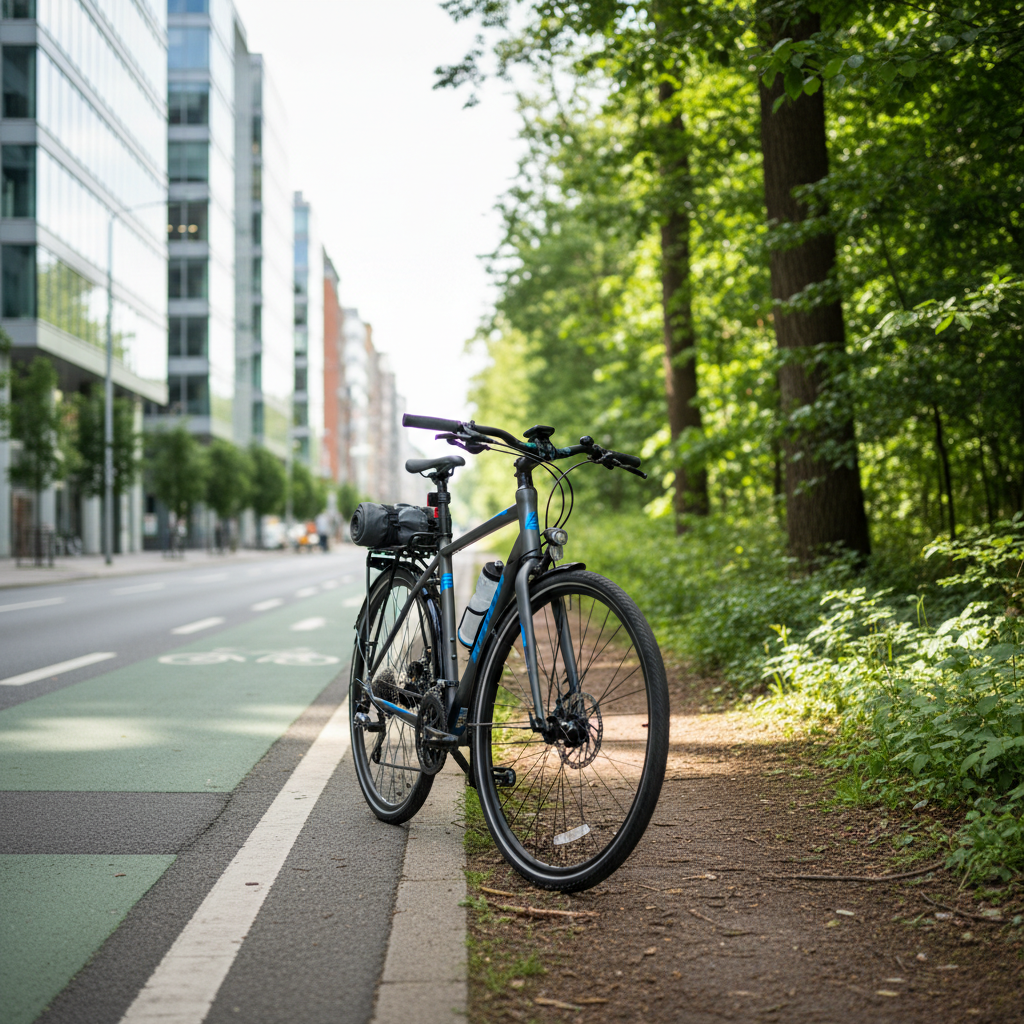
Are you new to cycling and wondering what makes a hybrid bike special? Maybe you want a bike that is good for many situations: riding to school, going to parks, or even tackling light trails. This guide is perfect for grade 9 students and beginners. Here you’ll learn everything about hybrid bikes: what they are, why you might need one, how to choose the right bike, basic maintenance, common problems, and tips for getting the most out of your ride.
What Is a Hybrid Bike? Definition and Key Features
Hybrid Bike Anatomy Explained
A hybrid bike is a bicycle designed to mix the best parts of road bikes and mountain bikes. This makes it comfortable, easy to ride, and useful in different conditions.
- Frame: Usually lightweight, often aluminum or steel.
- Flat handlebars: For a relaxed, upright riding position.
- Tires: Medium width, more grip than road bikes, smoother than mountain bikes.
- Gears: Wide range to help on both hills and flat roads.
- Brakes: Often V-brakes or disc brakes for safe stopping.
- Suspension: Some hybrid bikes have front suspension to absorb bumps.
Differences Between Hybrid, Road, and Mountain Bikes
| Feature | Hybrid Bike | Road Bike | Mountain Bike |
|---|---|---|---|
| Handlebars | Flat | Drop | Flat/Riser |
| Tires | Medium | Narrow | Wide, knobby |
| Use | City/Trails | Paved roads | Off-road |
| Suspension | Optional | No | Yes (Front/Full) |
| Gears | Wide range | Higher speeds | Climbing rough terrain |
Why Choose a Hybrid Bike? Real-Life Use Case Scenarios
City Commuting
Hybrid bikes are great for riding to school, work, or the store. They handle city roads, curbs, and even small potholes with ease. Many have mounts for racks and baskets, perfect for carrying books or groceries.
Fitness and Recreational Riding
If you want to ride for exercise, a hybrid bike is light but sturdy. The upright position means you won’t feel sore after a short trip. It’s also faster than a mountain bike but more comfortable than a road bike.
Light Trails and Mixed Terrain
Hybrid bikes work well for light dirt roads, parks, or gravel paths. They’re for people who want more than just city rides, but don’t need a full mountain bike.
How to Choose the Right Hybrid Bike for You
Step-by-Step Hybrid Bike Selection Checklist
- Decide Your Main Use: Is it for commuting, fitness, or weekend adventures?
- Set Your Budget: How much can you spend? Hybrid bikes have a wide price range.
- Try Different Models: Visit bike shops and test some bikes. Notice comfort and handling.
- Check the Features: Do they have racks, fenders, or front suspension?
- Choose the Right Size: Make sure it fits your height and leg length.
Sizing and Fit—How to Find the Perfect Frame
Getting the right size hybrid bike is key for comfort and injury prevention. Use this simple method:
- Stand over the bike’s frame. There should be 2-5 cm (about 1-2 inches) between you and the top tube.
- Sit on the seat. When the pedal is at its lowest point, your knee should be slightly bent.
- Hold the handlebars. Your arms should be slightly bent and relaxed.
If possible, ask a bike shop staff to check your fit.
Must-Have Features (Brakes, Gears, Suspension, Tires)
- Brakes: Disc brakes are strong and good for all weather. V-brakes are simple and easy to fix.
- Gears: More gears help with hills; fewer gears mean easier maintenance.
- Suspension: Front suspension makes bumpy paths more comfortable, but is not necessary for city use.
- Tires: Wider tires for stability, narrower for speed.
Customizing Your Hybrid Bike for Your Lifestyle
Setting Up for Commuting (Racks, Fenders, Lights)
To make your hybrid bike perfect for daily use, consider adding:
- Racks: For carrying bags or books.
- Fenders: To protect you from water and mud.
- Lights: For safety at night or in bad weather.
Adapting for Fitness or Touring
- Install a water bottle cage.
- Add a comfortable saddle (seat).
- Use a cycling computer or phone holder to track distance and speed.
Accessories and Upgrades to Consider
- Bell or horn for alerting others.
- Lock to keep your bike safe.
- Pump and repair kit for emergencies.
- Bigger tires for more grip, or lighter wheels for faster rides.
How to Maintain Your Hybrid Bike: Essential Tips for Longevity
Basic Maintenance Routines (Chain, Brakes, Tires)
- Clean and oil the chain every few weeks or after rain.
- Check tire pressure before each ride.
- Inspect brake pads for wear and replace if needed.
- Tighten bolts on handlebars and seat often.
DIY Troubleshooting Guide
- Flat tire? Use tire levers to remove the tube, patch or replace it, and pump up.
- Gear skipping? Adjust the gear cable or clean the derailleur.
- Loose brakes? Tighten brake cables using the barrel adjuster.
When to Seek Professional Help
- You hear loud noises from the bottom bracket or wheels.
- The gears or brakes cannot be fixed by simple adjustment.
- You see frame cracks or major damage.
From Store to Road: Your First Hybrid Bike Ride Step-by-Step
Adjusting for Comfort and Safety
- Set the seat height so your legs are nearly straight at the pedal’s lowest point.
- Check the handlebar position: not too high or too low.
- Ensure brakes and gears work smoothly.
- Wear a helmet every ride.
Route Planning and Beginner Mistakes to Avoid
- Start with short rides on quiet streets or bike paths.
- Plan your route ahead of time using a map or GPS.
- Avoid riding too fast at first; get used to stopping and turning.
- Don’t forget water and a snack for longer rides.
Safety Gear Checklist
- Helmet
- Front and rear lights
- Reflectors
- Gloves (optional, for comfort and grip)
- Knee and elbow pads (optional)
Hybrid Bike FAQs: Everything New Riders Ask in 2026
Can I use a hybrid bike for long-distance touring?
Yes, many hybrid bikes are strong enough for long rides. Look for models with rack mounts and strong wheels. Pack light, and add comfort upgrades like a padded seat.
Are electric hybrid bikes worth it?
Electric hybrid bikes make it easier to climb hills and ride longer distances. They cost more, but can be a great choice if you travel far or want help with tough routes.
What are common upgrades for hybrid bikes?
- Padded or ergonomic saddle for comfort
- Better tires for less rolling resistance or more grip
- Upgraded lights and reflectors
- Shock-absorbing seat post for rough roads
Real User Stories: Hybrid Bike Experiences in Urban and Rural Settings
Emily’s Story (City): “I use my hybrid bike to go to school every day. It’s fast on the road but handles bumps and curbs well. Adding a rack helped me carry my books and gym bag easily.”
Jacob’s Story (Rural): “Where I live, roads can be gravel or paved. My hybrid bike makes it easy to visit friends or go for fun rides in the countryside. I just switch my tires depending on the season!”
Maya’s Story (Fitness): “I started riding a hybrid bike to get in shape. It’s not as heavy as my old mountain bike, so I can ride further. Upgrading my seat made every ride more comfortable!”
Conclusion: Key Takeaways and Your Next Steps
- Hybrid bikes combine the best of road and mountain bikes, making them great for most people.
- Always choose a hybrid bike that fits your needs and size.
- Simple maintenance keeps your bike safe and lasting longer.
- Add accessories to match your hobbies and routine.
- Every hybrid bike ride boosts health, saves money, and is fun—start your cycling journey today!