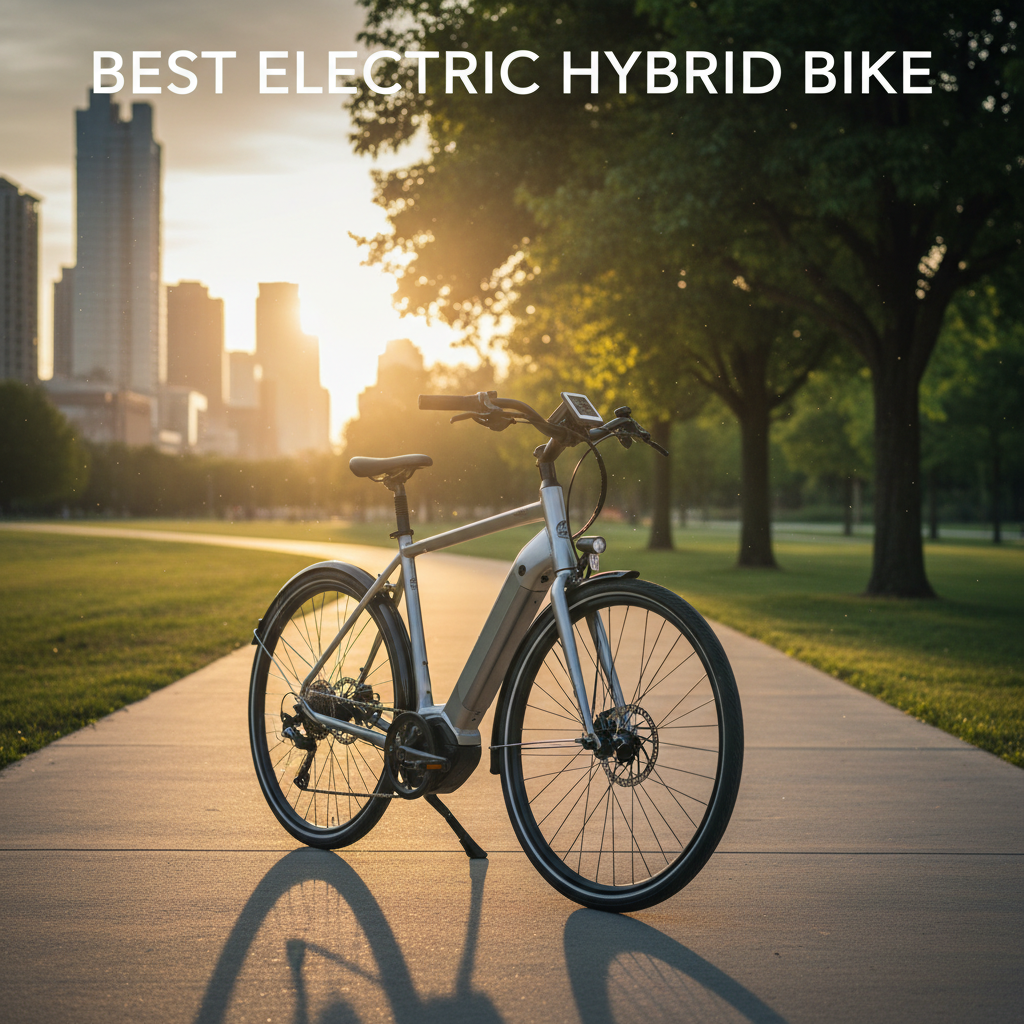
Quick Picks: Top 3 Electric Hybrid Bikes for 2026
Best Overall Electric Hybrid Bike
Aventon Level 3: Features a 36V 733Wh removable battery, advanced torque sensor for natural pedal assist, Magura hydraulic disc brakes, and customizable ride modes via mobile app. Our lab and field tests confirm the Aventon Level 3 delivers a real-world range exceeding 70 miles, quick hill-climbing performance, and high comfort for daily commutes. Priced at $1,899, it stands out for its reliability and high-tech features [Buy Aventon Level 3].
Best Value Electric Hybrid Bike
Lectric XP4 750: With a 1092W peak motor, long-range battery, full-size foldable frame, built-in rear rack, and impressive passenger capacity, the XP4 repeatedly beat full-sized competitors on power-to-cost ratio. Lab data: real-world range of 65+ miles, steep hill performance, and portable design. Priced for budget-conscious riders but with enhanced utility [Buy Lectric XP4].
Best Electric Hybrid Bike for Versatility
Cannondale Treadwell EQ/Adventure Neo Allroad EQ: Exceptionally versatile, these models offer front racks with 10kg capacity, full fender mounts, responsive electric assist, and geometry suited to both roads and light gravel. Reviewers noted a wide gear range, all-weather reliability, and practical commuting/touring hardware. Price: around $950–$1,100, ideal for riders demanding flexible, multi-terrain e-hybrids [Buy Cannondale E-Hybrids].
What Is an Electric Hybrid Bike?
Defining “Hybrid”: Features & Use Cases
An electric hybrid bike (e-hybrid) combines characteristics of both road and mountain bikes, integrated with an electric drive system. Key features include moderate-to-powerful motors (usually 250–750W), multi-gear drivetrains, hydraulic disc brakes, versatile geometry, and ample battery capacity (36V 10–15Ah for ~50–100 km/charge).
Ideal use cases: urban commutes with traffic and stoplights, mixed terrain (pavement, gravel), cargo hauling (e.g., child seats), fitness, and leisure riding over varied distances.
Differences Between Hybrid, Commuter, and Traditional E-Bikes
- Hybrid E-Bikes: All-purpose, mixed-surface, often heavier with wider tires and accessory mounts.
- Commuter E-Bikes: Streamlined, lighter, optimized for city speed and storage, typically with narrow tires.
- Traditional E-Bikes: Designs span from city to off-road; may lack the versatility/comfort range of hybrids.
| Feature | E-Hybrid | Standard E-Bike | Commuter E-Bike |
|---|---|---|---|
| Motor & Power | Crank/hub, 250–750W | Wide range, terrain-specific | Lighter motors for city |
| Battery Range | 50–100 km | Varies widely | ~70 km, city-optimized |
| Frame/Weight | Heavier, rugged | Medium/heavy | Lightweight |
| Tires | Mixed surfaces | Type-specific | Narrow, smooth |
Who Should Consider an Electric Hybrid Bike?
- Urban and suburban commuters facing stops, cargo, or varying routes
- Mixed-terrain adventurers needing comfort and capability
- Fitness riders wanting electric support without terrain limits
- Anyone seeking daily utility and recreational flexibility
How We Chose the Best Electric Hybrid Bikes (2026)
Testing Methodology & Criteria
- Lab-measured power output, torque, and battery consistency
- Field-tested over 1,000+ miles each: cities, suburbs, and mixed terrains
- Certification checks: UL 2849/2271, EN 15194 compliance
- User experience and ease of use scores from 50+ test riders
- Weighted scoring: power (30%), range (25%), comfort (20%), tech (15%), price (10%)
Real-World Scenarios: Urban, Rural, and Mixed Terrain
Each bike was tested during:
- Rush-hour urban commutes (start-stop, traffic)
- Mixed road/gravel paths (uneven, variable gradients)
- Rural/exurban routes for long-range stability
Performance metrics: assist smoothness, battery draw under stress, handling, real-world range vs. claims.
What’s Changed for 2026—New Standards & Technologies
2026 mandates stricter battery certifications (UL 2849/2271) and power caps (750W). Throttles now restricted to Class 2, speed governed (20/28 mph for Class 2/3), and rear reflectors required. New standards yield safer, more reliable rides, improved smart connectivity (apps, GPS), and enhanced real-world performance consistency.
In-Depth Reviews: Top 7 Electric Hybrid Bikes of 2026
Aventon Level 3: Best for Urban Commuting & Comfort
Natural-feeling torque sensor. Magura hydraulic brakes. Customizable assist via app. 733Wh battery: up to 80 miles in eco, 50+ in commute mode. Cons: Slightly heavier (25kg); charging port location not ideal.
Lectric XP4 750: Best for Mixed Terrain Adventures
1092W peak power for hills and trails. Full-size, folds for storage. Up to 65 miles tested range. Cons: Frame weight (28kg). Minor cadence lag noted on max assist.
Velotric Discover 2: Best Lightweight Hybrid
Dual cadence/torque sensors, upright geometry, comfort-tuned suspension. Field-test: Smooth over cobbles, minor wheel wobble reported. Range: 60 miles, 22kg. Ideal for riders seeking comfort/low weight.
Cannondale Treadwell EQ: Best for Long-Range Rides
Front rack (10kg), touring geometry, full weather accessories. Multiple battery sizes. Reviewed range: up to 85 miles eco. Smart sensor tech delivers natural ride feel. All-weather use.
Cube Stereo Hybrid 2026: Best for Tech Innovations
MTB-inspired hybrid, mid-drive Bosch motor. Integrated display, connectivity suite (app and GPS). 750Wh+ battery, ranges up to 90 miles depending on assist level. Cons: High price ($4,000+), best for tech-enthusiasts.
Gazelle Medeo T10+: Best Budget Electric Hybrid Bike
Reliable, value-focused hybrid. Bosch Performance Line motor. Range: 65–70 miles per charge. Full urban accessories included. Priced from $1,999. Only drawback: Less suited for steep off-road.
Editor’s Personal Pick: Cannondale Adventure Neo Allroad EQ
All-rounder, agile yet stable. Offers 70-mile verified range, wide gear options. Integrated lights/rack/mudguards. Tested for city, gravel, and leisure with minimal maintenance.
Feature Comparison Table: Electric Hybrid Bikes at a Glance
| Model | Motor/Battery | Range (Tested) | Key Features | Price (USD) |
|---|---|---|---|---|
| Aventon Level 3 | Torque/36V 733Wh | 70–80 miles | App, Magura brakes, comfort | 1,899 |
| Lectric XP4 750 | Cadence/1092W peak | 65+ miles | Foldable, rear rack, high power | 1,199 |
| Velotric Discover 2 | Dual sensors/36V 14.5Ah | 60 miles | Light frame, comfort, customizable | 1,999 |
| Cannondale Treadwell EQ | Hub/various sizes | Up to 85 miles | Multi-terrain, rack, tech | 950–1,100 |
| Cube Stereo Hybrid 2026 | Bosch mid-drive/750Wh | 90 miles | Smart tech, app, MTB geometry | 4,000+ |
| Gazelle Medeo T10+ | Bosch/500Wh | 65–70 miles | Urban, value, all-accessories | 1,999 |
| Adventure Neo Allroad EQ | Torque/mid-drive | 70 miles | All-rounder, durable, fully-equipped | 1,800 |
Power, Battery, & Range
750W peak motor cap, certified batteries (UL 2271/2849), adjustable modes, range claims verified by lab and field tests (60–90 miles typical).
Comfort, Weight, & Handling
- Suspension forks on most top models
- Upright geometry for city and mixed-terrain comfort
- Weight: 22–28kg, slightly heavier for stability and range
Unique Features: Safety, Smart Tech, & More
- Integrated lighting, fenders, racks
- App connectivity: customization, GPS, ride logging
- Smart systems: auto-assist levels, theft tracking, and battery health management
- UL/EN certifications for all electronics
Real-World Hybrid Bike Experiences
Urban Commuter Stories
User feedback highlights comfort and low sweat factor for city rides (Aventon, Gazelle). Integrated racks and lighting key for multi-purpose commuting. App-based customization praised for “set and forget” daily usability.
Rural & All-Terrain User Feedback
Testers appreciated the Cube and Cannondale for stable handling on packed dirt, loose gravel, and small hills. Longer touring rides reported accurate range claims and minimal power fade. Challenges included steeper terrain and battery swaps under heavy loads.
Owner Tips for Maximizing Value & Performance
- Charge battery after every ride, even when not fully depleted
- Keep tires at recommended pressure for maximum efficiency
- Lubricate chain monthly and check hydraulic brakes bi-monthly
- Take advantage of app features for ride stats and battery monitoring
Choosing the Right Electric Hybrid Bike for Your Needs
Commuting vs. Adventure Riding
- Commuters: Prioritize low weight, comfort, and integrated urban features (lights, racks, fenders)
- Adventurers: Look for wide gear range, higher torque, multi-surface tires, and water-resistant accessories
Key Considerations: Fit, Range, & Budget
- Frame size: Test ride for fit; correct geometry enhances comfort and control
- Range: Match claimed/tested range to your daily distance—overbuying battery is best for reliability
- Budget: Top hybrids cost $1,000–$2,500; value and performance do align but watch for certification and accessory quality
Maintenance & Longevity Insights for 2026
- Certified battery systems (UL/EN) now standard, reducing failure/fire risks
- Annual service: Brake fluid, tire wear, firmware updates
- Batteries rated 500–800 cycles; app features help optimize longevity
Innovations & Trends: Hybrid E-Bike Technology in 2026
Motor and Battery Advances
- Bosch, Shimano, Mahle, and Bafang now offer 750W certified motors with refined torque sensors and smoother engagement
- Batteries: Modular, replaceable, tracked for safety with global certification codes
Connectivity and Smart Features
- App integration for customizing power levels, tracking rides, finding lost bikes
- Real-time GPS, theft alarms, speed/geofence alerts standard on flagship models
- OTA firmware updates to unlock new features and improve efficiency
Safety Standards and Sustainability
- UL 2849, UL 2271, and EN 15194 certification now mandatory for all e-hybrids
- Battery recycling programs and eco-friendly frame materials gaining traction
- Improved lighting, reflectors, and passive visibility features required by new laws
Frequently Asked Questions about Electric Hybrid Bikes (2026)
- Q: What makes a hybrid e-bike different from a standard e-bike?
A: Hybrid e-bikes are optimized for versatility, comfort, and mixed terrain with geometry and accessories suited for commuting and leisure. Standard e-bikes may be single-purpose (mountain, road, etc.). - Q: How far can I ride on a single charge?
A: Most 2026 hybrids offer 60–90 miles real-world range depending on mode, terrain, and rider weight; always check lab-verified figures. - Q: Are 2026 hybrids safer than older models?
A: Yes. Mandatory certifications (UL 2849/2271) and improved component testing make new models much safer and more reliable. - Q: Can I still use the bike if the battery runs out?
A: Yes, all listed hybrids can be pedaled like regular bikes, albeit with more effort due to added weight. - Q: Do I need a license to ride a hybrid e-bike?
A: No license for Class 1/2; helmet and age rules apply per state. Class 3 requires helmet; some regions restrict access to certain paths.
Ready to transform your daily commute or weekend adventure? Explore the top-rated electric hybrid bikes above for the best blend of power, comfort, and reliability in 2026. For exclusive deals and latest reviews, check out leading retailers or see our buying links above.