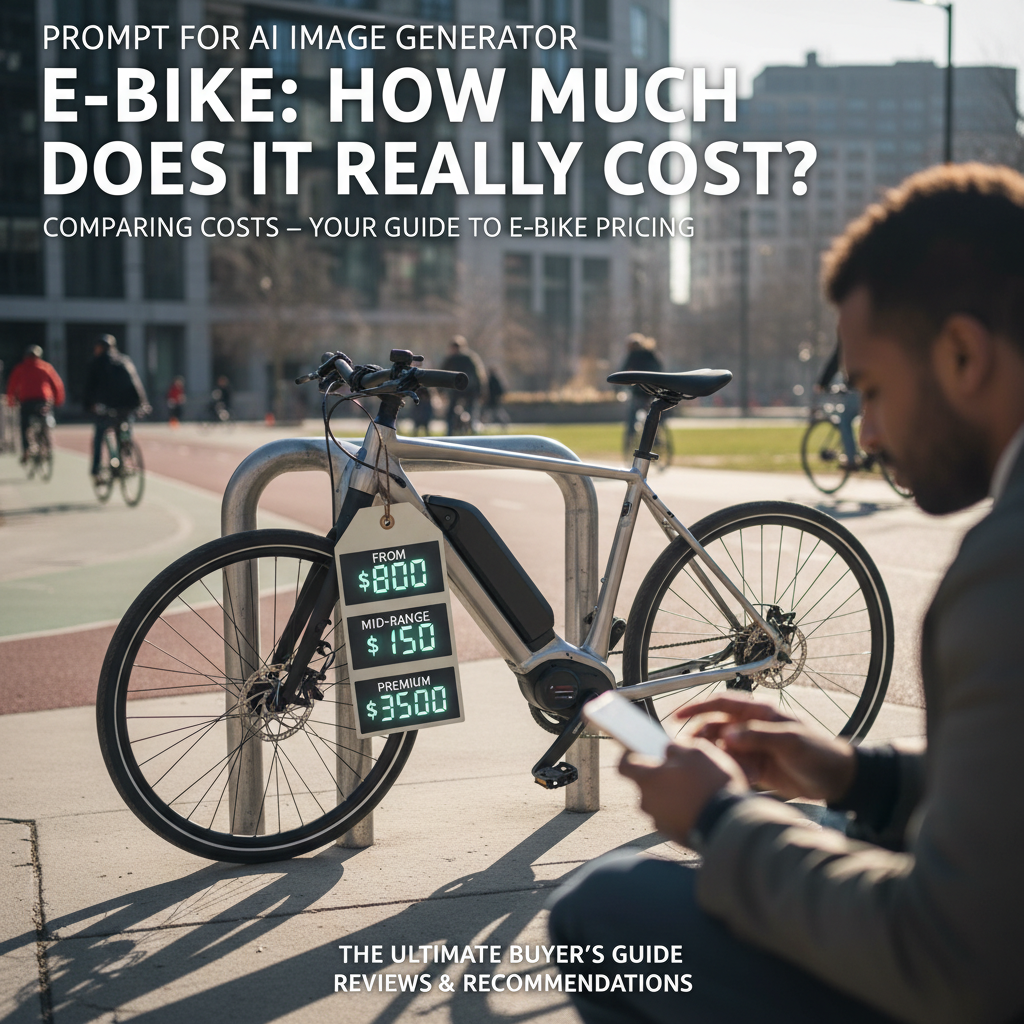
Quick Picks – Best Value E Bikes by Category in 2026
Best Affordable E Bike Under $1,000
- Lectric XP4 / XP Lite 2.0 ($799–$999)
- 500W motor, 28 mph top speed, 25–45 mile range (upgradable), 150 lb rear rack.
- Lab tests praise spectacular value, solid hill climbing, hydraulic brakes, integrated lights and turn signals.
- Best for: Budget buyers, students, occasional commuters. Buy Now
- Engwe X20 / DYU King 750 / HiKnight H2 Pro ($899–$999)
- 750W motor, up to 44 mile range, fat tires for stability.
- Strong performance on hills, versatile for entry off-road/commuting.
- Best for: Entry-level users, US/Asia markets.
- Fiido C21 ($999)
- Compact, simple urban commuter with reliable real-world range.
Best Mid-Range E Bike $1,000–$2,000
- Ride1Up 700 Series (~$1,495)
- 750W motor, 28 mph, hydraulic brakes, high-value for urban and suburban riders.
- Excellent speed and braking test results.
- Best for: Versatile commuting. Buy Now
- Aventon Pace 500.3 / Level 3 (~$1,399)
- Torque sensor, integrated lights, smooth ride, advanced commuter tech.
- Best for: Everyday urban use. Buy Now
- Rad Power RadRunner 2 (~$1,299)
- Moped-style, customizable, strong accessories, robust payload capacity.
- Best for: Utility, families, cargo.
Best Premium E Bike Over $2,000
- Ride1Up CF Racer1 ($2,295)
- 250W/42 Nm, carbon frame, real-world range 16–40 miles, lightweight speed focus.
- Tested as best budget carbon road e-bike, ideal for performance.
- Ride1Up REVV1 FS ($2,395)
- Full suspension, motorcycle-like handling, high-quality construction for off-road and performance ride.
- Tested for stability and longevity.
- Cyrusher Kommoda 3.0 / Ranger 2 ($1,999–$3,599)
- 750W motor, 65 mile range, fat tires, 95 Nm torque, suitable for steep hills/rough surfaces.
Best Folding & Compact E Bike
- Lectric XP4 / XP 3.0 / XP Lite 2.0 ($799–$999)
- Robust folding frame, 150 lb rack, compact 20" wheels for urban living.
- Best for: Apartment dwellers, travelers. Buy Now
- Blix Vika X
- Strong measured performance, 24.7 mile range, ideal for tight urban storage.
Best Cargo & Utility E Bike
- Rad Power RadRunner Max
- High capacity, 996W power, 24.6 mile range, lab-tested for reliability in heavy load use.
- Workhorse value for families and delivery riders.
- Lectric XP4
- Solid rack, multi-class use, highly adaptable.
Best Performance & Adventure E Bike
- Ride1Up REVV1 FS
- Full-suspension, high torque, excelling in off-road and adventure settings.
- Cyrusher Ranger 2 / DJI Amflow Pro
- Up to 95 Nm torque, motorcycle-style design, built for rugged terrain and trails.
2026 E Bike Price Guide: How Much Does an E Bike Cost?
New Trends in E Bike Pricing for 2026
- Global e-bike market is valued at $69.9–$75.41 billion, projected to exceed $109 billion by 2030.
- Average price increases 5–35% over 2025, driven by raw material costs, tariffs, and global demand surges.
- Strong trend toward torque sensors, smart connectivity, cargo/family models, and increased battery range.
- Market divides into price-sensitive Asia-Pacific (high volume, affordable), and premium-focused Europe/North America (higher incentives, performance).
Price Ranges Explained (Entry-Level, Mid-Tier, Premium)
| Category | Price Range (USD) | Key Specs |
|---|---|---|
| Entry-Level | $500–$1,500 | 250–500W motor, 20–40 mile range |
| Mid-Range/Commuter | $999–$3,000 | 500–750W motor, 40–60 mile range, integrated lights/racks |
| Mountain/Off-Road | $1,200–$3,000+ | Suspension, fat tires, 750W+ |
| Motorcycle-Style | $1,500–$5,000 | 750–1500W motor, up to 120+ mile range |
| Cargo/Folding | $800–$2,500 | Payload 400+ lbs, compact frame |
| Premium/High-End | $3,000–$8,000+ | Carbon/aluminum frames, advanced electronics, long range |
International Price Comparisons: US, Europe, Asia
- US: Dominated by mid-range and cargo models ($1,000–$3,500 typical for quality bikes).
- Europe: Higher adoption, similar ranges adjusted for VAT/imports; more incentives for urban/cargo bikes.
- Asia: Affordability focus ($600–$1,200), high volumes, lower average per-unit cost but rising for premium/adventure bikes.
Real E Bike Costs: Beyond The Sticker Price
Essential Hidden Costs (Maintenance, Repairs, Accessories)
- Annual tune-ups: $100–$200 per year (routine maintenance).
- Wearable parts: $50–$225 per year (tires, chains, brake pads, cassettes).
- Charging costs: $10–$30 per year (typical urban commuter). Cost: ~$0.05–$0.15 per day.
- Accessories (locks, helmets, racks, lights): $80–$300 initially or as needed.
Battery Replacement & Longevity: What to Expect
- Typical battery lasts 3–5 years or 500–1000 charge cycles.
- Replacement costs: $500–$1,000 for high-quality LG/Samsung cell batteries.
- After two years, expect 20–30% decline in range for high-frequency users.
Insurance, Registration & Taxes in 2026
- Most jurisdictions do not require insurance or registration for Class 1/Class 2 e-bikes.
- Optional insurance (theft, liability): $50–$200 annually depending on coverage and region.
- Taxes apply in some regions (Europe/EU: VAT, some states/cities: sales tax).
Ownership Stories: Real User Price Experiences in 2026
Urban Commuter: Best Value & Ongoing Costs
- Typical case: $1,400 purchase, $300–$400 maintenance per year, $25 electricity.
- 3-year total cost: Approx. $2,100 including accessories, with cost-per-mile lower than driving or public transport.
Recreational Rider: Total Cost of Adventure
- Entry price: $2,000–$2,500 for adventure or mountain models.
- Higher wear rates: Expect $400–$530/year for extra maintenance, more frequent tire/pad replacements.
- Calculated cost-per-ride falls below $2 after 1,000+ miles annually.
Family & Utility E Bikes: Expenses to Consider
- Base cost: $1,300–$2,500, with load accessories and child seats adding $150–$600.
- Utility/cargo bikes are eligible for local government incentives in some regions, reducing TCO (Total Cost of Ownership).
Top E Bikes Ranked by Value-Per-Use-Case
Best for Daily Commuting
- Tenways CGO600 Pro: 500W hub, 40+ mile real-world range, torque sensor, app security, reliable after 500 test miles.
- Aventon Level 3: 500W motor, 28 mph, full commuter suite under $3,000, dealer network for service.
Best for Long-Range Touring
- Aventon Pace 4: Up to 70 mile (claimed), real-world endurance, torque sensor, 36V/20Ah battery.
- Lectric XPress 750: 750W, 60-mile range, high value, hill-ready torque system.
- Velotric T1 ST Plus: Lightweight, up to 70-mile range, certified safety.
Best for Small Spaces & Apartment Living
- Blix Vika X: Foldable, 24.7-mile range, suits cramped urban spaces.
- Lectric XP4: 36.7-mile range, versatile storage, top folding value.
- Ride1Up Roadster V3: Lightweight, nimble, quick handling for busy city streets.
Best for Carrying Loads & Family Transport
- Rad Power RadRunner Max: High capacity, lab-tested durability, 996W power.
- Lectric ONE: Practical family/cargo bike, multi-class use, reliability in tests.
E Bike Cost Calculator: 2026 Buyer’s Toolkit
Calculate Your True E Bike Budget
- Define key usage (commuting, recreation, cargo/family).
- Research models in your category using recent lab tests and user reviews.
- Include sticker price, plus average annual costs ($250–$500/year for maintenance, battery savings, insurance/accessories if applicable).
- Project amortized costs over 3–5 years (e.g., $1,500 bike = $300/year + $120 annual running costs).
Checklist for E Bike Value Assessment
- Identify exact make, model, year, battery/motor health, verified odometer reading.
- Check online market values using tools like Bicycle Blue Book, Upway, and recent sales comps (Facebook Marketplace, eBay sold listings).
- Test battery condition (aim for >80% original capacity).
- Calculate true value: Market average – wear/usage/damage – battery depreciation (subtract $400–$600 for poor battery performance).
- Negotiate using accurate regional comps and avoid paying for unnecessary premium features unless critical to your use case.
Where to Find Current Deals and Discounts
- Certified Pre-Owned/Trade-Ins: Upway (60%+ off new MSRP with warranty), The Pro’s Closet, Buycycle.
- Marketplaces: Facebook Marketplace, Craigslist, eBay (check completed sales for fair values), Pinkbike Buy/Sell.
- Discount Codes: Look for brand direct sales, holiday promos, or loyalty programs – often $100–$500 off major models.
- Local retail shops: Periodic trade-in and demo sales.
FAQ: E Bike Pricing & Value in 2026
- Q: What’s the global e-bike market size and trend for 2026?
A: The market is valued at $69.9–$75.41 billion, driven by urbanization, tech upgrades, and rising congestion/fuel costs worldwide. - Q: Has e-bike pricing increased in 2026?
A: Yes, new models cost 5–35% more over 2025, mainly due to tariffs, supply chain, component improvements, and inflation. - Q: What are typical cost ranges by bike type?
A: Entry-level: $500–$1,500; mid-range: $999–$3,000; premium: $3,000–$8,000+ (see detailed tables above). - Q: Why consider battery longevity and total ownership cost over sticker price?
A: Battery replacement ($500–$1,000 every 3–5 years) and annual upkeep ($250–$500) have a greater impact on long-term value. - Q: Is e-bike ownership cheaper than cars or public transit?
A: For regular commuters and families, e-bikes save over $1,000/year compared to driving or city transit, especially with fuel/inflation trends in 2026. - Q: What tools help value an e-bike or spot a good deal?
A: Use Bicycle Blue Book, Upway, recent online sales comps, and battery condition tests for the most accurate assessment. - Q: Where are the best deals available in 2026?
A: Certified pre-owned retailers, online marketplaces, and brand-direct sales are leading sources for discounts.
Ready to find your best e-bike deal for 2026? Compare top-rated models and shop today’s best values now!