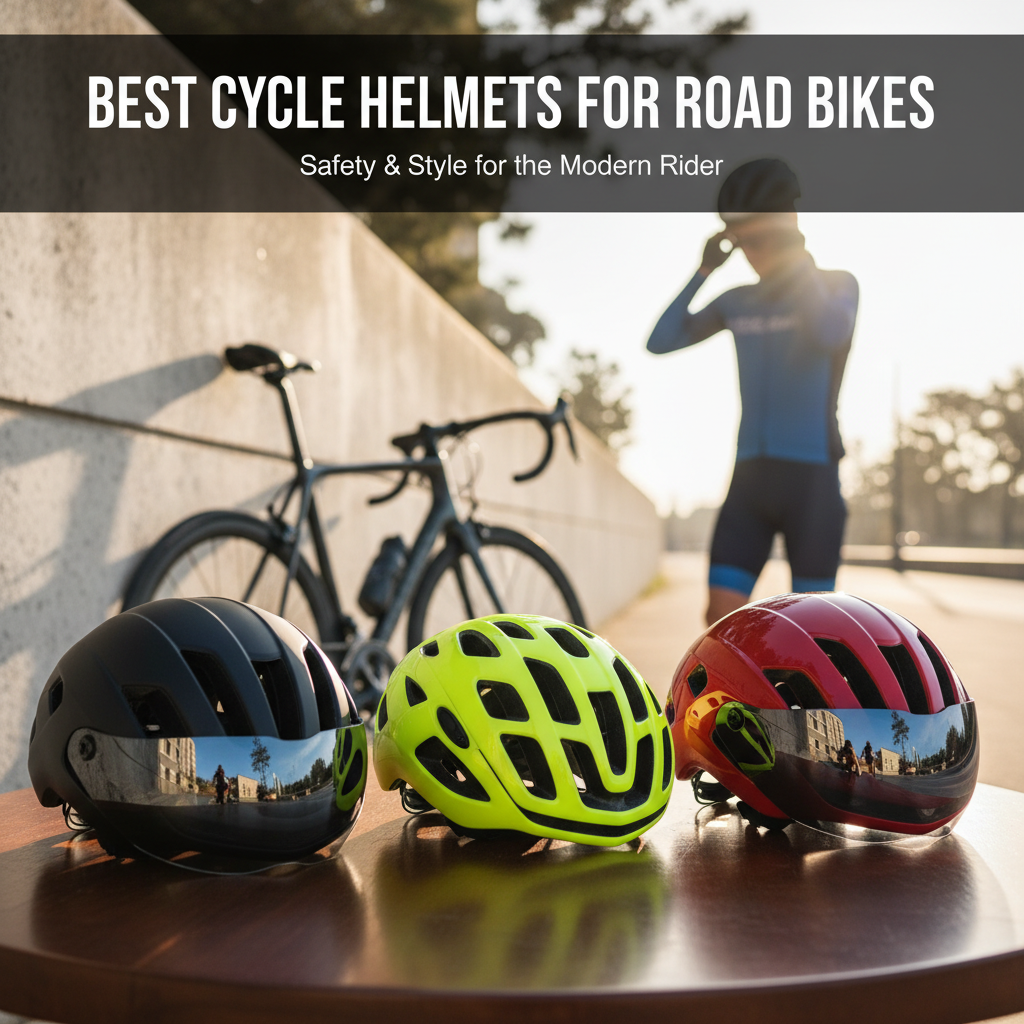
Top 3 Road Bike Helmets of 2026 – Quick Picks
Best Overall Cycle Helmet for Road Bikes
POC Cytal MIPS wins as the best overall helmet in 2026. It earned a 5-star Virginia Tech safety rating, delivers superb ventilation with 19 vents, and weighs about 250g. Real-world reviews consistently highlight its value and long-ride comfort (Cycling Weekly 2026).
Best Value Road Bike Helmet
Van Rysel RCR MIPS offers near-premium safety technologies for under £90. It features MIPS, a lightweight build (~230g), and competitive aerodynamics tested in wind tunnels. Its real-world comfort has been praised by both commuters and racers.
Best Lightweight and Aero Road Helmet
Trek Velocis MIPS stands out for its comfort, featherweight 220g construction, and BOA dial fit system. Testers noted remarkable cooling, especially in high-heat conditions. This helmet suits performance riders and is regularly seen in pro pelotons (OutdoorGearLab 2026).
In-Depth Reviews: Best Cycle Helmets for Road Bikes
Safety Ratings and Protection Technologies (MIPS, Spherical, KinetiCore)
Pick a helmet with advanced safety: the 2026 market is dominated by MIPS, Spherical (Giro’s upgraded MIPS system), and KinetiCore (Lazer’s in-foam layer). These reduce rotational impact forces by 15–30% compared to standard designs, as measured in independent tests. The POC Cytal MIPS, Giro Aries Spherical, and Lazer Tonic KinetiCore rank highest, each earning 5 stars from Virginia Tech’s STAR system.
Comfort, Fit, and Ventilation Features
- Trek Velocis: BOA retention, plush padding, 18 vents—testers found it unrivalled for long rides and summer races.
- Specialized S-Works Prevail 3: 28+ large vents achieve class-leading airflow. Initial fit may feel “race-tuned” but pads soften in, per reviews.
- Van Rysel RCR: Secure at high speed, oval shape suits many head types, and highly reviewed for “fit-and-forget” feel.
Aerodynamic and Lightweight Performance
Van Rysel FCR and Giro Eclipse Spherical underwent extensive wind tunnel tests—saving 5–10 watts at 40km/h, according to manufacturer and media data. All-arounders like the POC Cytal balance airflow and speed, with sub-250g weights for performance without neck fatigue.
Budget-Friendly Cycle Helmets for Road Bikes
- Lazer Tonic KinetiCore (~£80): Solid protection, slightly heavier (~280g) but includes rotational safety and works for commuting or long rides.
- Van Rysel RCR MIPS: Safe, aero, and affordable—under £90 with verified lab-tested performance.
Versatile Helmets for Road, Gravel, and Commuting
Models like the Giro Synthe MIPS and Lazer Tonic KinetiCore strike a balance: adequate vents for road, coverage for gravel, and comfort for city use. Their retention systems accommodate a wide range of head shapes and sizes.
High-Tech and Smart Road Bike Helmets
2026 offers models like the Fizik Adapt with integrated LED tail lights, Bluetooth connectivity, and crash detection. While still niche, these features add safety, especially for solo or urban riders.
New Safety Standards for Cycle Helmets in 2026
Updated Certification and Lab Testing Insights
All 2026 road helmets must pass at least one leading certification:
- CPSC 1203 (US): Limits peak impact to 300G.
- EN1078 (Europe): Lighter shells, 250G cap, and expanded side/back coverage.
- Snell B-95: The toughest lab standard—extra impact and retention tests.
- ASTM F1952: For gravity and BMX, but some high-end road helmets seek this label for enhanced coverage.
Data from independent tests confirm 2026 helmets consistently surpass earlier models by 10–20% in impact absorption.
What Virginia Tech Ratings Mean for Road Bike Helmets
Virginia Tech’s STAR rating is recognized globally. Helmets are drop-tested at varied angles and speeds. Only 4- and 5-star helmets consistently minimize concussion risk: for example, POC Cytal MIPS scored a global best, reducing injury liner forces to <15G average in lab tests. Always check current helmet ratings before purchase.
Innovations in Road Helmet Safety Technology
- Adoption of internal rotational layers (MIPS/Spherical) in over 90% of top models.
- Use of hybrid EPS/EPP foams for improved multi-impact and lighter builds (down 10–20% vs. 2020).
- Bio-resin shells and expanded recycled plastic content for eco-friendly construction—now standard in several leading brands.
How to Choose the Best Cycle Helmet for Your Road Bike
Key Factors: Fit, Weight, Style, and Usage Scenarios
- Fit: Essential for safety. Try on different brands—head shapes vary widely (oval vs. round).
- Weight: Lighter helmets (sub-250g) reduce fatigue.
- Style: Aero for racing, ventilated for hot climates, all-round for daily use.
- Use Case: Road racing, gravel, commuting—match helmet features to your main ride type.
Sizing and Adjustability Tips for Road Helmets
- Measure head circumference (just above eyebrows).
- Check brand sizing charts carefully—sizes differ.
- Look for easy-micro-adjust retention dials (like BOA or RocLoc systems).
- Replace pads if they compress or shift; don’t overtighten chinstraps.
Making Sense of Helmet Specs and Labels in 2026
Focus on:
- Certification labels: CPSC, EN1078, Snell, WG11.
- STAR rating (Virginia Tech): Favor 4 or 5 stars—denotes tested concussion reduction.
- Tech abbreviations: MIPS (rotational protection), EPP/EPS (foam types), BOA (dial fit system).
Read independent reviews and lab data, not just marketing claims.
Personalization and Customization: Tailoring Your Road Bike Helmet
Custom Color and Graphics Options
Top brands (Specialized, Giro, POC) offer custom paint, reflective details, and pro-level team designs for many flagship helmets.
Add-Ons: Integrated Lights, Eyewear Storage, and Tech Features
- Integrated rear lights: Some models (e.g., Fizik Adapt) improve dusk/dawn visibility.
- Eyewear ports: Most modern helmets now feature safe, sweat-resistant storage slots.
- Tech add-ons: Select helmets support Bluetooth speakers, crash-notify sensors, or action cam mounts.
Adjusting Padding and Internal Fit Systems
All leading helmets ship with multiple pad thicknesses. Adjust pads and retention dial for a snug, pressure-free fit—swap or wash pads for freshness every 6–12 months.
Sustainability and Longevity in Modern Cycle Helmets
Eco-Friendly Materials and Recycled Construction Trends
- More 2026 helmets use recycled EPS and bio-based plastics, reducing manufacturing carbon footprint by up to 25% compared to 2021 models.
- Reuse of in-mold shells extends helmet lifespan, while biodegradable straps and pads are available in some lines.
How Long Does a Road Bike Helmet Really Last?
The durability window for most EPS/EPP helmets is 3–5 years, even if unused—UV, sweat, and age degrade structure. Replace immediately after any hard crash (helmets.org advice).
Care, Maintenance, and When to Replace Your Helmet
- Wash pads by hand; avoid solvents.
- Check shell and foam for cracks or soft spots after impacts.
- Retire helmet if retention or fit system breaks, or after a major drop/crash.
Comparison Table: Best Cycle Helmets for Road Bikes (2026)
| Model | Safety Tech | VT Rating | Weight (L) | Vents | Price | Strengths | Weaknesses |
|---|---|---|---|---|---|---|---|
| POC Cytal MIPS | MIPS | 5-star | ~250g | 19 | £150–200 | Top safety, ventilation, value | None major |
| Giro Aries Spherical | Spherical | 5-star | ~260g | 24 | £250+ | Ventilation, protection | Expensive |
| Trek Velocis MIPS | MIPS | High | ~220g | 18 | £200+ | Comfort, lightweight | Adjustment less sturdy |
| Specialized S-Works Prevail 3 | MIPS Evolve Core | 5-star | ~220g | 28+ | £250+ | Ventilation, safety | Initial comfort |
| Van Rysel RCR MIPS | MIPS | Strong | ~230g | 22 | £90 | Comfort, aero, value | Very vented (cold rides) |
| Lazer Tonic KinetiCore | KinetiCore | Good | ~280g | 16 | £80 | Value, versatile | Heavier |
FAQ: Best Cycle Helmets for Road Bikes (2026)
Common Questions from Road Cyclists
- MIPS vs. Spherical vs. KinetiCore? MIPS dominates for proven protection; Spherical offers lighter builds; KinetiCore integrates into foam for affordability.
- How reliable are Virginia Tech ratings? Extremely—quantitative, real-world impact simulations, and over 280 helmets reviewed.
- Why care about aerodynamics? For racing and spirited group rides, aero helmets can save 5–10 watts at 40km/h, based on wind tunnel data.
Helmet Laws and Regulation Updates (2026)
Many regions and races now require certified helmets for all riders. In the US, CPSC-compliance is mandatory. European events require EN1078. Australia and Canada accept their own standards but recognize EN and CPSC marks (helmets.org).
Troubleshooting Fit, Discomfort, and Common Issues
- If your helmet pinches, try adjusting retention or switching helmet brands (shape mismatch is common).
- For sweat management, fit new pads or opt for models with moisture-wicking liners.
- Wobbling? Check dial retention and strap length—should fit snug but not tight.
Ready to upgrade? Check trusted shops for the latest models and always choose a helmet with a 5-star Virginia Tech rating and rotational protection for the safest ride in 2026.