Bike Cycling Exercise
Cycling is a fantastic way to improve your fitness, explore your local area, and enjoy the outdoors. This guide provides a clear, step-by-step plan for turning your bike rides into effective exercise. We'll cover everything from essential safety checks and getting your bike set up correctly to structuring your rides for the best results. Whether you're brand new to cycling or want to get more serious about your fitness, this practical guidance will help you start a safe, effective, and enjoyable bike cycling exercise routine.
Fast Answer
- Frequency: Aim for 3-4 rides per week to build fitness.
- Duration: Start with 20-30 minute rides on flat terrain.
- Key Action: Focus on a steady pedalling speed (cadence) rather than pushing hard gears.
- Core Principle: Consistency is more important than intensity when you're starting out.
Before You Start
Proper preparation is key to a safe and enjoyable ride. Taking a few minutes to get your gear and yourself ready will prevent common problems and help you focus on the exercise itself. Here’s what you need to have in order and what to check before you roll out.
What You Need
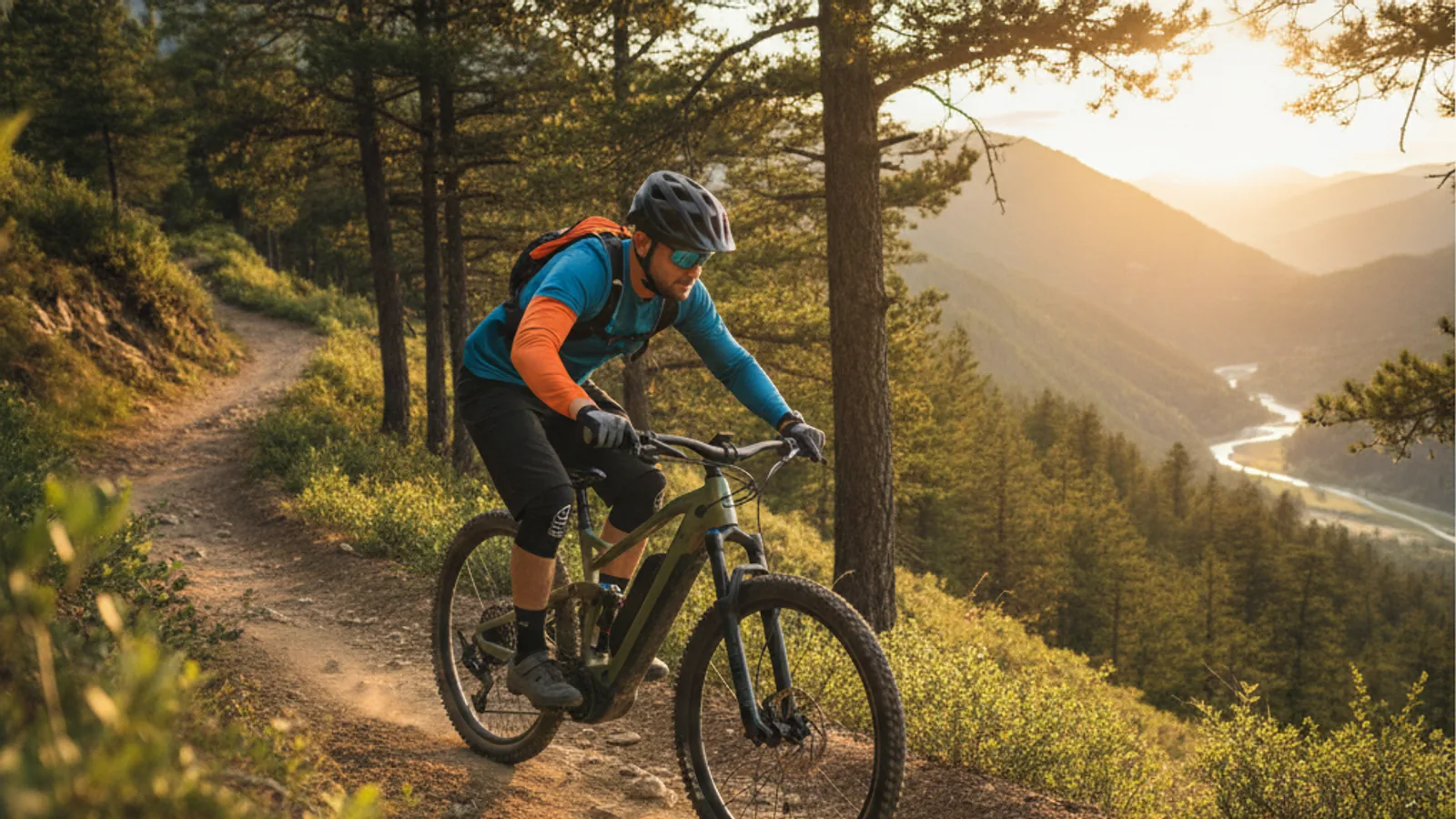
- A Suitable Bike: Ensure your bike is in good working order. It doesn't need to be expensive, but the brakes, gears, and tyres should be functional. Road bikes, hybrids, and mountain bikes can all be used for exercise.
- A Helmet: A well-fitting cycling helmet is a non-negotiable piece of safety equipment. Make sure it sits level on your head and the straps are snug.
- Comfortable Clothing: You don't need professional lycra to start. Wear comfortable, breathable clothing that won't get caught in the chain. Padded cycling shorts can significantly increase comfort on longer rides.
- Water Bottle and Cage: Staying hydrated is crucial. Most bikes have mounts for a bottle cage; make sure you have one and fill a bottle with water before you leave.
- Basic Repair Kit: A small saddlebag with a spare inner tube, tyre levers, and a mini-pump will save you from a long walk home in case of a puncture.
- Lights: If you plan to ride in low-light conditions (early morning, evening, or overcast days), front and rear lights are essential for being seen by others.
Safety, Timing, and Context Checks
- Check the Weather: Look at the forecast before you leave. Be prepared for changes in temperature or the possibility of rain.
- Plan Your Route: For your first few rides, choose a familiar, relatively flat route with minimal traffic, such as a local park, canal towpath, or a designated cycle path like those on the Sustrans network.
- Tell Someone Your Plan: Let a friend or family member know where you're going and roughly when you expect to be back.
Step-by-Step Instructions
Follow these steps to build a solid foundation for your bike cycling exercise programme. Each step focuses on a different aspect of effective cycling, from setup to execution and recovery.
Adjust Your Bike for a Comfortable Fit
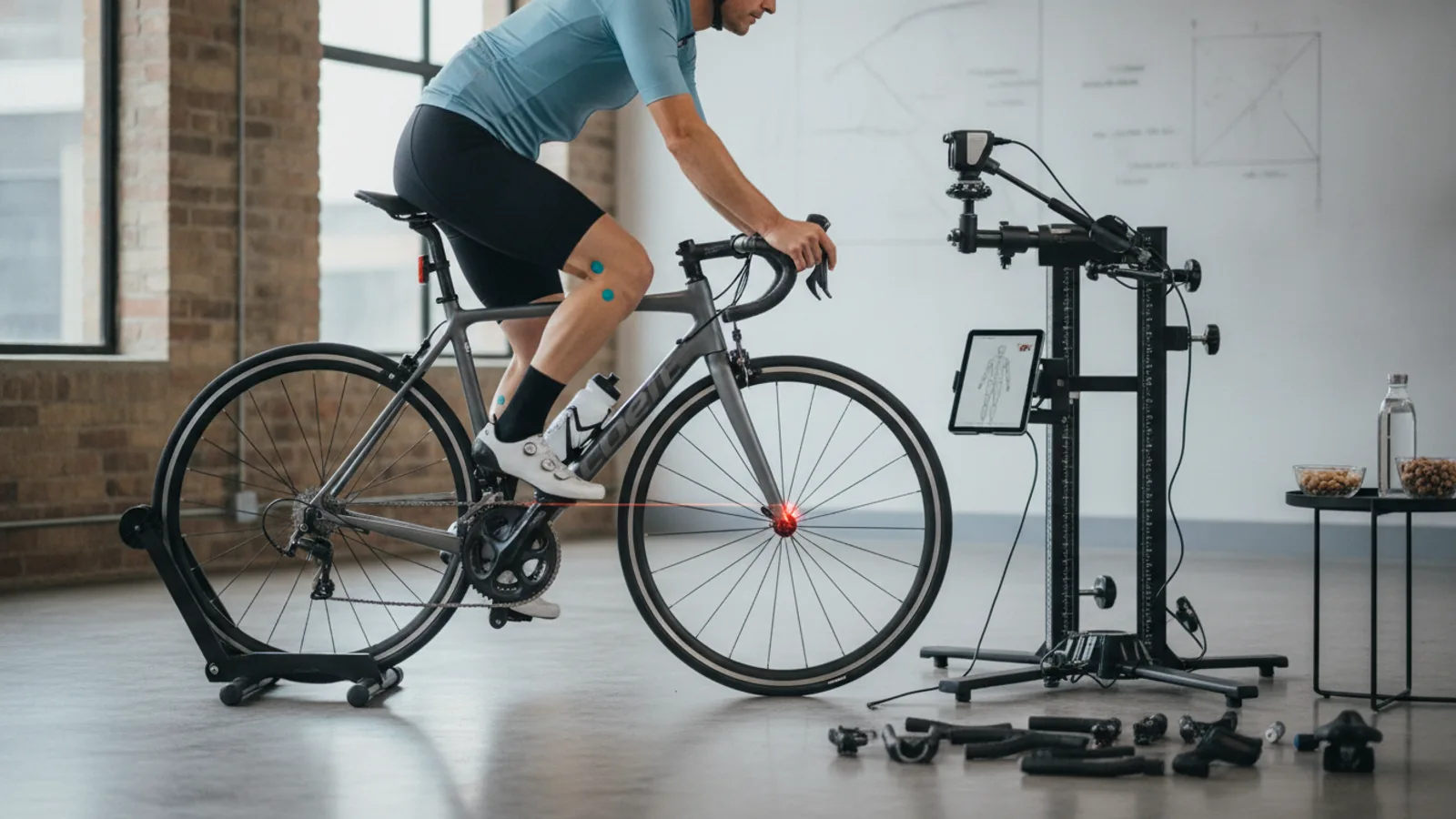
An improper bike fit is a leading cause of discomfort and injury. While a professional bike fit is the gold standard, you can make some basic adjustments at home to get started. The most important adjustment is saddle height.
To set your saddle height, place your heel on the pedal at its lowest point. Your leg should be almost completely straight. When you move your foot to the correct cycling position (with the ball of your foot over the pedal axle), you'll have a slight, comfortable bend in your knee. Your hips shouldn't rock from side to side as you pedal. You should also be able to reach the handlebars with a slight bend in your elbows, without having to stretch too far forward.
Plan and Start Your First Ride
Your first few rides should focus on enjoyment and building consistency, not speed or distance. Plan a short, 20-30 minute ride on a route you know is safe and relatively flat. The goal is to get your body used to the motion of cycling and to finish feeling good, not exhausted.
Don't worry about how fast you're going. Instead, concentrate on pedalling smoothly and staying relaxed on the bike. This initial phase is about building a habit and letting your muscles and joints adapt.
Master Your Gears and Cadence
One of the biggest mistakes beginners make is pushing a hard gear at a slow pedalling speed. This is inefficient and puts a lot of strain on your knees. Instead, you should aim to maintain a relatively consistent pedalling speed, known as cadence, by using your gears.
Your cadence is measured in revolutions per minute (RPM). While you may not have a sensor to measure it, a good target is a speed that feels brisk but not frantic, typically around 80-90 RPM. It should feel like you're spinning the pedals rather than stomping on them. Use your gears to keep this cadence steady: change to an easier gear (smaller chainring at the front, larger cog at the back) for hills or headwinds, and a harder gear for flat sections or downhills.
Focus on Good Posture and Form
Maintaining good posture on the bike will prevent aches and pains, especially in your back, neck, and shoulders. Your upper body should be relaxed. Keep a slight bend in your elbows to absorb bumps in the road. Your shoulders should be down and away from your ears, and your back should be relatively straight, not hunched over.
Keep a light but secure grip on the handlebars. A "death grip" will cause tension to build up in your hands, arms, and shoulders. Periodically check in with your body during the ride and consciously relax any areas where you feel tension.
Structure Each Ride with a Warm-Up and Cool-Down
Treat your bike cycling exercise like any other workout by including a proper warm-up and cool-down. This helps prepare your body for the effort and aids in recovery, reducing muscle soreness.
- Warm-up (5-10 minutes): Start every ride by pedalling gently in an easy gear. This gradually increases your heart rate and blood flow to your muscles, preparing them for the main part of your ride.
- Main Set (10-40 minutes): This is the core of your workout. For beginners, this simply means riding at a steady, comfortable pace where you can hold a conversation. As you get fitter, you can introduce more intensity here.
- Cool-down (5 minutes): End your ride with 5 minutes of very easy spinning. This allows your heart rate to return to normal gradually and helps flush metabolic waste products from your muscles.
Stay Fuelled and Hydrated
For rides under an hour, water is usually sufficient. Take a sip from your water bottle every 15-20 minutes, even if you don't feel thirsty. Dehydration can significantly impact your performance and how you feel after the ride.
If you plan to ride for longer than 90 minutes, you'll need to think about fuel. Your body stores enough energy (glycogen) for about 90 minutes of moderate exercise. For longer efforts, plan to consume a small, easily digestible carbohydrate snack, like a banana or an energy gel, every 45-60 minutes to keep your energy levels up.
Establish a Consistent Weekly Routine
Consistency is the single most important factor in improving your fitness. Aim to ride 3 to 4 times per week. This frequency allows for fitness gains while also giving your body adequate time to recover and adapt between sessions.
A good starting schedule might be a 30-minute ride on Tuesday, another on Thursday, and a slightly longer 45-60 minute ride at the weekend. Listen to your body; if you feel overly tired, it's okay to take an extra rest day. The goal is to build a sustainable habit that you can stick with for the long term.
Quick Reference
| Situation | Use this | Why |
|---|---|---|
| Starting a hill climb | Shift to an easier gear before you start climbing | It maintains your pedalling momentum (cadence) and prevents strain on your knees and gears. |
| Feeling sore in the saddle | Check saddle height and angle; consider padded shorts | Discomfort is often caused by poor fit or pressure. Padded shorts provide crucial cushioning. |
| Riding into a strong headwind | Shift to an easier gear and pedal faster | This allows you to maintain forward progress without exhausting your muscles by pushing a hard gear. |
| Want to build endurance | A longer, steady ride at a conversational pace | This type of ride improves your body's ability to use fat for fuel and strengthens your cardiovascular system. |
Common Problems When You Start Bike Cycling Exercise
It's normal to encounter a few small issues as you begin a new exercise routine. Here are some of the most common problems new cyclists face and how to solve them.
- Saddle Soreness: This is the most frequent complaint. It's often caused by a combination of an unsupportive saddle, improper bike fit, and your body simply not being used to the pressure. The fix: Invest in a pair of padded cycling shorts, make sure your saddle is level and at the correct height, and gradually increase your ride time to allow your body to adapt. If pain persists, consider trying different saddles.
- Knee Pain: Pain at the front of the knee often suggests your saddle is too low, while pain at the back of the knee can mean it's too high. The fix: Revisit your saddle height adjustment. Small, incremental changes can make a big difference. Also, ensure you are not mashing heavy gears; focus on spinning in an easier gear.
- Numb Hands: This is usually caused by putting too much weight on the handlebars. The fix: Check your bike fit to ensure you aren't over-reaching. Keep a light grip, bend your elbows to act as shock absorbers, and change your hand position on the bars periodically during your ride.
- Stiff Neck and Shoulders: Tension often builds up here from being locked in one position. The fix: Remind yourself to relax your shoulders, dropping them away from your ears. Do gentle neck stretches and shoulder rolls during brief stops. Ensure your handlebars aren't too low or too far away.
Advanced Tips for Bike Cycling Exercise
Once you're comfortable with your routine and can consistently ride for 45-60 minutes, you might want to challenge yourself further. These tips will help you take your fitness to the next level.
- Introduce Intervals: Interval training is a highly effective way to boost your fitness. Try incorporating short bursts of higher-intensity effort into your rides. For example, pedal hard for 1 minute, then recover with 2 minutes of easy pedalling. Repeat this cycle 5-8 times during the main set of your ride.
- Add Hills to Your Routes: Riding uphill is a fantastic strength workout. Don't be afraid to add routes with gentle, rolling hills. Use your gears to find a challenging but sustainable climbing rhythm. Remember to stay seated for long climbs to conserve energy.
- Track Your Progress: Using a simple cycle computer or a smartphone app (like Strava or Komoot) to track your distance, time, and speed can be very motivating. Seeing your average speed increase or your regular routes feel easier is a great sign of progress.
- Join a Club or Group: Riding with others is a great way to stay motivated, discover new routes, and learn from more experienced cyclists. Look for a local cycling club with a "beginners" or "social" group ride.
Bike Cycling Exercise FAQ
How often should I cycle to get fit?
For noticeable fitness improvements, aim for consistency. Riding 3-5 times per week is a great target. The combination of regular, shorter rides during the week and a longer ride at the weekend works well for many people.
Is outdoor cycling better than an indoor stationary bike?
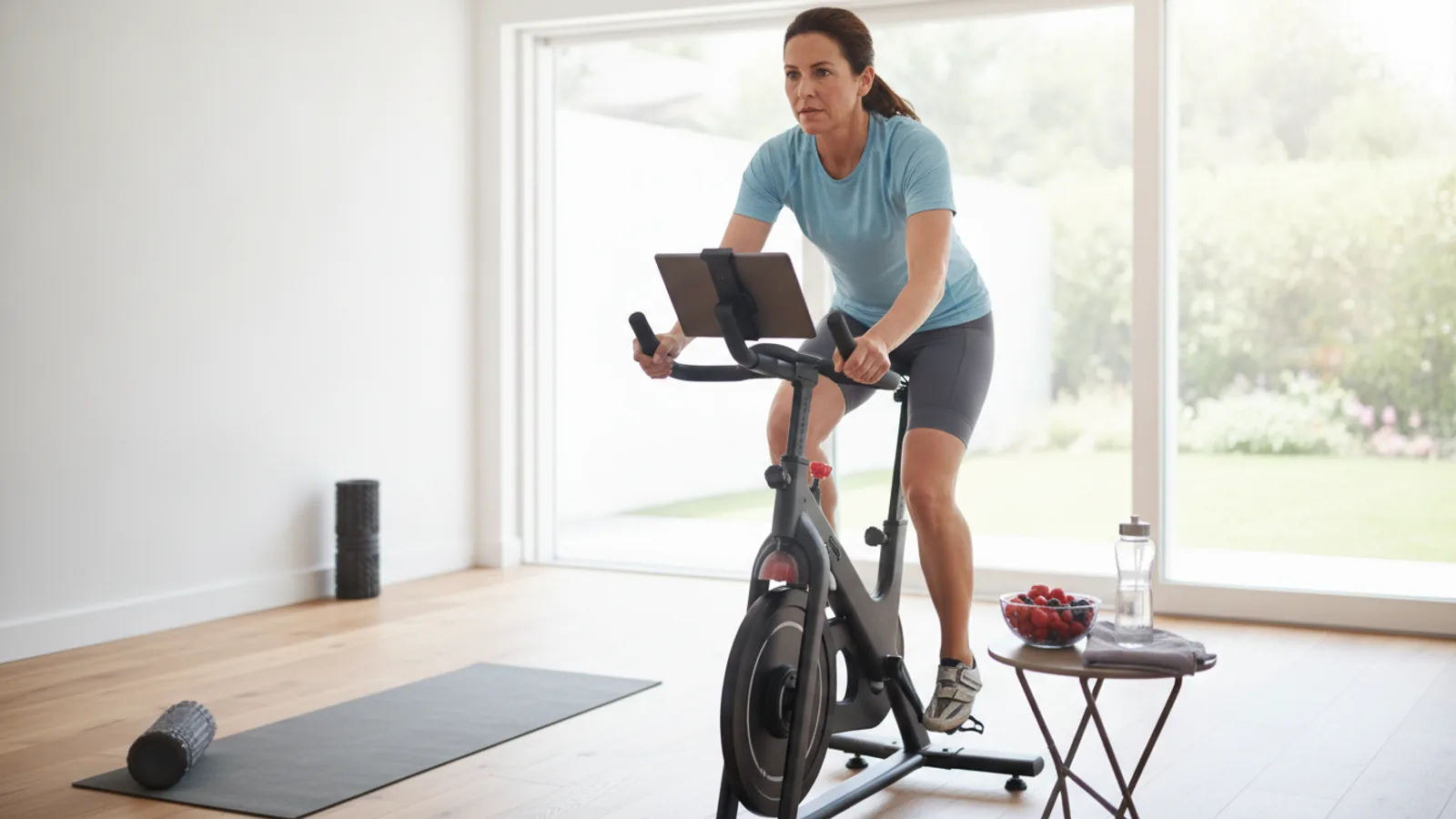
Both are effective forms of exercise. Outdoor cycling offers the benefits of fresh air, varied scenery, and the challenge of changing terrain and wind resistance, which can make for a more complete workout. Indoor cycling offers convenience, safety from traffic, and the ability to control your workout intensity precisely, regardless of the weather. A mix of both can be an excellent strategy.
What's more important: distance or speed?
For a beginner, neither is as important as time and consistency. Focusing on spending a certain amount of time on the bike (e.g., 30 minutes) at a comfortable effort is the best way to build a fitness base. As you improve, you can start to focus on increasing your distance or your average speed, depending on your goals.
Do I need special shoes and pedals?
No, you can start cycling for exercise with regular trainers and flat pedals. However, as you progress, you might consider "clipless" pedals and cycling shoes. This system attaches your shoe to the pedal, allowing you to pull up as well as push down, which is more efficient and can generate more power. They are a common upgrade but are not necessary when you're starting out.
Final Checklist for Bike Cycling Exercise
Use this quick checklist before and after your rides to ensure you're building a safe and effective exercise habit.
- Pre-Ride Check: Have you done your 'ABC' check (Air, Brakes, Chain)?
- Safety Gear: Are you wearing a helmet? Do you have lights if needed?
- Route Plan: Do you have a safe and suitable route in mind for your fitness level?
- Hydration: Is your water bottle full?
- Ride Structure: Did you remember to include a 5-10 minute warm-up and a 5-minute cool-down?
- Pacing: Are you using your gears to maintain a comfortable cadence rather than grinding a hard gear?
- Listen to Your Body: Are you paying attention to any new aches or pains? Adjust your position or take a rest day if needed.
- Consistency: Are you aiming for 3-4 rides per week to build and maintain your fitness?