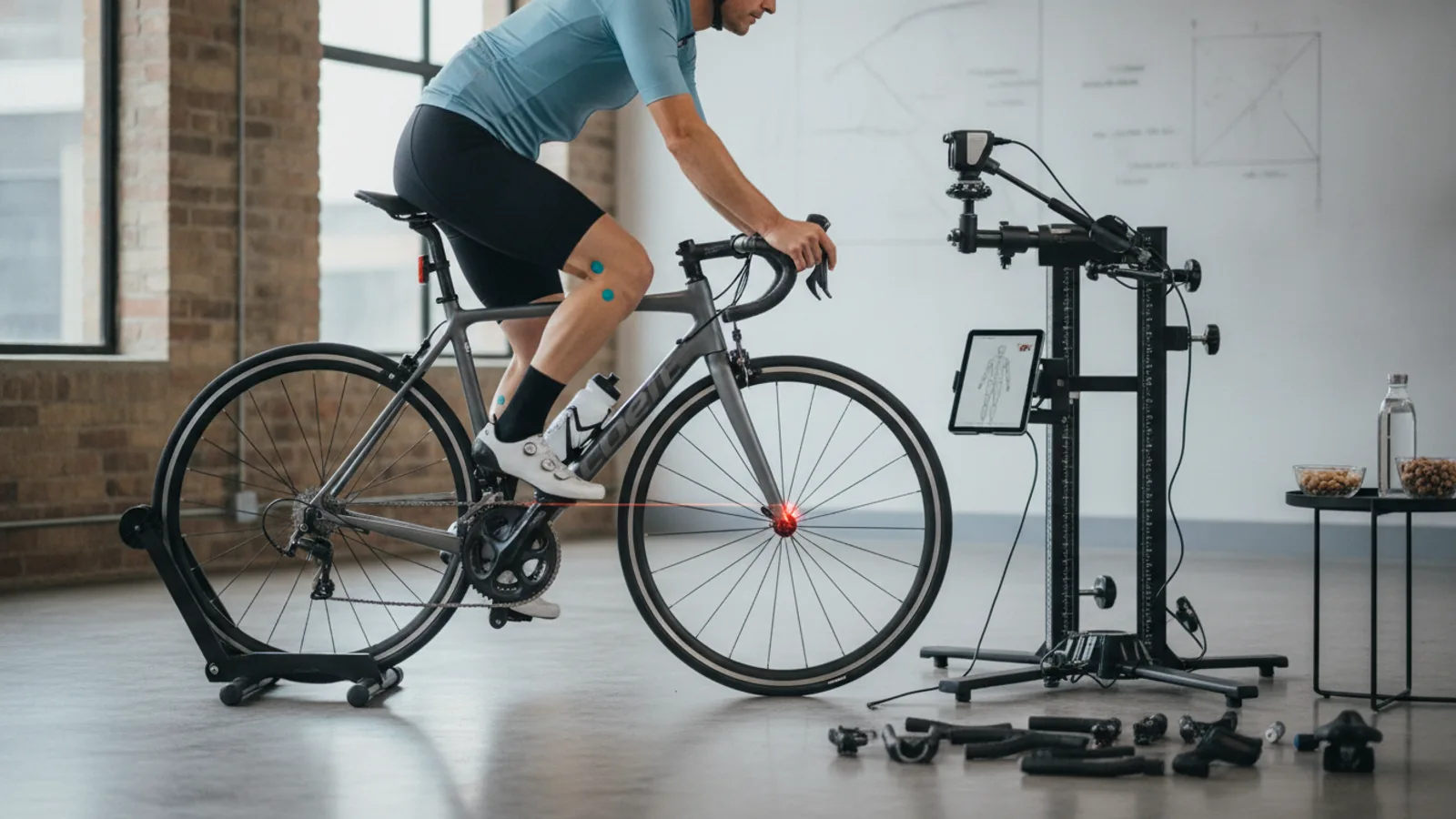

How Do You Measure A Frame On A Bike
This guide explains how to approach how do you measure a frame on a bike, including the preparation, practical steps, common mistakes, and final checks that help you finish with confidence.
Before You Start
Gathering a few basic tools and understanding what you're looking for will make the process quick and accurate. The main challenge isn't the measurement itself, but knowing which measurements matter for your type of bike and how manufacturers present their sizing.
What You Need
Safety, Timing, or Context Checks
Before you take any measurements, it's vital to understand that there is no single, universal standard for bike sizing. A "56cm" frame from one brand can fit very differently from a "56cm" frame from another. Your own measurements are the only reliable source of truth.
How to Measure a Frame On a Bike
Follow these steps in order to get a complete and accurate picture of your bike frame's size. Take your time and measure twice to ensure your numbers are correct.
Quick Reference
While all measurements are useful, some are more important than others depending on the type of bike and riding you do. Here’s a quick guide to what to prioritise.
Common Problems When You Measure a Frame On a Bike
Even with a guide, you might run into some confusing situations. Here are a few common issues and how to solve them.
The manufacturer's stated size doesn't match what I measured.
My tape measure is flexible and hard to hold straight.
I can't find a geometry chart for this older, used bike.
Advanced Tips for Measuring a Bike Frame
Once you've mastered the basics, these concepts will give you an even more precise understanding of bike fit.
Understand Reach and Stack
Reach and Stack are the two most important measurements used by modern bike designers and professional fitters. They describe the fit in a way that is independent of seat tube angles or other variables.
- Stack: The vertical distance from the centre of the bottom bracket to the top-centre of the head tube. It determines how high the handlebars are. A higher stack means a more upright riding position.
- Reach: The horizontal distance from the centre of the bottom bracket to the top-centre of the head tube. It determines how long the bike feels when you're standing on the pedals. A longer reach means a more stretched-out position.
These are harder to measure accurately without special tools, but they are almost always listed on manufacturer geometry charts and are the best numbers for comparing the fit of performance-oriented bikes across different brands.
Factor in Your Own Body Proportions
A bike frame is only one half of the equation; your body is the other. Your own measurements, particularly your inseam (for standover clearance) and your torso/arm length (for reach), are vital. Someone with long legs and a short torso will need a frame with a higher stack and shorter reach compared to someone with a long torso and shorter legs, even if they are the same overall height.
Remember a Frame is Just the Starting Point
The frame size is the foundation of your bike fit, but it's not the end of the story. Components like the stem (length and angle), handlebars (width and shape), seatpost (setback), and saddle position can all be changed to fine-tune your fit. Measuring the frame correctly ensures you have a starting point that is in the right ballpark, giving you room to make these smaller, crucial adjustments.
How Do You Measure A Frame On A Bike FAQ
What is the most important measurement on a bike frame?
Is a 58cm bike frame always the same size?
How much standover height do I really need?
Final Checklist for Measuring a Bike Frame
Before you make a decision based on your measurements, run through this final checklist to ensure you've covered all the bases for an accurate assessment.
- The bike was positioned perfectly upright and on level ground for all measurements.
- All key reference points (centre of BB, top of head tube, etc.) were correctly identified.
- Seat tube length was measured and noted (specifying C-T or C-C if possible).
- Effective Top Tube (ETT) was measured horizontally using a spirit level or straight edge.
- Standover height was measured from the ground at the midpoint of the top tube.
- Head tube length was measured (excluding headset cups).
- All measurements were clearly written down with their units (cm or inches).
- You have compared your measurements to the manufacturer's official geometry chart if it's available.