How Do You Measure For A Bicycle Frame Size
This guide explains how to approach how do you measure for a bicycle frame size, including the preparation, practical steps, common mistakes, and final checks that help you finish with confidence.
Before You Start
Step-by-Step Instructions
Quick Reference
Common Problems When You Measure For A Bicycle Frame Size
Even with careful steps, a few common pitfalls can lead to an incorrect size recommendation. Here’s what to watch out for and how to fix it.
Mistaking Trouser Inseam for Cycling Inseam
The Problem: Your trouser inseam is measured along the seam of your leg and is always shorter than your true cycling inseam (crotch-to-floor measurement). Using it will lead you to buy a bike that is far too small.
The Fix: Always use the book method described in Step 3. It's the only way to get the accurate standover measurement needed for bike fitting.
Inaccurate Measuring Conditions
The Problem: Measuring with shoes on, on a soft carpet, or not standing fully straight will introduce errors that can throw off your results by several centimetres.
The Fix: Be meticulous. Use a hard floor, remove your shoes, stand straight against a wall, and have a friend help you ensure the tape measure and book are level.
Falling Between Two Sizes
The Problem: It's very common for your measurements to land directly between two frame sizes on a manufacturer's chart.
The Fix: The traditional advice is to size down. It's easier to make a slightly smaller bike fit by raising the saddle or fitting a longer stem. A smaller frame is also more nimble and provides better standover clearance. If you prefer a more stable, stretched-out feel, you might prefer the larger size, but it's crucial to test ride it first if possible.
Focusing Only on Frame Size
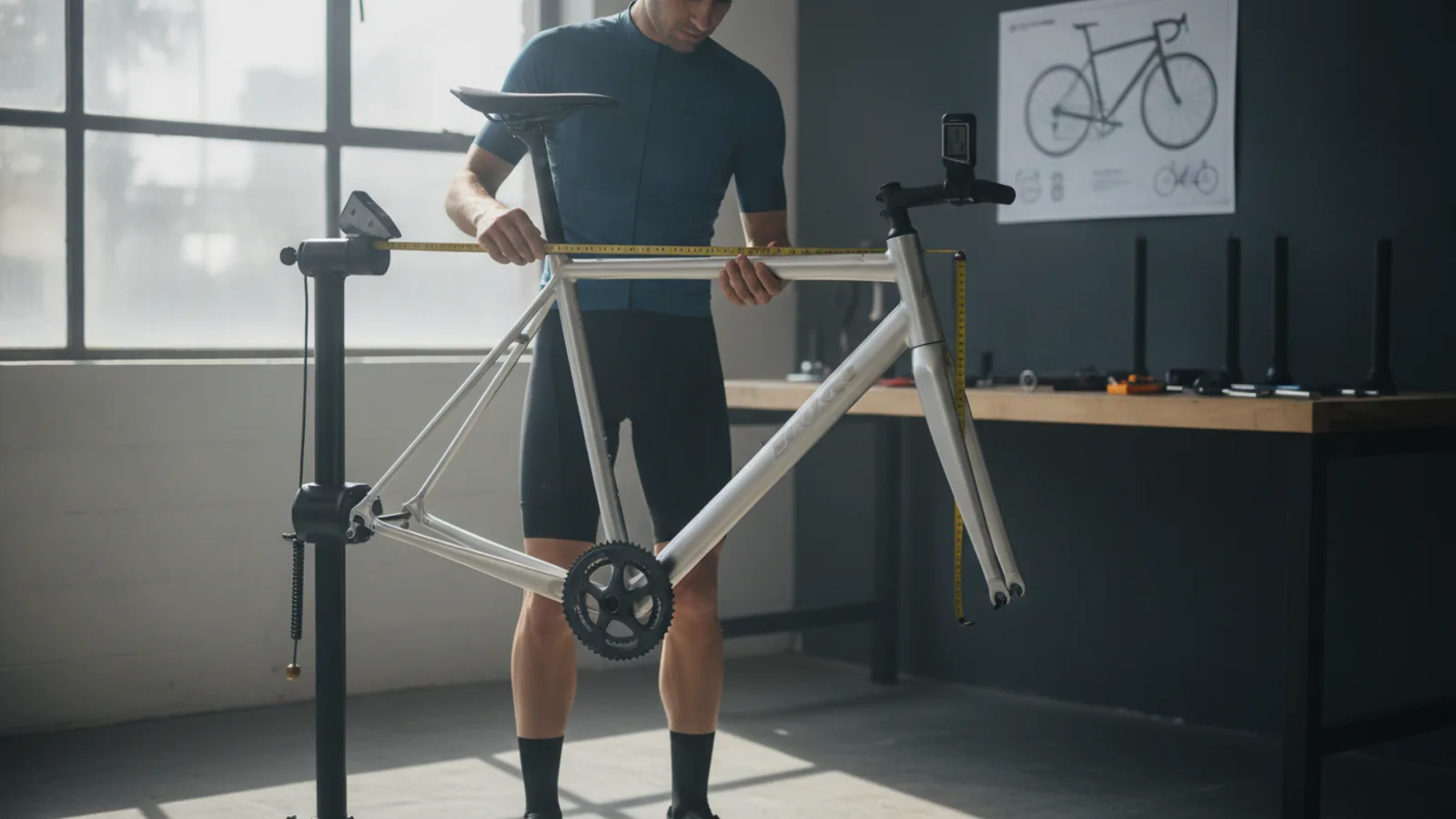
The Problem: A "56cm frame" tells you the seat tube length, but it doesn't tell you how long the bike is. The top tube length (or "reach") is just as critical for comfort.
The Fix: Pay attention to the "Reach" and "Stack" numbers on the geometry chart if they are provided. These give you a much better idea of how stretched out or upright your riding position will be. We cover this more in the Advanced Tips section.
Advanced Tips for Measuring For A Bicycle Frame Size
Once you've mastered the basics, these tips can help you fine-tune your choice for an even better fit, especially if you're a keen cyclist.
Consider Your "Ape Index"
Your Ape Index compares your arm span to your height. To find it, measure your arm span from fingertip to fingertip and subtract your height. If you have a positive Ape Index (your arms are wider than you are tall), you may be more comfortable on a bike with a longer "reach" or even the larger of two frame sizes. If you have a negative Ape Index (shorter arms), a bike with a shorter reach will likely prevent you from feeling overstretched.
Understand Stack and Reach
These are the two most important measurements in modern bike geometry. They offer a standardised way to compare the fit of different bikes.
- Stack: The vertical distance from the centre of the bottom bracket to the top of the head tube. A higher stack provides a more upright, relaxed riding position.
- Reach: The horizontal distance between those same two points. A longer reach creates a more stretched-out, aggressive, and aerodynamic riding position.
If you know you prefer a comfortable, upright posture, look for bikes with a higher stack and shorter reach. If you're a competitive racer, you'll want the opposite.
Invest in a Professional Bike Fit
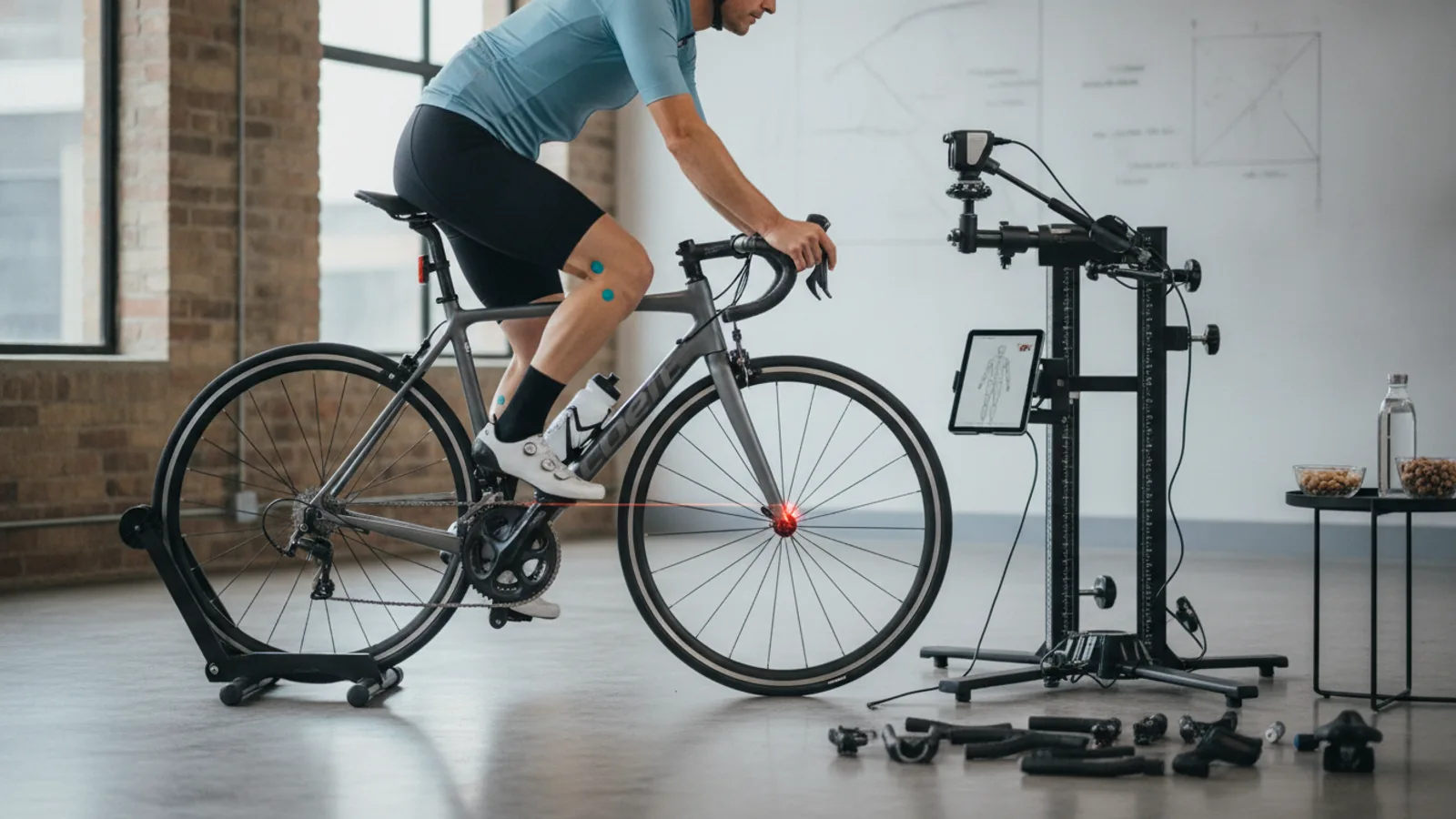
If you plan to ride long distances, have persistent aches and pains on your current bike, or are investing a significant amount of money in a new one, a professional bike fit is invaluable. A trained fitter uses specialised tools and their expertise to analyse your body, flexibility, and riding style. They can recommend the perfect bike geometry for you or adjust your existing bike to eliminate discomfort and improve efficiency.
How Do You Measure For A Bicycle Frame Size FAQ
Do women-specific bikes have different sizing?
Often, yes. Women-specific design (WSD) bikes may feature shorter top tubes, narrower handlebars, and women-specific saddles to reflect anatomical averages. However, the best bike for any rider is the one that fits their individual body, regardless of gender labels. Always use your personal measurements to check the geometry chart.
How is a child's bike measured?
Children's bikes are sized by their wheel diameter (e.g., 12", 16", 20", 24"), not by frame size. The key is for the child to be able to stand over the top tube with both feet flat on the ground and to comfortably reach the handlebars and brake levers.
Can I just use my height to find my bike size?
Using your height is a very rough starting point, but it can be misleading. People of the same height can have very different leg and torso lengths. Measuring your cycling inseam is far more accurate because it directly relates to standover clearance, a critical aspect of a safe and comfortable fit.
Does frame material affect the size I need?
No, the frame material (whether it's carbon fibre, aluminium, steel, or titanium) does not change the sizing. A 56cm carbon frame and a 56cm steel frame of the same model from the same brand should have identical geometry and fit the same way.
Final Checklist for Measuring For A Bicycle Frame Size
- You measured on a hard, level floor, not carpet.
- You measured your height and inseam without shoes on.
- You used the book method to get an accurate, firm cycling inseam measurement.
- You have located the official, model-specific size chart from the bike's manufacturer.
- You have confirmed your inseam provides adequate standover clearance for the frame size.
- You have considered your riding style (e.g., relaxed vs. aggressive) when choosing between sizes or geometries.