
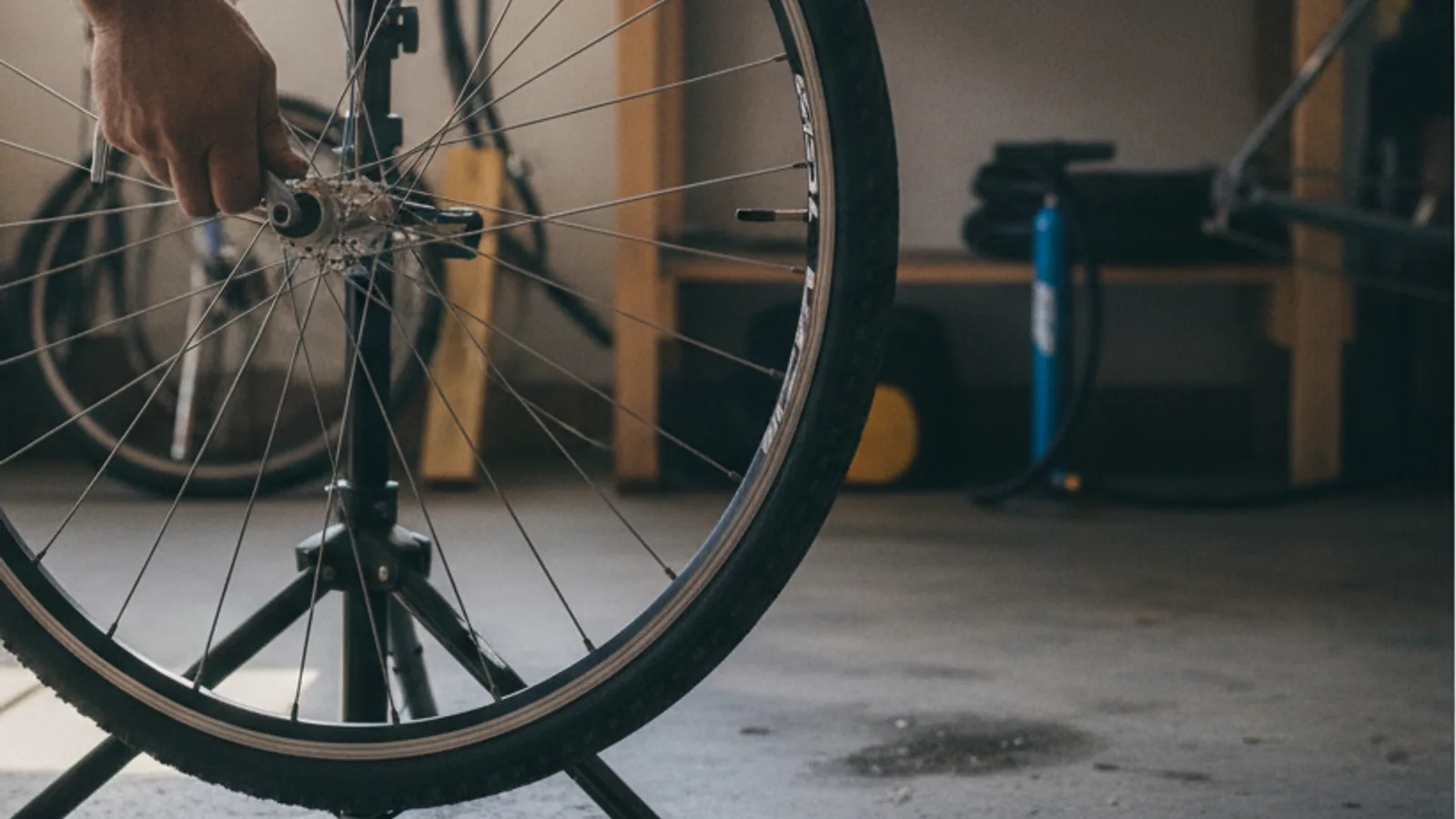
How To Change A Bicycle Tyre
This guide explains how to approach how to change a bicycle tyre, including the preparation, practical steps, common mistakes, and final checks that help you finish with confidence.
Before You Start
Step-by-Step Instructions
Quick Reference
Common Problems When You Change A Bicycle Tyre
Even with a good guide, a few things can go wrong. Here are the most common issues and how to solve them.
Pinch Flats or "Snake Bites"
This happens when the inner tube gets pinched between the tyre bead and the wheel rim during installation. It often creates two small, parallel holes resembling a snake bite. The best way to prevent this is to partially inflate the tube before installing it to give it shape, and to avoid using tyre levers to force the tyre back onto the rim.
Tyre Bead Won't Seat Properly
Sometimes, a section of the tyre bead remains stuck in the centre well of the rim instead of popping up into place. This creates a low spot or wobble in the tyre. To fix this, inflate the tyre to a high pressure (within its recommended maximum) to encourage the bead to "pop" into place. If that doesn't work, deflate it, apply a small amount of soapy water to the tyre bead and rim, and try inflating again. The soap acts as a lubricant.
Valve Stem is Crooked
After installing the tube and tyre, the valve stem should stick straight out of the rim, perpendicular to it. If it's leaning at an angle, it can be damaged at the base. Before you fully inflate the tyre, pull the valve stem straight. You may need to push the tyre up and away from the valve area to give it room to straighten out.
Advanced Tips for Changing A Bicycle Tyre
Once you've mastered the basics, you might consider these upgrades and techniques for fewer flats and faster fixes.
How To Change A Bicycle Tyre FAQ
How often should I change my bicycle tyres?
You should replace a tyre when it's punctured and cannot be repaired, or when it's worn out. Signs of a worn-out tyre include a flattened or squared-off tread profile, visible threads or casing showing through the rubber, persistent punctures, and deep cuts or cracks in the sidewalls.
Can I repair a punctured inner tube?
Yes, absolutely. Using a simple patch kit, you can easily repair small holes in an inner tube. It's a great skill to learn and is more economical and environmentally friendly than replacing the tube every time. It's often best to install a new tube when you're out on a ride for speed, and patch the old one when you get home to keep as a spare.
What's the difference between Presta and Schrader valves?
Presta valves are taller, thinner, and typically found on road and high-performance bikes. They have a small locknut at the tip that you must unscrew before inflating. Schrader valves are the same type used on car tyres—shorter, wider, and with a spring-loaded pin in the centre. Your pump head must match your valve type.
Do I really need tyre levers?
For most tyre and rim combinations, yes. Some loose-fitting tyres can be removed and installed by hand, but the vast majority require the leverage that only a proper tyre lever can provide. They are an inexpensive and essential tool for any cyclist.
Final Checklist for Changing A Bicycle Tyre
Before you jump back on your bike, run through this quick safety checklist: