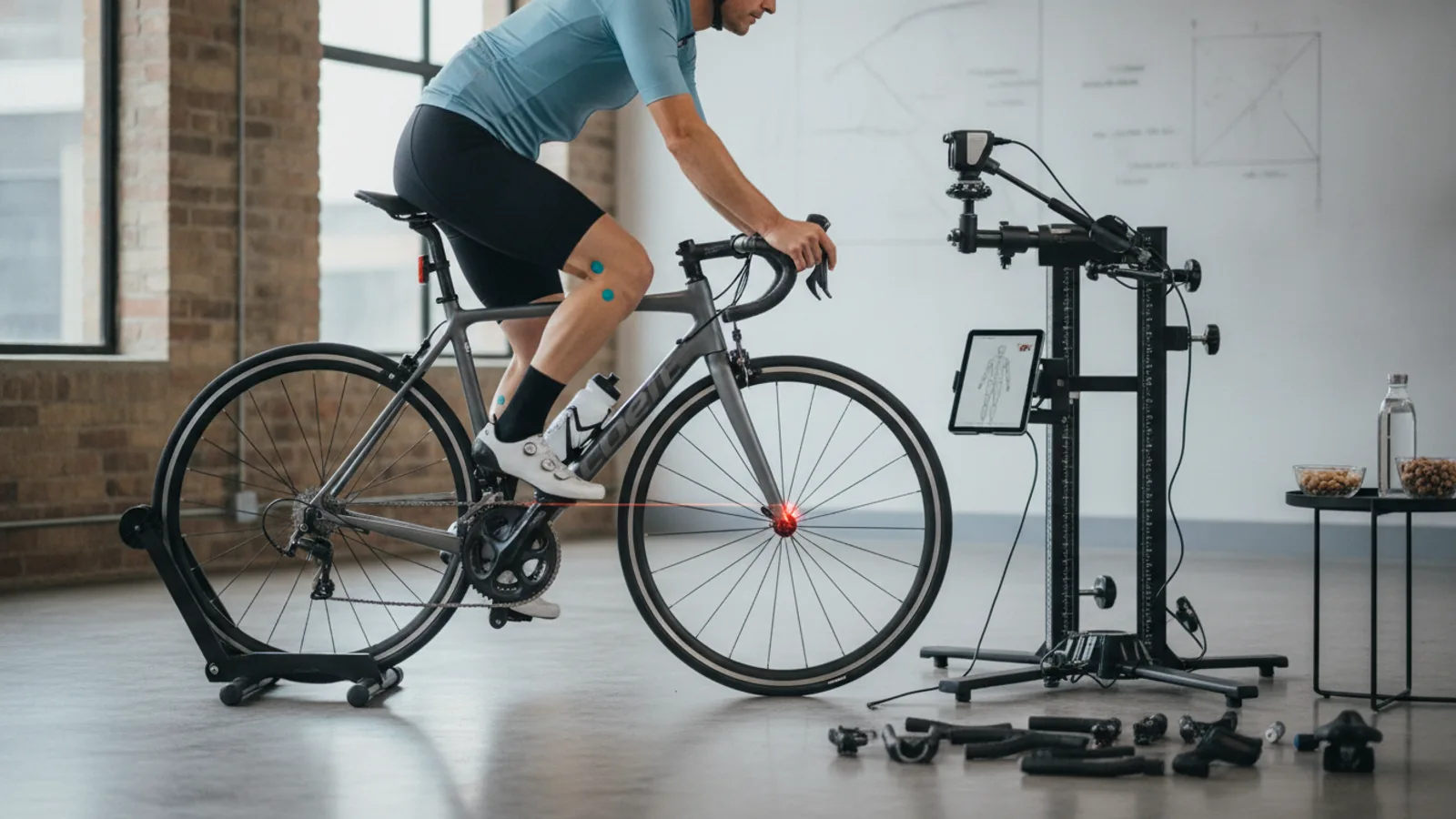
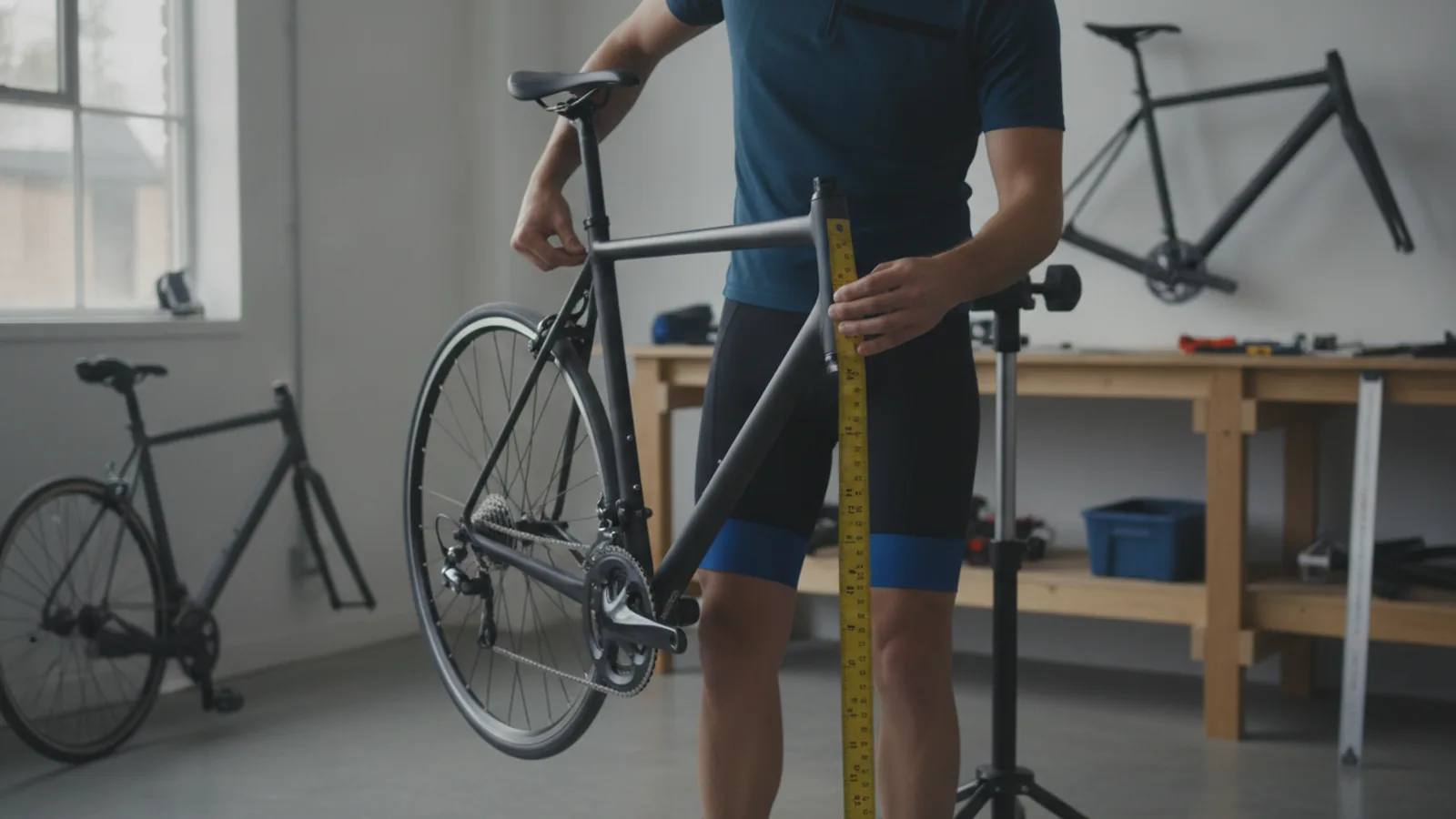
How To Measure For Bike Size Frame
This guide explains how to approach how to measure for bike size frame, including the preparation, practical steps, common mistakes, and final checks that help you finish with confidence.
Before You Start
Gathering a few simple household items and setting up your space correctly is key to getting an accurate measurement. This process is straightforward, but precision matters.
What You Need
Safety, Timing, or Context Checks
Before you take any measurements, it's important to understand what they mean and how they're used.
Step-by-Step Instructions
Follow these steps carefully to find your two most important bike-fitting measurements: your inseam and your total height.
Quick Reference
Common Problems When You Measure For Bike Size Frame
Even with a simple process, a few common issues can arise. Here’s how to troubleshoot them for a perfect measurement.
My measurements seem to change each time I do it.
The size chart says I am between two sizes. Which one should I choose?
The formula gave me a different size than the manufacturer's chart.
I'm not sure the book is perfectly level when I mark the wall.
Advanced Tips for How To Measure For Bike Size Frame
Once you've mastered the basics, you can consider a few more advanced concepts that professional bike fitters use to dial in the perfect ride.
Understand Your "Ape Index"
Your Ape Index is the difference between your arm span and your height. To measure it, stand with your arms stretched out to the sides and have someone measure from the tip of one middle finger to the other.
Arm Span - Height = Ape Index
- A positive Ape Index (arms longer than you are tall) means you have a longer reach. You might feel more comfortable on a slightly larger frame or a bike with a longer "reach" measurement.
- A negative Ape Index (arms shorter than you are tall) means you have a shorter reach. You might prefer a smaller frame size or a bike with a shorter stem to avoid feeling over-stretched.
Look at Reach and Stack Numbers
For enthusiasts, the two most important geometry numbers on any modern bike chart are Reach and Stack.
- Reach: This is the horizontal distance from the centre of the bottom bracket to the centre of the head tube. It essentially dictates how long the bike will feel when you're standing on the pedals or seated. A longer reach means a more stretched-out, aggressive riding position.
- Stack: This is the vertical distance from the centre of the bottom bracket to the top of the head tube. It determines how high the handlebars are. A higher stack means a more upright, relaxed riding position, often found on endurance or touring bikes.
If you know you prefer a certain riding style, comparing the Reach and Stack numbers between bikes can be more informative than just looking at the seat tube length (e.g., 54cm).
Factor in Your Flexibility and Riding Style
Your personal fitness and goals matter. A highly flexible cyclist who races might prefer a smaller, more aggressive frame to get into an aerodynamic position. In contrast, a rider planning long-distance tours or someone with lower back stiffness will be far more comfortable on a bike with a more relaxed geometry (typically a higher stack and shorter reach), which might be found on an "endurance" model.
How To Measure For Bike Size Frame FAQ
Can I just use an online bike size calculator?
Is bike frame sizing different for men and women?
What if I have a long torso and short legs, or vice versa?
Does the frame material (carbon, aluminium, steel) affect the size I need?
Final Checklist for How To Measure For Bike Size Frame
Before you commit to a purchase, run through this final checklist to ensure you've covered all the bases.
- You have an accurate inseam measurement taken in bare feet with firm pressure.
- You have an accurate total height measurement taken without shoes.
- You have found the official manufacturer's size chart for the exact bike model you want.
- You have located your height and inseam on the chart to find the recommended size.
- If you fall between two sizes, you have considered your body proportions (Ape Index) and desired riding style to make an informed choice.
- You understand that this process provides the correct frame size, and further adjustments (saddle height, stem, etc.) will be needed to perfect your fit.
- You acknowledge that for the ultimate in comfort and performance, especially for high-mileage riders or those with existing injuries, a professional bike fit is the best investment.