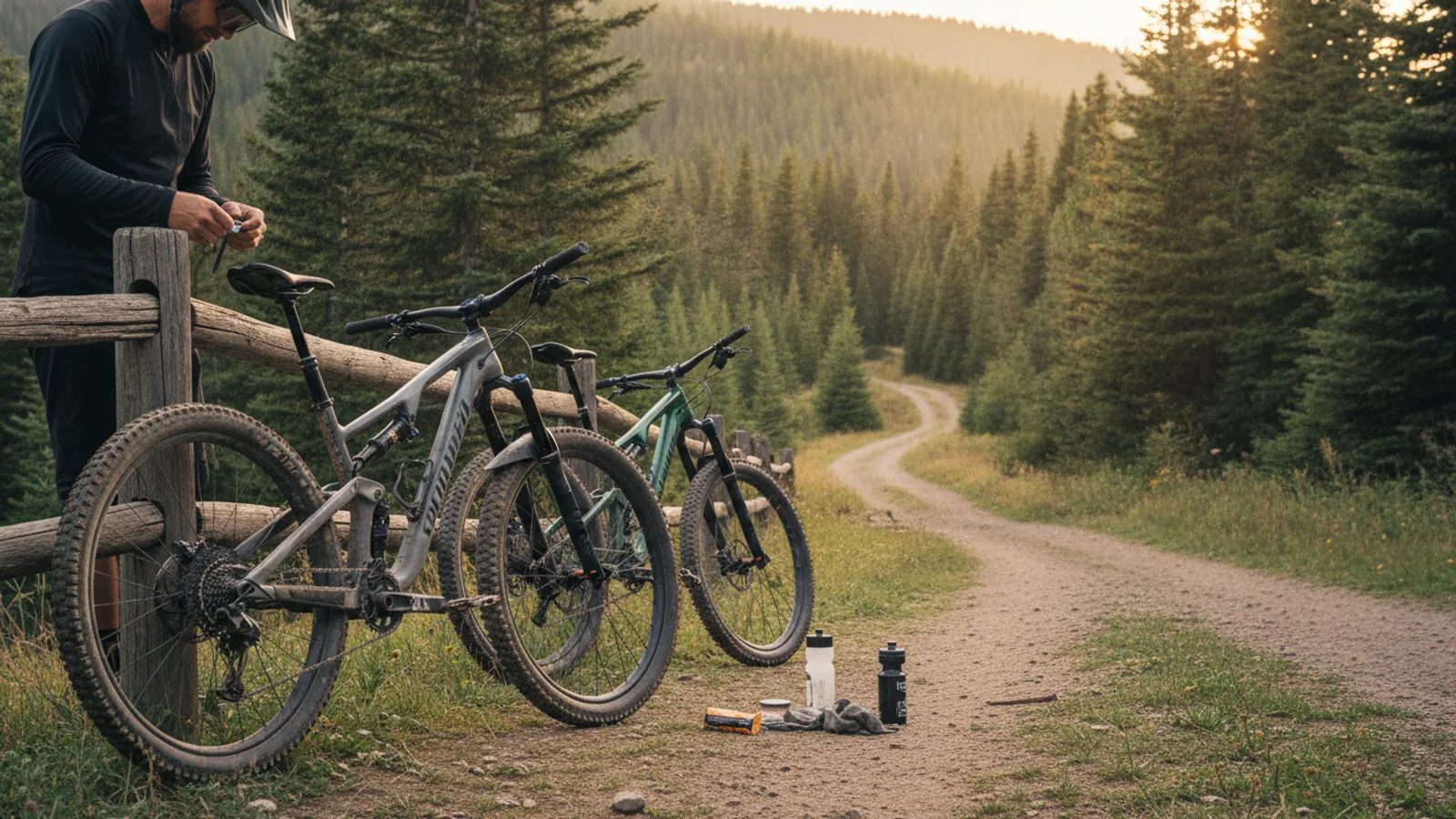
Specialized Mountain Bikes: A Complete Guide to Choosing Your Ride
Navigating the world of Specialized mountain bikes can feel overwhelming. With so many models, technical terms, and price points, choosing the right one is a big decision. This guide breaks down the process into simple, clear steps. We'll help you understand your own needs as a rider, decode Specialized's model lineup, and focus on the features that truly matter, ensuring you find the perfect bike for the trails you ride.
Fast Answer
- Key Action: Match the bike category to your main riding style.
- XC (Epic): For fast, efficient climbing and racing.
- Trail (Stumpjumper): The versatile all-rounder for varied terrain.
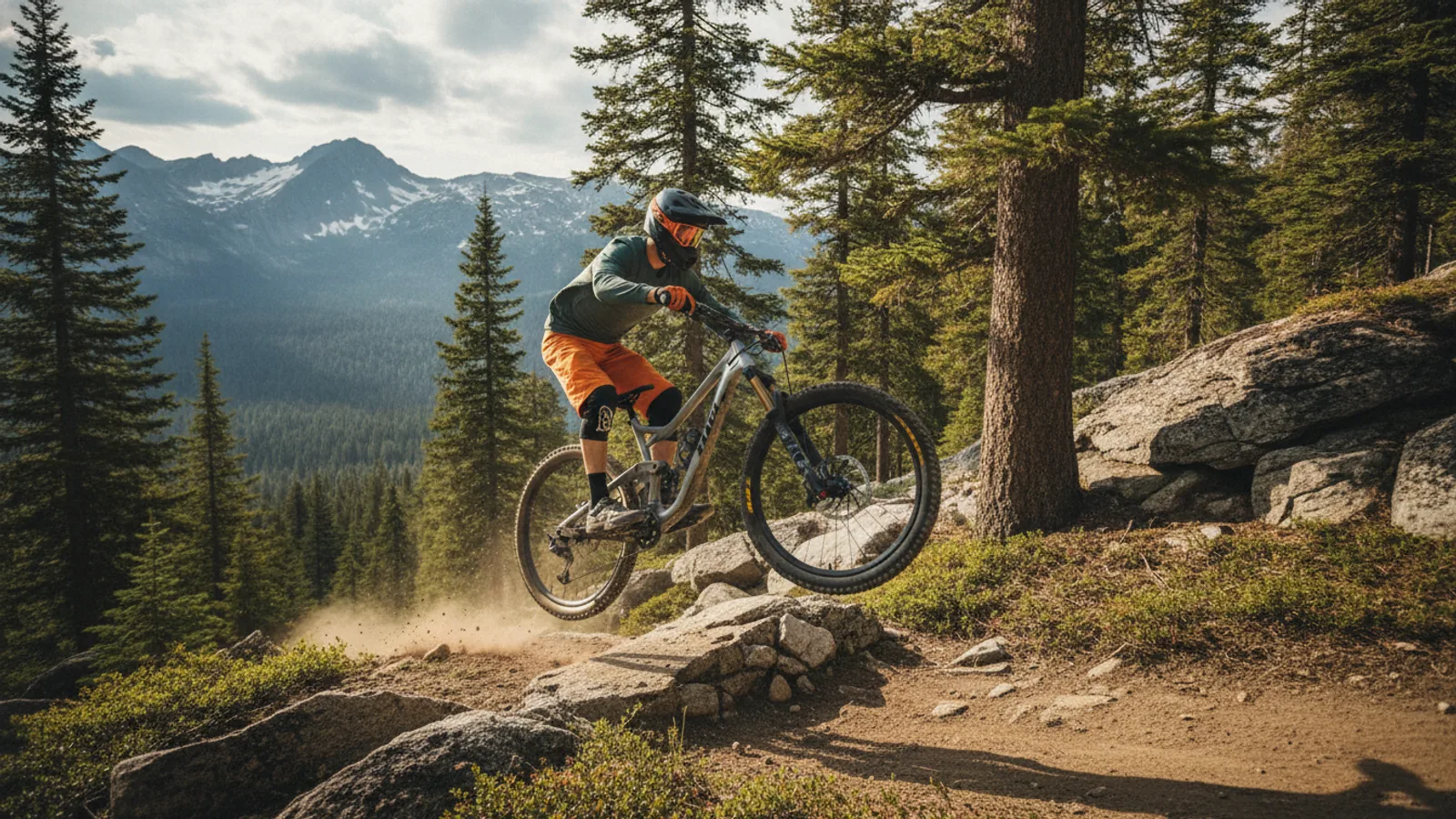
- Enduro (Enduro): For aggressive descending on steep, technical trails.
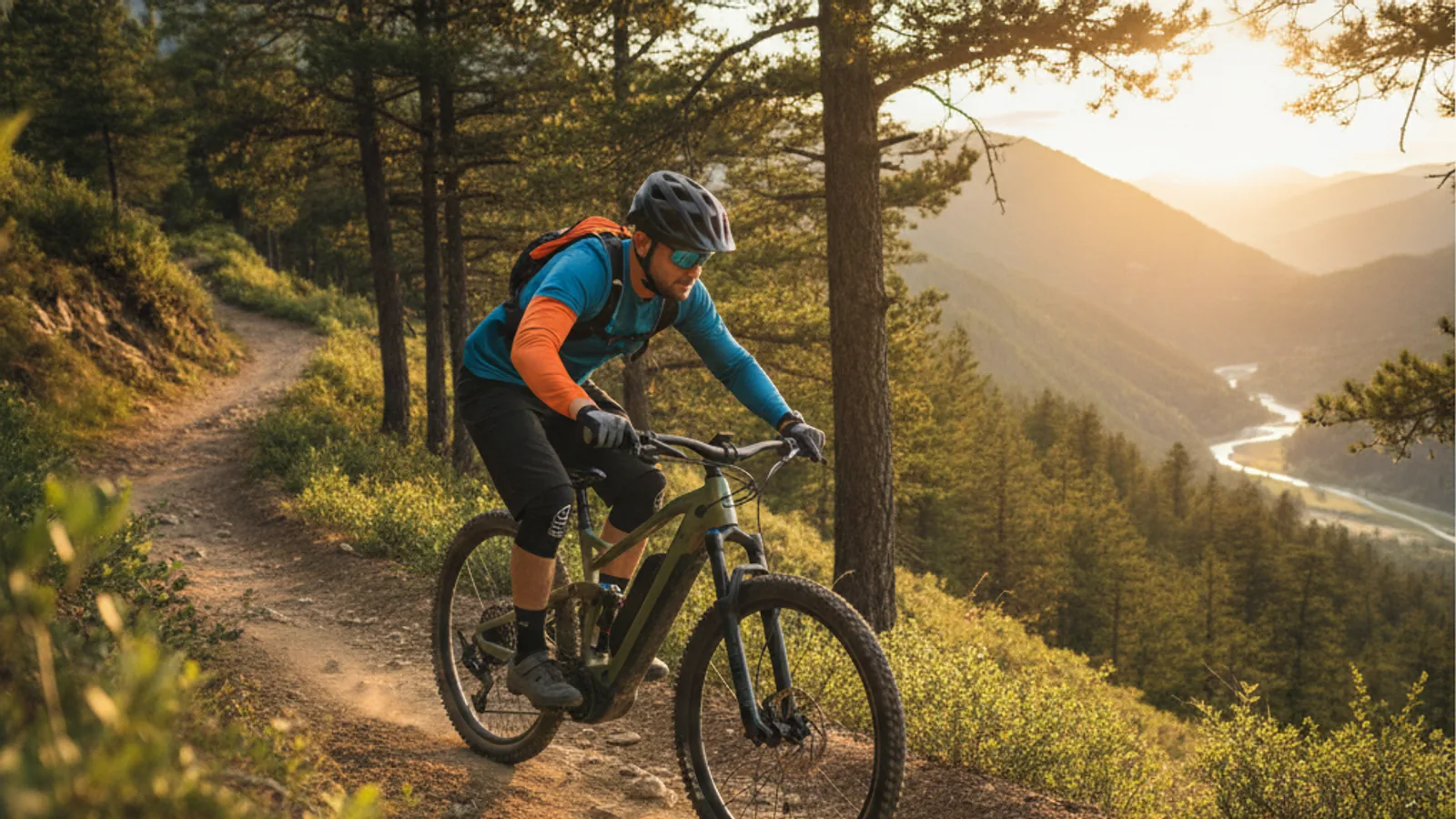
- e-MTB (Turbo Levo): For power-assisted climbing and more laps.
Before You Start Your Search
- Define Your Budget: Decide on a realistic price range you're comfortable with, including essential gear like a helmet and shoes.
- Assess Your Riding Style: Be honest about the type of riding you do most often, not what you wish you did. Are you focused on fitness, fun with friends, or adrenaline-fueled descents?
- Know Your Local Trails: Consider the terrain you'll ride regularly. Is it hilly, flat, smooth, or full of rocks and roots? The bike should match the ground beneath it.
- Basic MTB Terms: Familiarise yourself with concepts like "travel" (the amount of suspension movement), "geometry" (the bike's frame angles), and "drivetrain" (gears and shifters).
Step-by-Step Instructions to Choose Your Specialized MTB
Step 1: Define Your Riding Style and Primary Terrain
Before looking at any specific models, you need to understand yourself as a rider. This is the most crucial step. Ask yourself these questions and write down the answers:
- What is my main goal? Am I riding for fitness and speed (Cross-Country), all-around fun on varied trails (Trail), tackling the most challenging descents (Enduro/Gravity), or exploring further with assistance (e-MTB)?
- What do my local trails look like? Are they mostly smooth, flowing singletrack? Steep, rocky, and technical? Or a mix of everything? A bike designed for the Alps might not be the most enjoyable ride in a flatter local forest.
- Who do I ride with? If your friends are all on lightweight cross-country bikes, a heavy-duty enduro bike will leave you struggling to keep up on the climbs. Match your bike to your riding community for the most enjoyment.
Categorise your riding into one of these main groups: Cross-Country (XC), Trail, Enduro, or Gravity. This decision will narrow your search from dozens of bikes down to just a few relevant models.
Step 2: Set a Realistic Budget
Specialized mountain bikes span a huge price range, from entry-level hardtails to professional-grade race machines. Your budget will determine the frame material (alloy or carbon) and the quality of the components. Be realistic about what you can afford.
Here's a general breakdown of what your money gets you:
- Entry-Level (Comp Models): Typically feature a durable aluminium (alloy) frame and reliable, workhorse components. They are perfect for getting into the sport and offer excellent performance for the price.
- Mid-Range (Expert Models): Often the sweet spot for value. You might get a carbon frame or a high-end alloy frame with significantly upgraded suspension, brakes, and drivetrain components that are lighter and perform better.
- High-End (Pro/S-Works Models): The best of the best. These bikes feature top-of-the-line carbon frames and the lightest, most advanced components available. They offer peak performance but come at a premium price.
Step 3: Understand Specialized's Bike Categories
Once you know your style and budget, you can look at Specialized's specific model families. Each is designed with a particular type of riding in mind. The amount of suspension "travel" is a key indicator of a bike's intended use—more travel means it's built for rougher, steeper terrain.
- Epic & Chisel (Cross-Country): Less suspension travel (around 100-120mm). Designed for climbing speed, efficiency, and sharp handling on smoother trails. The choice for racers and fitness enthusiasts.
- Stumpjumper (Trail): The versatile do-it-all bike. With mid-range travel (around 130-150mm), it climbs well but is also confident and fun on descents. If you ride a bit of everything, this is likely the category for you.
- Enduro & Status (Enduro/Bike Park): Long suspension travel (160mm+). These bikes are built to handle the steepest, most technical descents at high speed. They can still be pedalled uphill, but their main focus is gravity-fueled fun.
- Demo (Downhill): A pure-bred racing machine with the most suspension travel (200mm). Designed only for lift- or shuttle-assisted bike parks and downhill tracks.
- Turbo Levo & Kenevo (e-MTB): These are electric mountain bikes that provide assistance on the climbs, letting you ride further or fit more descents into a day. The Levo is the e-bike equivalent of the Stumpjumper (Trail), while the Kenevo mirrors the Enduro.
Step 4: Choose Your Wheel Size
Modern mountain bikes primarily use two wheel size setups: 29-inch (a "29er") or a mixed-wheel setup called a "Mullet" or "MX" (29-inch front, 27.5-inch rear). Specialized offers many of its models in both configurations.
- 29-inch Wheels: These wheels roll over obstacles more easily and maintain momentum better, making them feel fast and stable. They are a great choice for XC, trail riding, and racing where outright speed is a priority.
- Mullet/MX (Mixed Wheel): This setup aims for the best of both worlds. The large 29" front wheel provides grip and obstacle rollover, while the smaller 27.5" rear wheel allows for quicker cornering, more agility, and better clearance on steep descents. This is very popular on Enduro and e-bikes.
The choice often comes down to personal preference and riding style. If you prioritise stability and speed, a full 29er is excellent. If you want a more playful and nimble feel, consider a mullet setup.
Step 5: Select the Right Frame Material
The frame is the heart of the bike, and Specialized primarily offers two material choices: alloy (aluminium) and carbon fibre.
- Alloy Frames: Specialized's M5 alloy frames are strong, durable, and offer fantastic performance at a more accessible price point. For most riders, an alloy frame is an excellent choice and leaves more budget for better components. The weight penalty over carbon is often minimal.
- Carbon Frames: FACT carbon frames are lighter, can be engineered for more stiffness where needed (for better power transfer) and more compliance elsewhere (for comfort). This results in a higher-performance ride feel, but it comes with a significant increase in cost and requires more care to avoid impact damage.
Step 6: Find Your Perfect Size
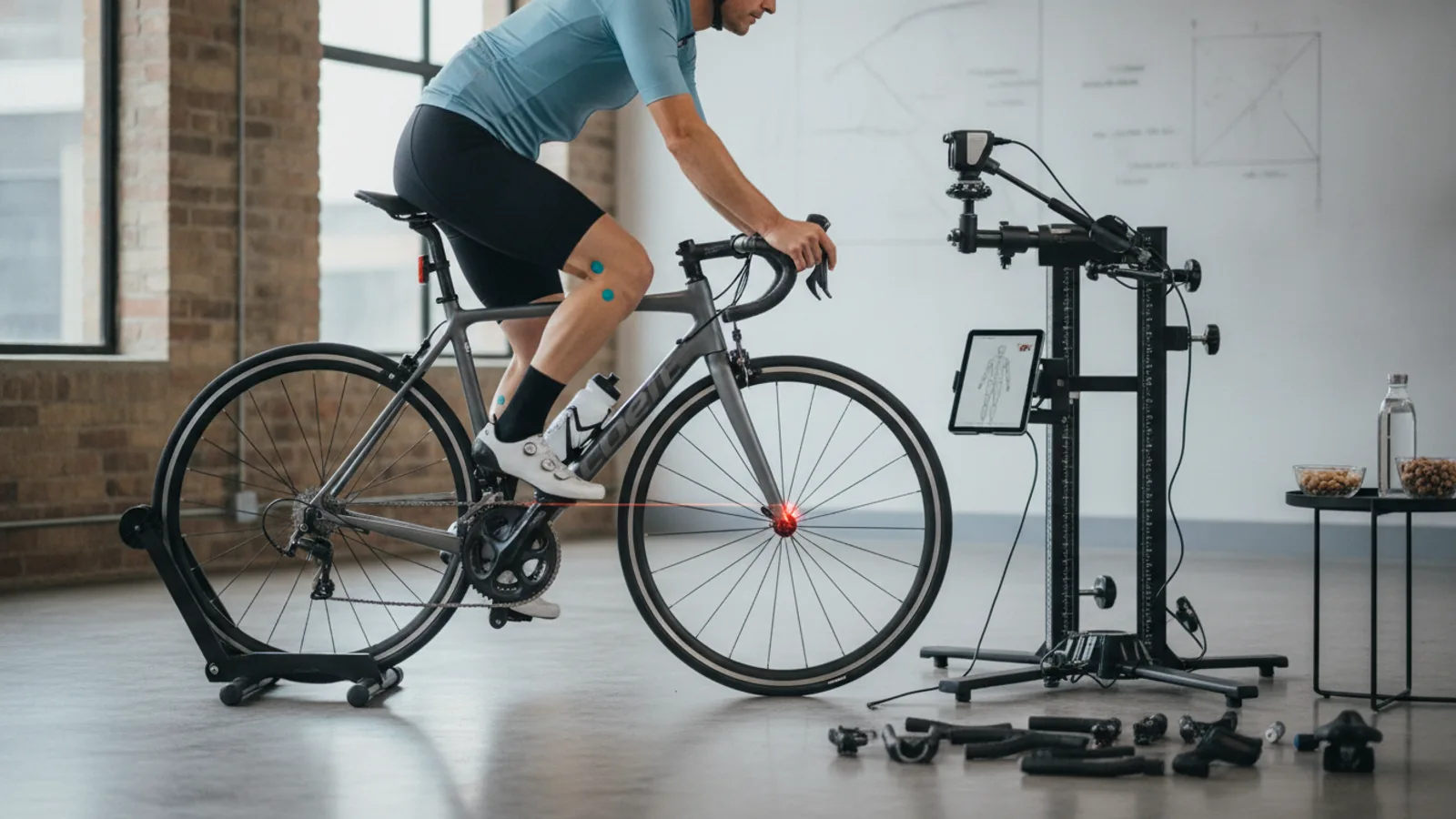
Getting the wrong size bike is a recipe for discomfort and poor handling. Do not skip this step. Specialized provides detailed size charts on their website for every model, based on rider height.
Many Specialized trail and enduro bikes now use their "S-Sizing" system. Instead of traditional Small, Medium, Large sizes, they use S1, S2, S3, etc. This system is based on the bike's "reach" (how long it feels when you're standing up and descending) rather than just your height. It allows riders to choose a size based on their preferred handling characteristics. For example, a rider who fits both an S3 and S4 could choose the S3 for a more nimble, playful bike, or the S4 for a more stable, high-speed ride.
Start with the size chart recommendation, but always try to stand over the bike in a shop. The best-case scenario is a test ride to see how it truly feels.
Step 7: Locate a Dealer and Schedule a Test Ride
You can research online for hours, but nothing replaces actually riding the bike. Once you've narrowed your choice down to one or two models, find your local Specialized dealer and see if they have a demo bike available.
Riding a bike, even just around a car park, will tell you a lot about its fit and feel. If possible, ask the shop if they have a designated demo day or if you can take the bike to a nearby trail. Pay attention to how the bike feels when you're climbing, descending, and cornering. Does the position feel comfortable? Does the handling feel intuitive? This is the final check that confirms you've made the right choice.
Quick Reference: Matching Bike to Trail
| Situation | Recommended Category | Why |
|---|---|---|
| My local trails are mostly smooth with lots of pedalling and long climbs. | XC (Epic, Chisel) | These bikes are light and efficient, making climbs easier and faster. |
| I ride a bit of everything: climbs, descents, technical sections, and smooth flow trails. | Trail (Stumpjumper) | The most versatile category, designed to handle a wide variety of terrain without compromise. |
| I love going downhill fast, hitting jumps, and riding steep, challenging terrain. | Enduro (Enduro, Status) | The long suspension travel and stable geometry provide maximum control and confidence on descents. |
| I want to ride more laps in the time I have, or explore further than my fitness allows. | e-MTB (Turbo Levo) | The motor assistance helps you conquer climbs so you can focus on enjoying the descents. |
Common Problems When Choosing a Specialized Mountain Bike
- Buying "Too Much Bike": It's tempting to buy a long-travel Enduro bike because it looks cool, but if you ride on flatter trails, it will feel slow, heavy, and boring. The long-travel suspension will absorb all the trail feedback and pedalling energy, making the ride less engaging. Fix: Be honest about your local terrain and choose the bike with the appropriate amount of suspension travel.
- Getting the Wrong Size: A bike that's too small will feel cramped and unstable at speed. A bike that's too large will be difficult to handle in tight corners and can cause back or shoulder pain. Fix: Carefully follow the Specialized size guide. If you are between sizes, consult your local dealer and try to test ride both to see which feels better.
- Ignoring a Test Ride: A bike can look perfect on paper, but the feel is what matters. Geometry, suspension feel, and contact points (saddle, grips) are all personal. Fix: Make a test ride a non-negotiable part of your buying process. It's the only way to be 100% sure.
- Forgetting the Total Cost: The price of the bike is just the starting point. Pedals, a helmet, shoes, a water bottle cage, and a repair kit can add up quickly. Fix: Create a full budget that includes the bike and all the essential accessories you'll need to start riding safely.
Advanced Tips for a Deeper Dive
- Look at the Geometry Chart: If you're an experienced rider, pay attention to the geometry figures. A "slacker" head tube angle (a smaller number, e.g., 64 degrees) provides more stability at speed and on steep descents. A "steeper" seat tube angle (a larger number, e.g., 77 degrees) puts you in a more efficient position for climbing.
- Consider a Frame-Up Build: If you have very specific preferences for components, it can sometimes be worthwhile to buy just the frameset and build the bike up with your chosen parts. This offers ultimate customisation but is generally a more expensive and complex option.
- Understand Component Tiers: Within brands like SRAM and Shimano, there are different levels of components (e.g., SRAM SX vs. GX, Shimano Deore vs. XTR). Higher-tier components are generally lighter, more durable, and offer smoother, more precise performance. When comparing two bike models, look closely at the suspension fork, rear shock, and drivetrain.
Specialized Mountain Bikes FAQ
What is the difference between a Stumpjumper and an Enduro?
The Stumpjumper is a "Trail" bike, designed to be a versatile all-rounder that climbs efficiently and descends with confidence. The Enduro is a "big mountain" bike built primarily for descending. It has more suspension travel and a more aggressive geometry, making it more stable on steep, rough terrain but less efficient on climbs.
Is a carbon frame worth the extra cost?
It depends on your priorities and budget. A carbon frame is lighter and can offer a more refined ride feel. However, for most riders, a high-quality alloy frame with better components (suspension, wheels, brakes) will provide a better overall experience than an entry-level carbon frame with basic parts.
What is S-Sizing?
S-Sizing is Specialized's sizing philosophy that de-couples frame size from rider height alone. It focuses on the bike's "reach," allowing riders to choose a size based on their preferred handling style—a shorter size for a more nimble feel or a longer size for more high-speed stability. Your height will still place you in a recommended range (e.g., S3 or S4), but you have the flexibility to choose.
Are Specialized bikes good value for money?
Specialized is a premium brand known for its extensive research and development (R&D), innovative designs (like the FSR suspension platform), and strong dealer support. While they may sometimes be priced higher than direct-to-consumer brands, you are paying for that R&D, quality, and the service of a local bike shop for assembly, fitting, and maintenance.
Final Checklist for Choosing Your Bike
- Assessed Your Riding Style: You have a clear idea of the kind of riding you will do most of the time (XC, Trail, Enduro).
- Set Your Total Budget: You have a firm price range that includes the bike and essential gear.
- Identified the Right Category: You've matched your riding style to a Specialized model family (e.g., Stumpjumper for Trail).
- Checked the Size Chart: You've used the official website to find your recommended frame size.
- Compared Model Specs: You've looked at the Comp, Expert, etc., versions within your budget and chosen the one that best suits you.
- Located a Local Dealer: You know where to go to see the bike in person.
- Scheduled a Test Ride: You have a plan to ride the bike before making your final purchase.